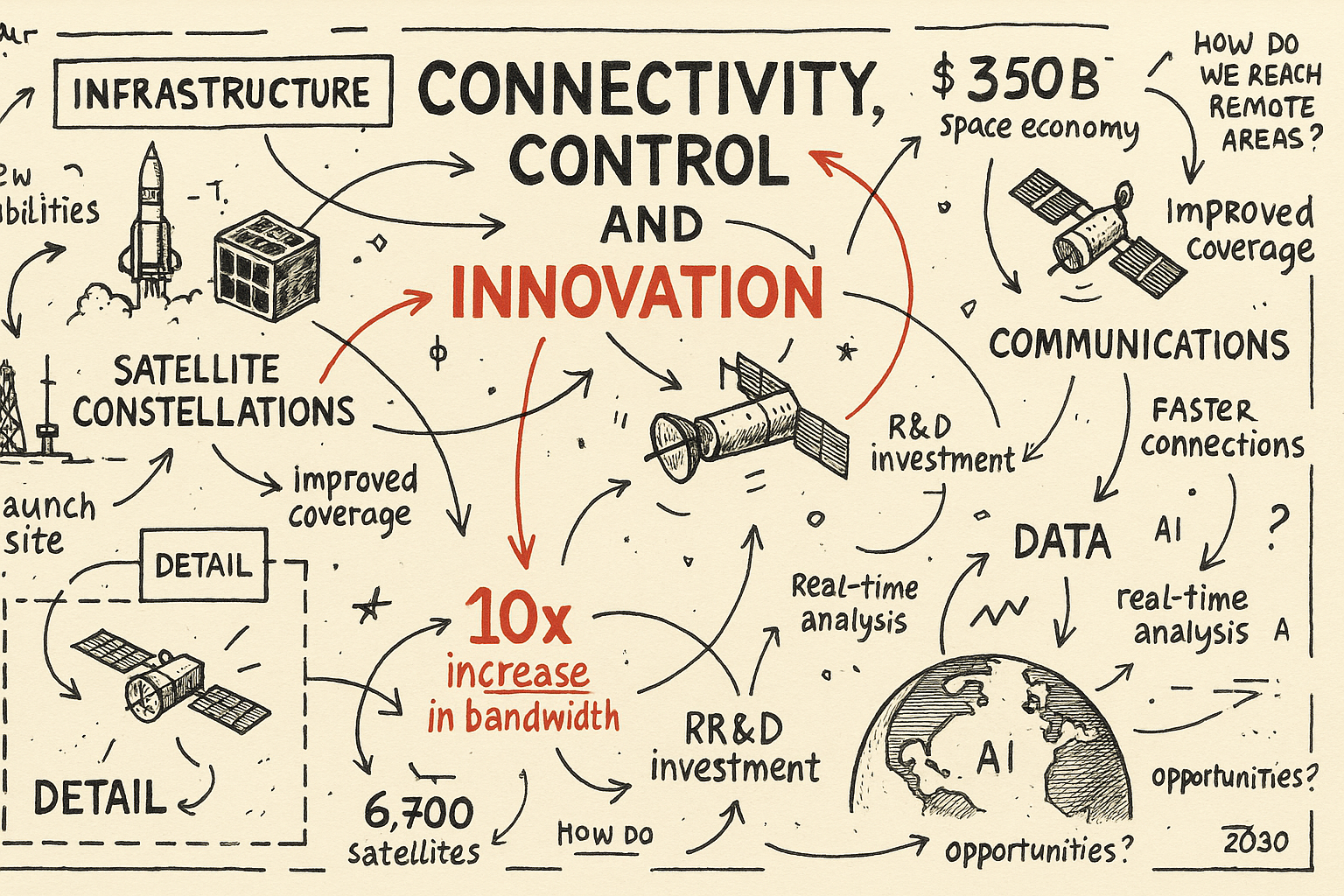
The European Space Agency (ESA) is embarking on a transformative journey to redefine the landscape of space communications. With a record-breaking attendance at the Industry Space Days 2026, ESA is strategically positioning itself at the forefront of the next wave of space-based connectivity. The event, held at ESA's ESTEC technical centre, drew 3100 participants, underscoring the growing interest and investment in Europe's space industry.
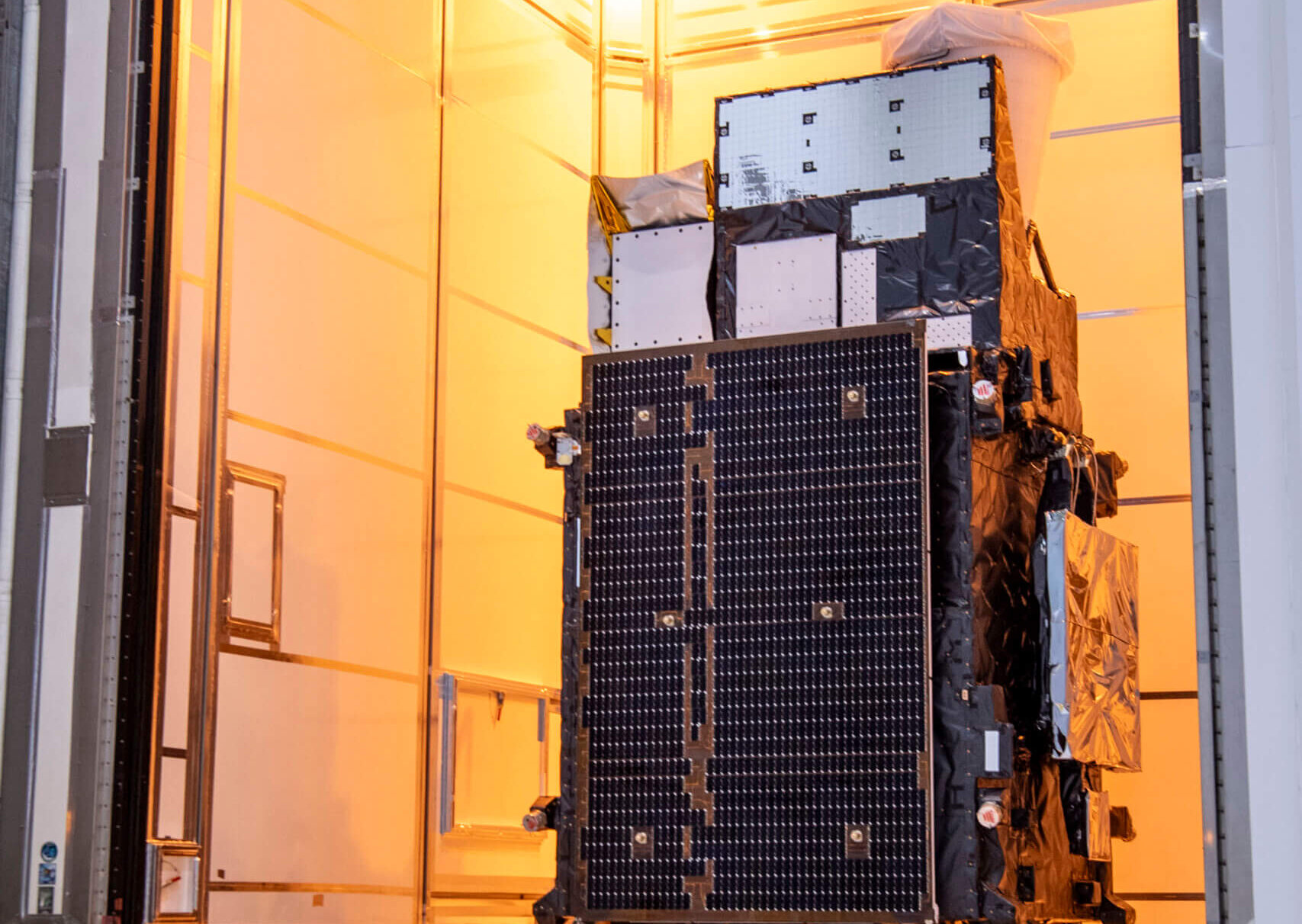
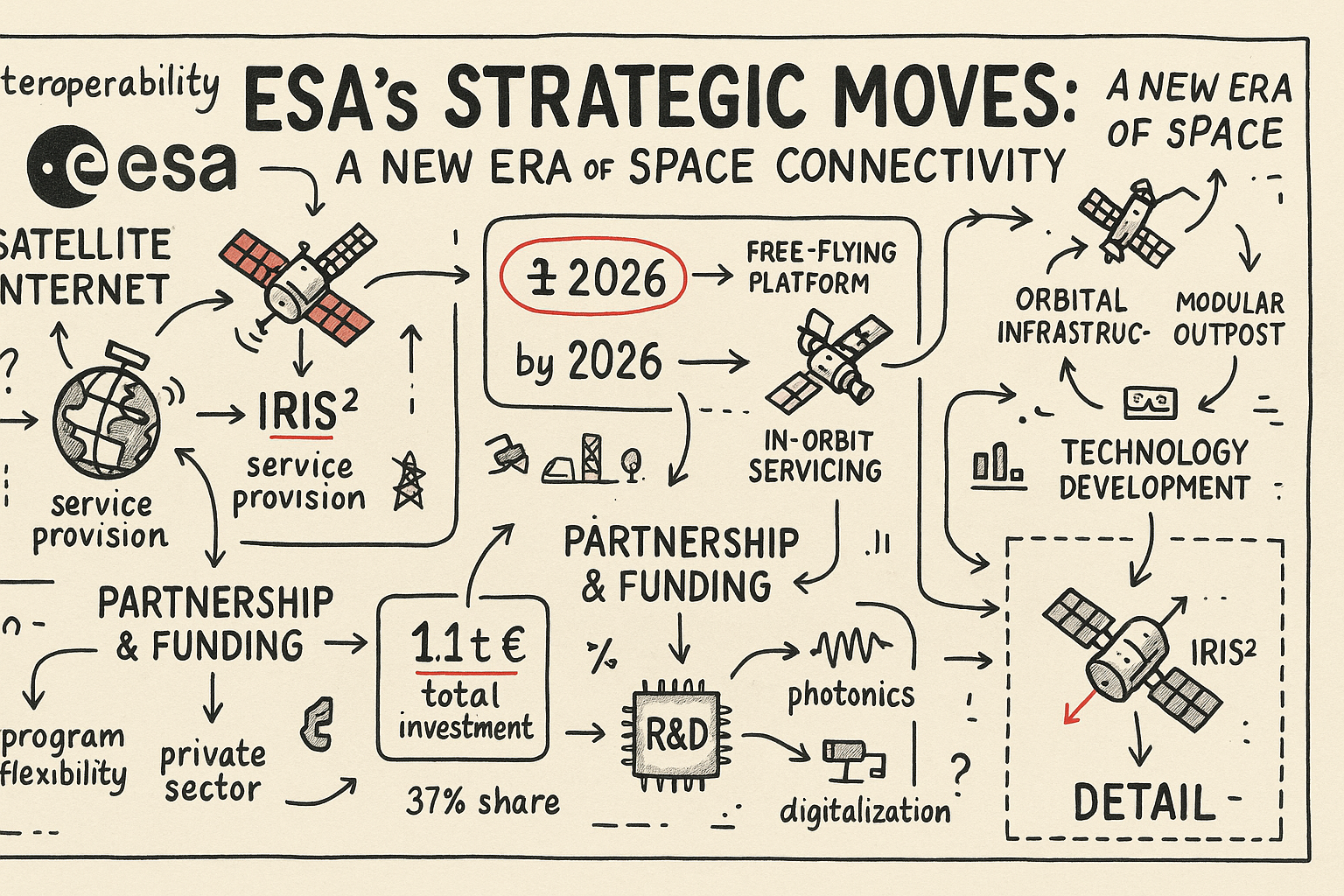
At the heart of this evolution is the IRIS2 program, a secure communications service poised to enhance Europe’s connectivity infrastructure. ESA's recent award of €20 million in contracts to study the future of IRIS2 services is a testament to the agency's commitment to advancing satellite-based secure communications. This initiative brings together nearly 80 companies, fostering collaboration across the European space sector.
Consolidating Europe's Space Connectivity
In parallel, ESA has signed 18 consolidation contracts as part of the next phase of IRIS2 evolution through Low-Earth Orbit (Low-LEO) activities. These contracts aim to develop resilient connectivity services, ensuring that Europeans have access to secure communications when and where they need it most. This marks a significant step in building a robust EU secure connectivity constellation.
These strategic initiatives are not occurring in isolation. ESA's collaboration with various industry partners at the International Space Summit in Paris highlights a concerted effort to strengthen Europe’s position in the global space arena. Italian Space Agency's representation and the signing of industrial agreements further solidify this collaborative approach.
Public Engagement and Cultural Collaboration
In an unexpected twist, ESA has partnered with The Pokémon Company International to engage a broader audience during World Space Week 2026. This collaboration aims to inspire the next generation of space enthusiasts by combining cultural phenomena with scientific exploration. The Europe-wide exhibition and astronaut Pikachu experience are designed to capture public imagination and demonstrate the accessibility of space science.
This cultural partnership reflects a broader trend of space agencies seeking innovative ways to engage with the public, recognizing the importance of fostering a space-conscious society. By bridging the gap between science and popular culture, ESA is cultivating a new era of public involvement in space exploration.
Historical Context and Future Implications
Historically, European space initiatives have often been overshadowed by larger programs from NASA and Russia. However, recent developments signal a shift towards a more autonomous and influential role for Europe in space affairs. With the EU’s commitment to secure communications through initiatives like IRIS2, Europe is setting the stage for a future where it plays a pivotal role in global space policy and technology development.
Looking forward, ESA's strategic investments in space connectivity and public engagement are likely to yield significant dividends. As Europe continues to build its space infrastructure, the implications for global telecommunications, security, and international partnerships are profound. By fostering innovation and collaboration within its borders, Europe is poised to lead in the next frontier of space exploration and connectivity.