Katalyst’s Link returns to Earth after unsuccessful salvage attempt for NASA’s Swift
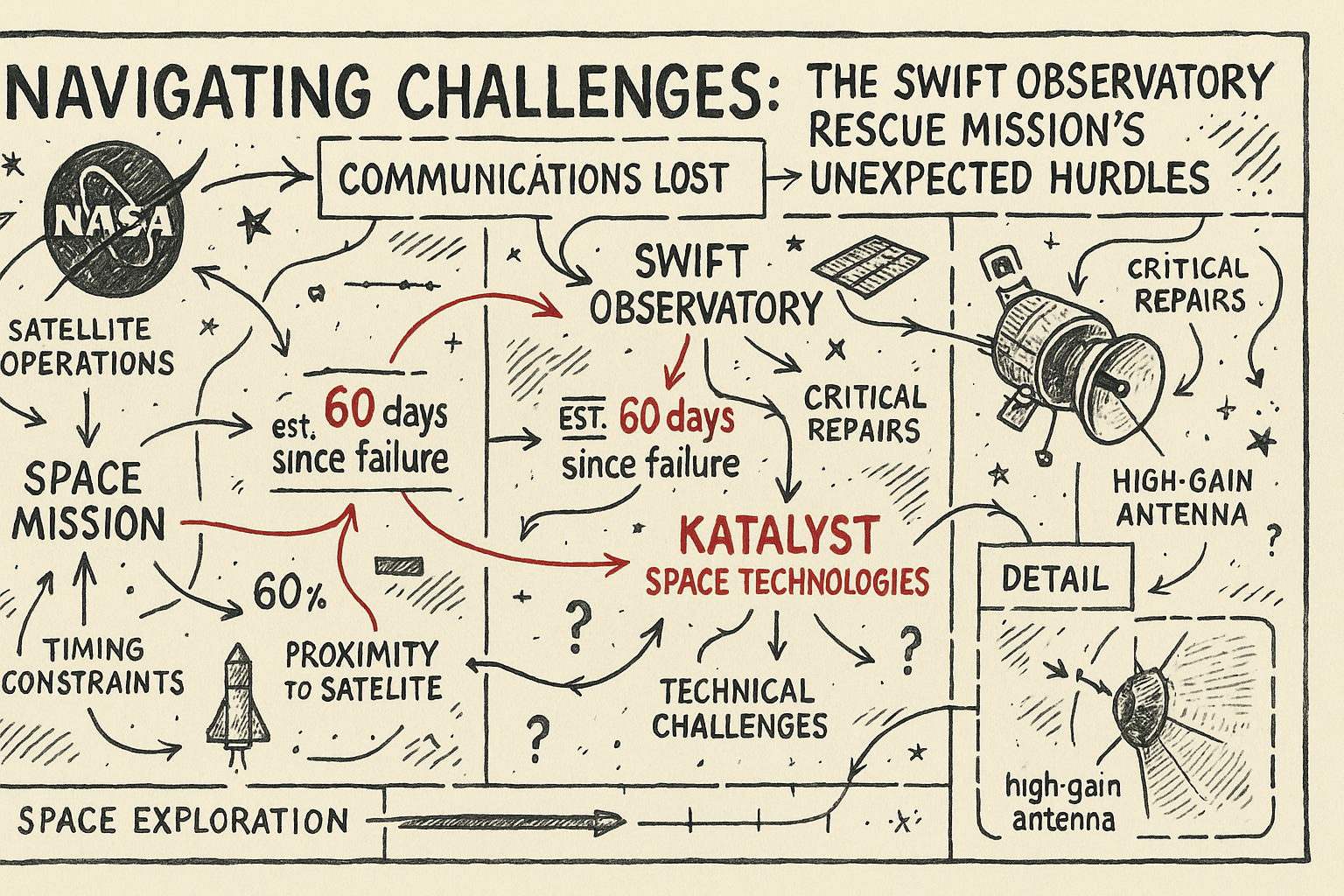
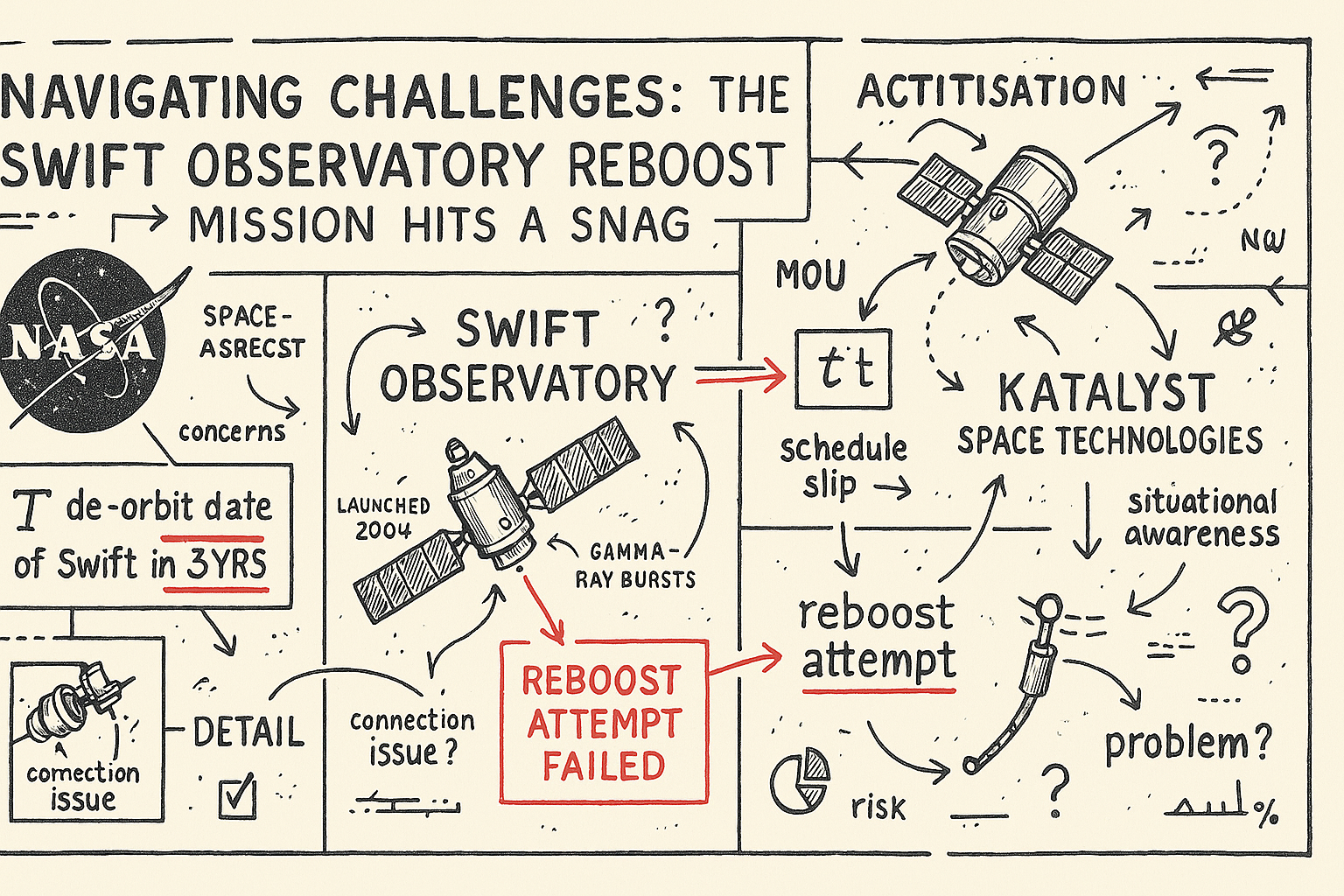
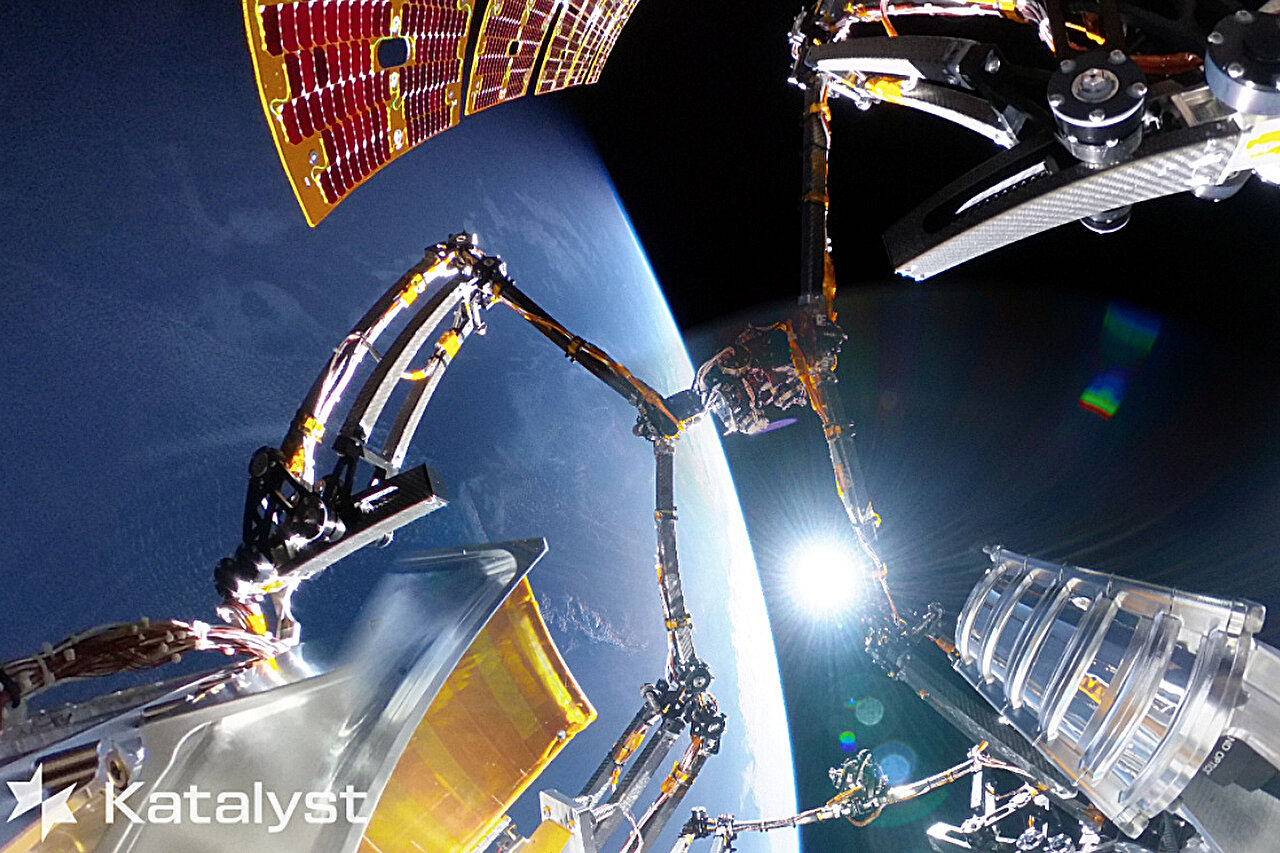
Katalyst Space Technologies announced on 25 September 2026 that its three‑armed robotic spacecraft Link reentered Earth’s atmosphere after 85 days in orbit, bringing to a close a $30 million, NASA‑sponsored effort to save the aging Neil Gehrels Swift Observatory. Launched on 3 July from Kwajalein Atoll, Link reached within 7 to 9 miles (12–15 kilometres) of Swift and photographed the telescope, but a sequence of in‑flight problems left it unable to grapple the observatory and perform the planned orbit boost.
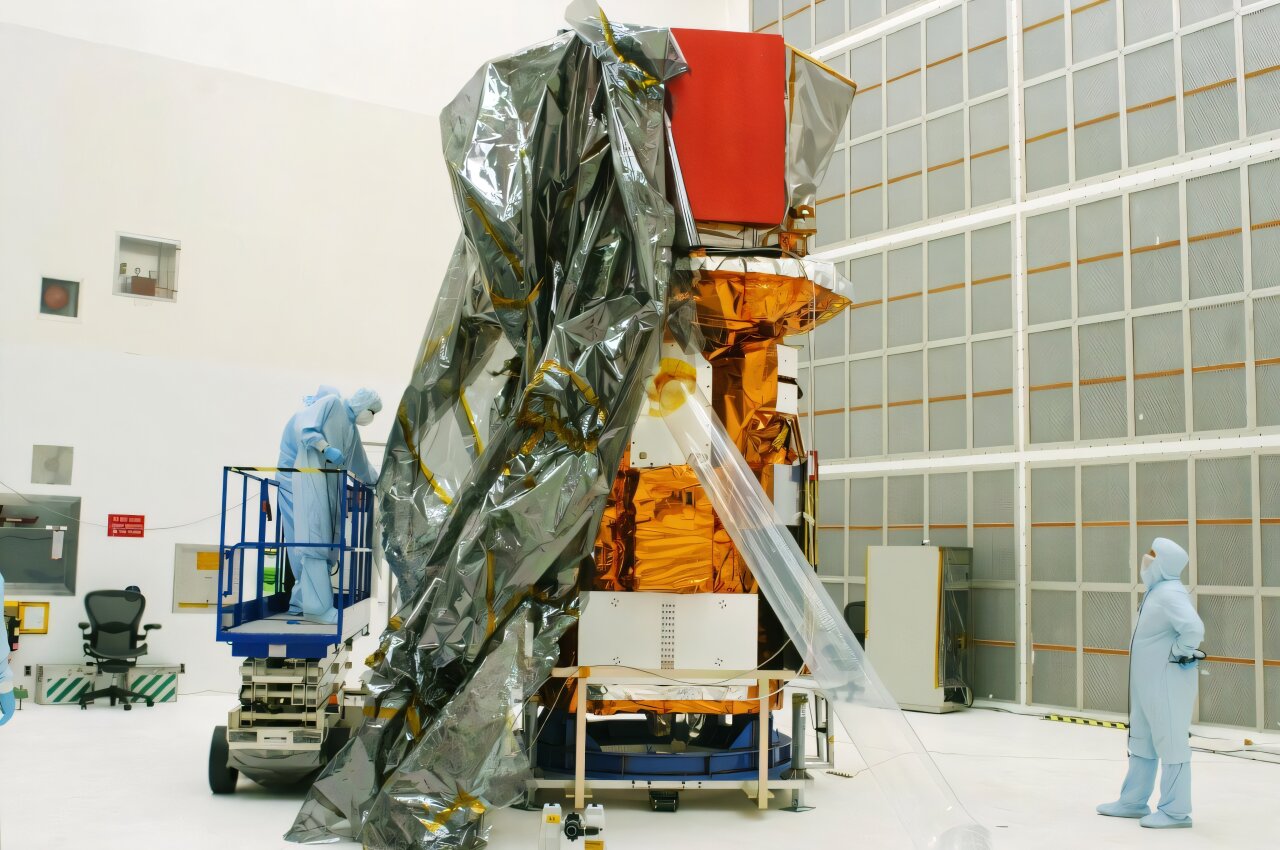
The rescue plan, awarded to the Flagstaff, Arizona company in September 2024, was an aggressive attempt to extend the operational lifetime of Swift, a collaboration between NASA and Penn State University that has observed gamma‑ray bursts and other transient phenomena since its launch in November 2004. Swift’s orbit had been decaying faster than engineers anticipated following increased solar activity; to buy time, NASA suspended observations earlier in 2026 and adjusted Swift’s attitude to reduce atmospheric drag while awaiting help.
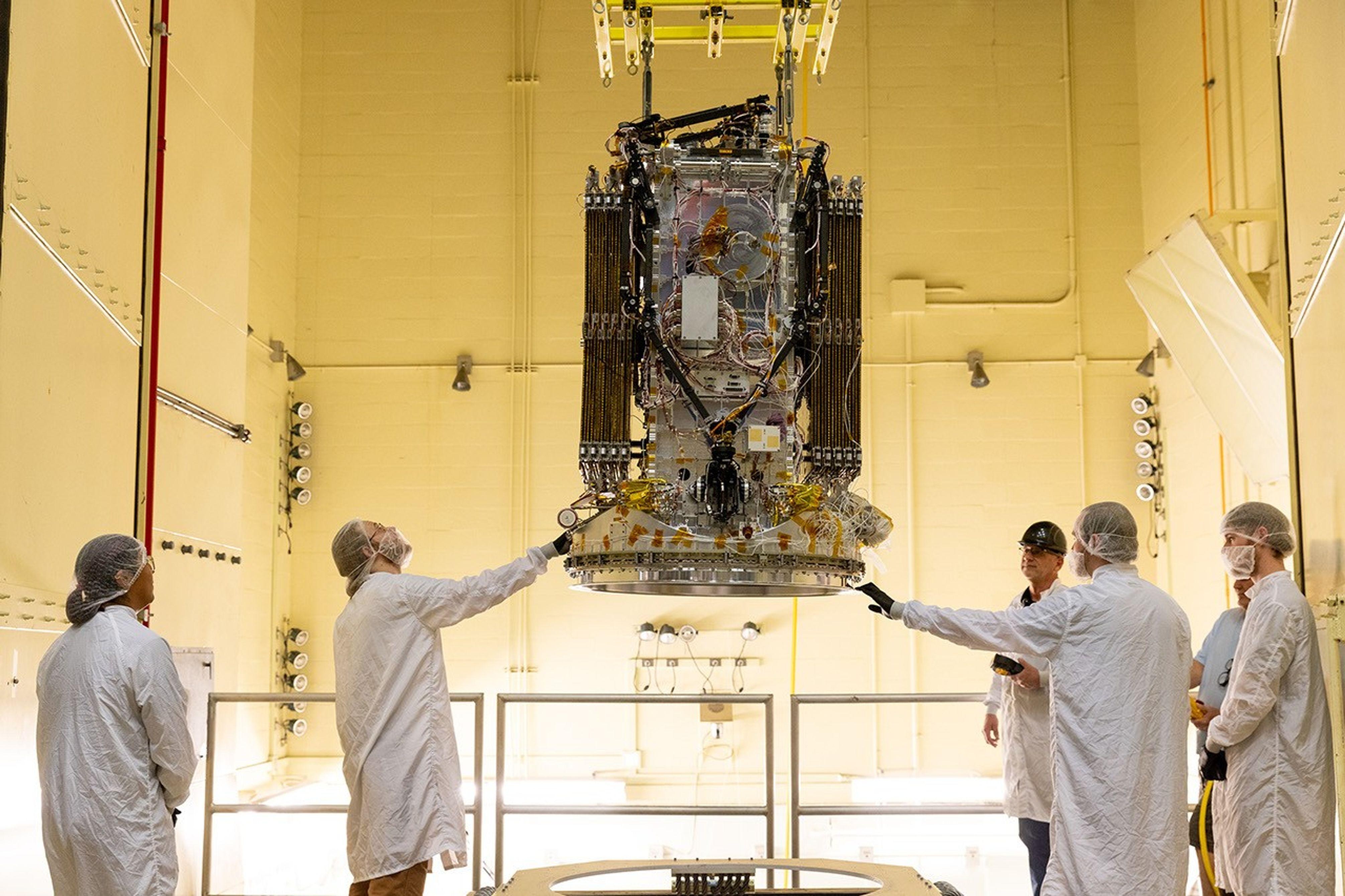
Link was built and prepared inside roughly 22 months to meet the narrow window available before Swift’s descent. According to the accounts released by Katalyst and reported by multiple outlets, the spacecraft suffered electronics and attitude‑control failures shortly after launch. Two of Link’s three reaction wheels failed, impairing its ability to control orientation. A faulty valve later induced a rapid spin that disrupted communications. Although engineers eventually regained control and conserved weeks to practise operating Link’s robotic arms, the vehicle was left with insufficient propellant to complete the capture and lift manoeuvre.
Katalyst said Link’s arms — each about 1 metre long with handlike grippers — were exercised during the remaining mission time. Flight controllers managed to guide Link within 12–15 km of Swift and take images documenting the observatory’s condition. But the combination of reaction‑wheel losses, the valve‑induced tumble and constrained fuel margins prevented the close‑proximity operations required to secure Swift and attach a propulsion module for the planned orbit raise.
NASA officials framed the outcome in terms of risk, learning and capability development. Shawn Domagal‑Goldman, director of NASA’s Astrophysics Division, said in a statement quoted by the reporting outlets that the operation was "high‑risk, high‑reward" and that even in failure the mission advanced US spacecraft servicing technology, tested accelerated timelines and improved operational approaches for on‑orbit servicing. NASA Administrator Jared Isaacman (as cited in reporting) praised the team for moving quickly and taking what he described as smart risks given the potential return.
Katalyst CEO Ghonhee Lee (statement reported in the press coverage) described the mission as ambitious on an aggressive timeline and reaffirmed that the company would apply lessons learned to future servicing efforts. Phys.org noted that the company planned to use the final weeks of the mission to practise robotic arm motions and other proximity operations once the core salvage attempt was determined infeasible.
With Link unable to provide the planned boost, Swift will continue its steady orbital decay and is expected to reenter Earth’s atmosphere in early November 2026. Wired and other contemporaneous reporting noted that, before reentry, Swift had been commanded to restart its instruments to collect final observations, though mission managers had earlier suspended routine science to preserve the satellite while awaiting rescue.
The Link mission represents one of the most rapid efforts to demonstrate commercial on‑orbit servicing on an operational telescope. The contract value — $30 million — and the sub‑two‑year development and launch schedule reflect a strategic experiment in using commercial robotic platforms for life‑extension of valuable national assets. Even in defeat, mission managers and company leaders emphasised that the experience yields practical data on hardware vulnerabilities, contingency procedures for reaction‑wheel and valve anomalies, and human factors in time‑compressed mission execution.
Historically, on‑orbit servicing has been limited and intensive: NASA’s Space Shuttle serviced the Hubble Space Telescope through multiple astronaut EVAs, and more recently agencies and private firms have begun maturing robotic servicing capabilities. Link’s rapid deployment and partial success — approaching Swift close enough to image it and exercising its manipulator suites in orbit — add to a small but growing body of operational experience that industry and agencies can draw on when planning future missions to refuel, repair or deorbit satellites.
Looking ahead, the mission underscores both promise and perils for commercial servicing. The technical issues experienced by Link highlight the fragility of attitude control and the narrow margins for fuel when performing capture and tug operations. At the same time, NASA and Katalyst emphasised that testing these techniques in real‑world conditions is essential to build reliable capabilities. For Swift itself, the end is now scheduled for November, ending 22 years of contributions to time‑domain astronomy. For the nascent servicing sector, the Link flight provides a concentrated set of lessons for designing more resilient platforms and for planning future, less rushed rescue attempts.