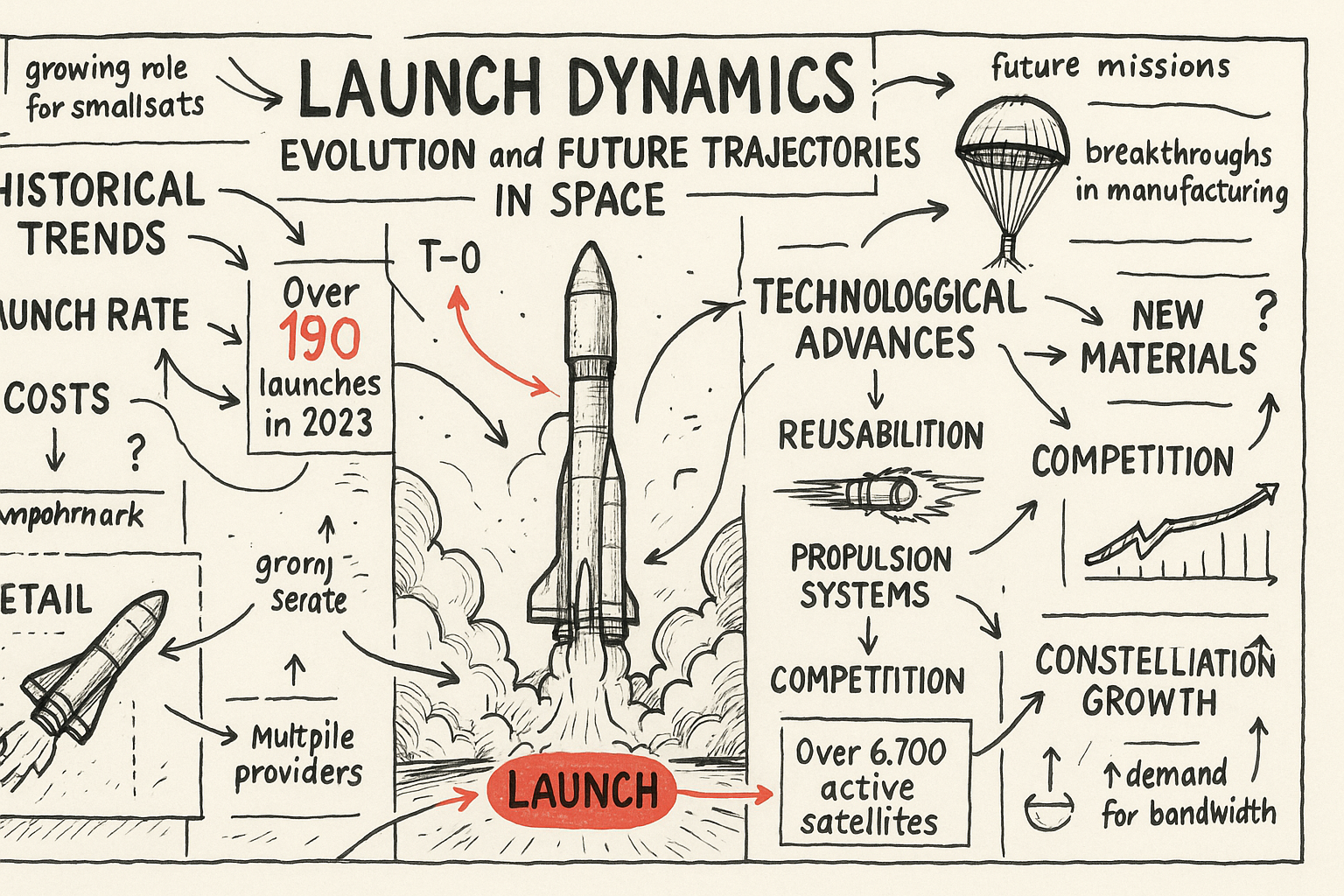
The landscape of space launches is undergoing a transformative evolution, marked by a blend of innovative propulsion technologies, strategic international collaborations, and the relentless pursuit of sustainability. Recent developments across various space programs highlight the multi-faceted dynamics of modern space exploration, from NASA's pioneering propulsion systems to China's aggressive launch cadence.
Revolutionizing Propulsion Systems
NASA's latest endeavor involves a dual-mode propulsion CubeSat, which aims to consolidate maneuvering capabilities traditionally requiring separate systems. This innovation not only promises increased efficiency but also enhances safety by reducing reliance on volatile fuels. Such advancements could redefine spacecraft design, potentially lowering costs and increasing the frequency of missions.
In parallel, French startup Sirius Space's successful test of the STAR-1 rocket engine signifies a leap forward in Europe's competitive presence in the launch industry. With a focus on cost-effectiveness and reliability, these engines aim to support a new wave of commercial launch services, catering to the expanding satellite deployment market.
Reusable Rocket Technologies
As the German Aerospace Center (DLR) progresses with the Callisto reusable rocket demonstrator, slated for its initial 'hop test' in 2027, the potential for reusable technology to drastically cut costs and increase the sustainability of space travel is becoming increasingly tangible. The delay in the test highlights the technical complexities involved but also underscores the commitment to perfecting reusable systems, a field where SpaceX currently leads with its Falcon series.
International Launch Cadence
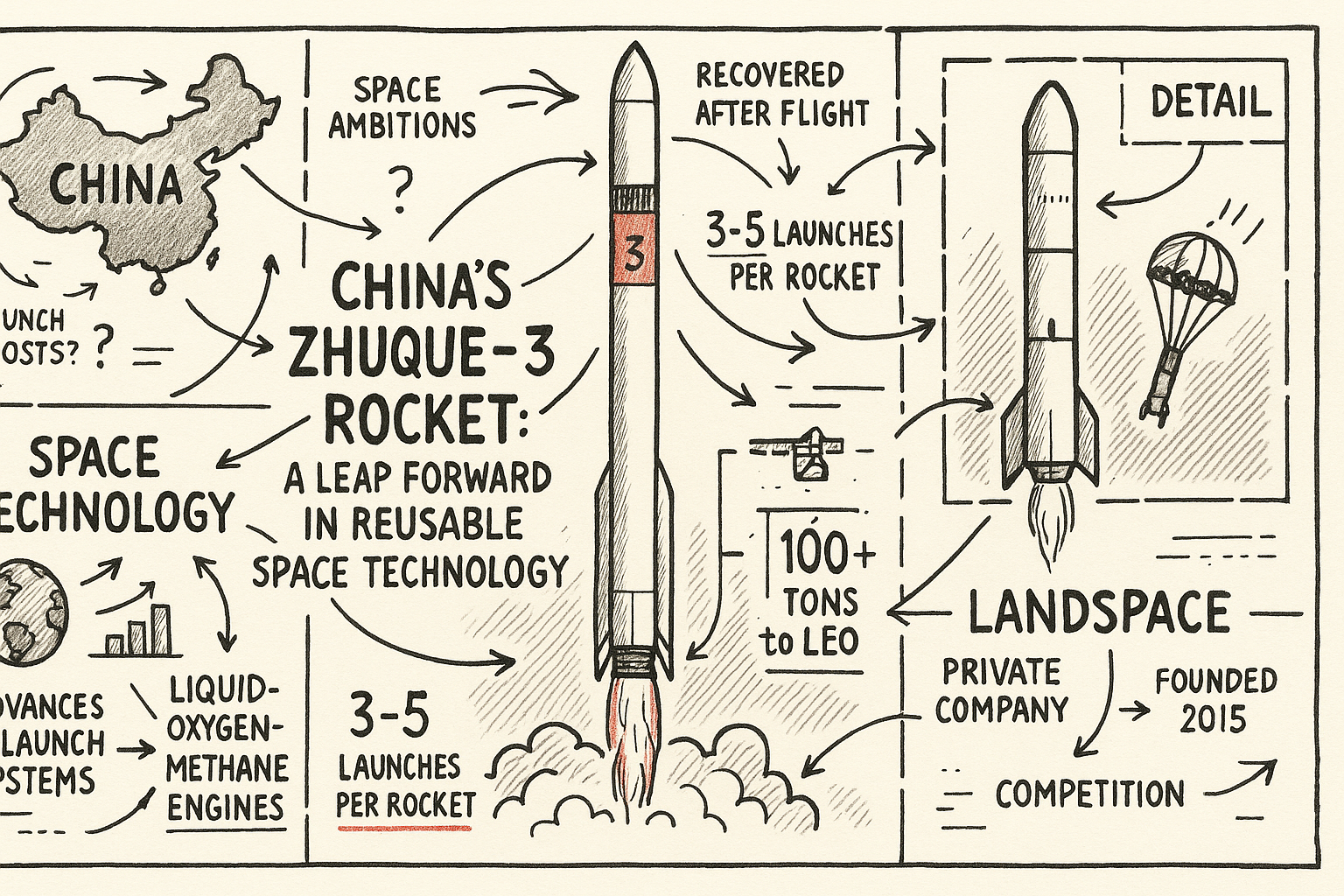
China's recent launch of 13 satellites via Long March 2D and Kinetica-1 missions epitomizes its rapid advancement and strategic assertiveness in space. This aligns with China's broader goals to establish itself as a dominant player in space exploration and commercial space launches. The ability to conduct multiple, diverse missions efficiently demonstrates not only technological prowess but also logistical mastery, a key factor in future space competitiveness.
Meanwhile, NASA and Northrop Grumman's successful Cygnus XL mission to boost the International Space Station's orbit exemplifies the ongoing importance of collaboration in maintaining and utilizing existing space infrastructure. Such missions are pivotal in supporting extended research and technological testing in low Earth orbit.
Strategic Implications and Future Directions
The juxtaposition of these advancements suggests a future where international cooperation and competition coexist, driving rapid innovation and potentially reshaping geopolitical dynamics in space. The integration of advanced propulsion systems and reusable technologies may lower the barrier to entry for aspiring space nations, fostering a more diverse global space community.
Moreover, as commercial entities increasingly participate in space endeavors, the industry may witness a shift in the launch market's economic model, emphasizing sustainable practices and shared technologies. This could lead to increased accessibility for scientific missions, further accelerating our understanding of the cosmos.
In conclusion, the current trajectory of launch technologies and strategies promises a future rich with possibilities. The ability to adapt and innovate will determine not only the success of individual missions but also the broader impact on humanity's reach beyond Earth.