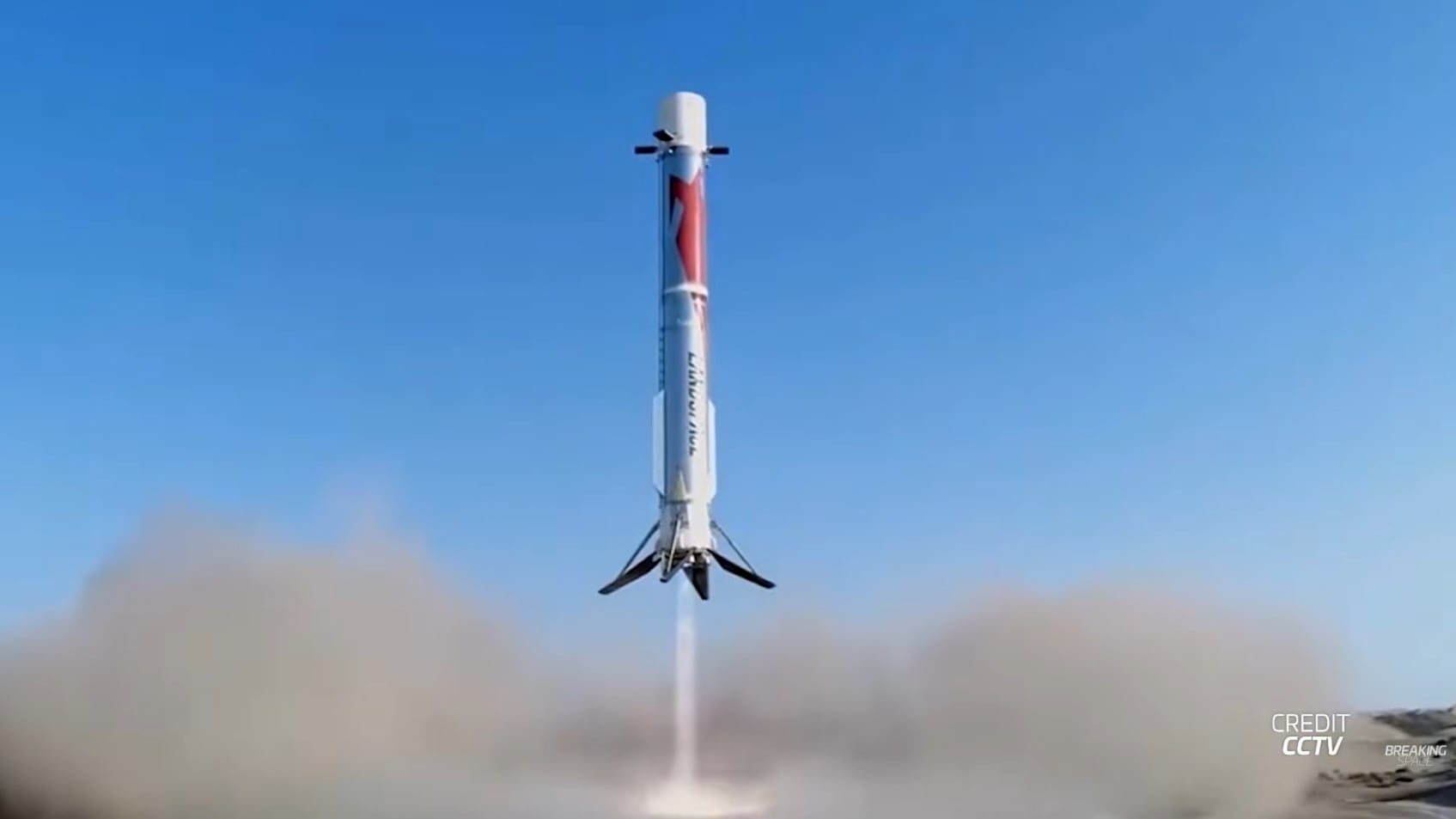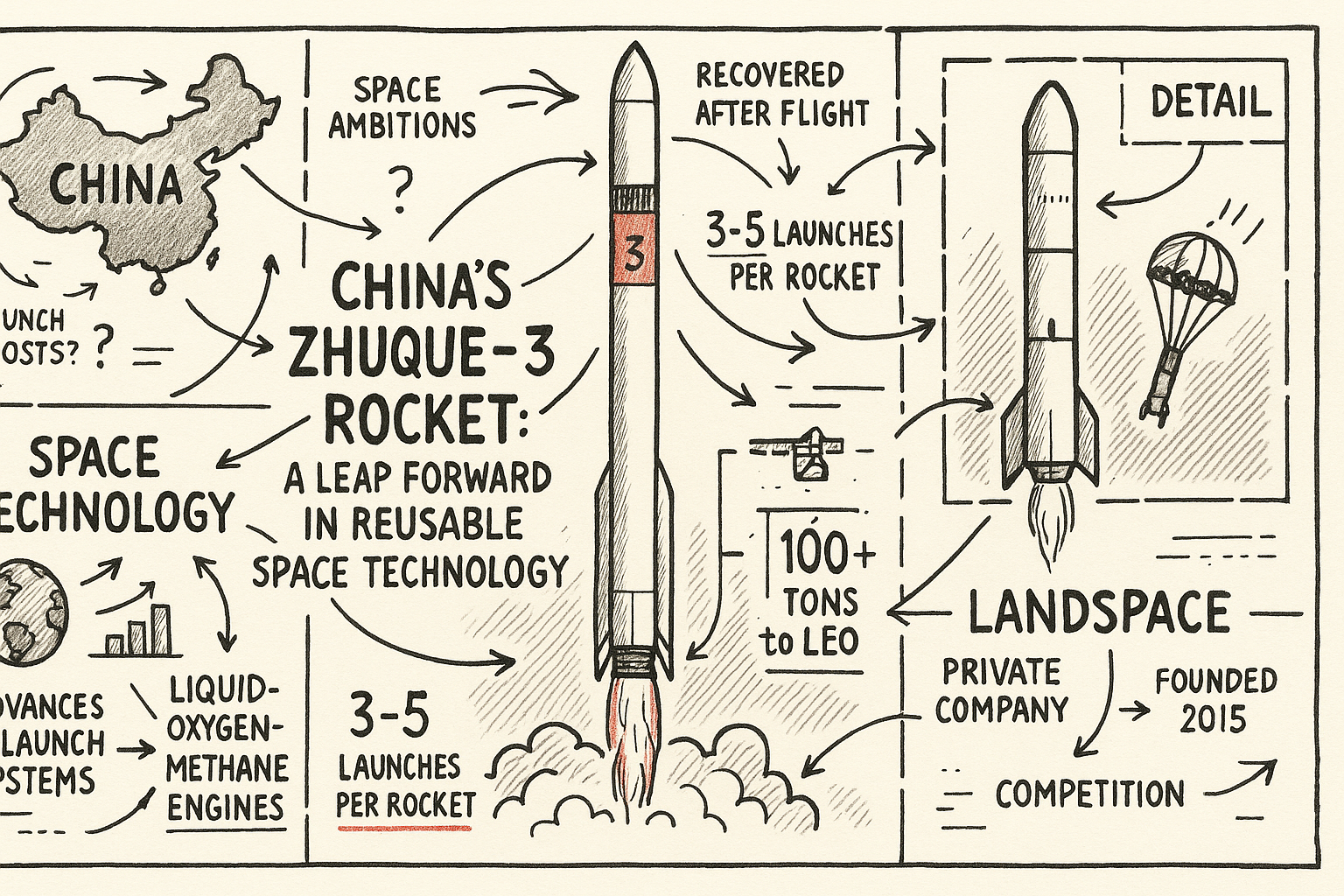
In a groundbreaking achievement, China's Landspace has successfully recovered the first stage of its Zhuque-3 rocket on land, marking a significant milestone in the country's ambitious space program. This achievement not only underscores China's growing capabilities in space technology but also highlights the increasing role of private companies in the nation's space endeavors.
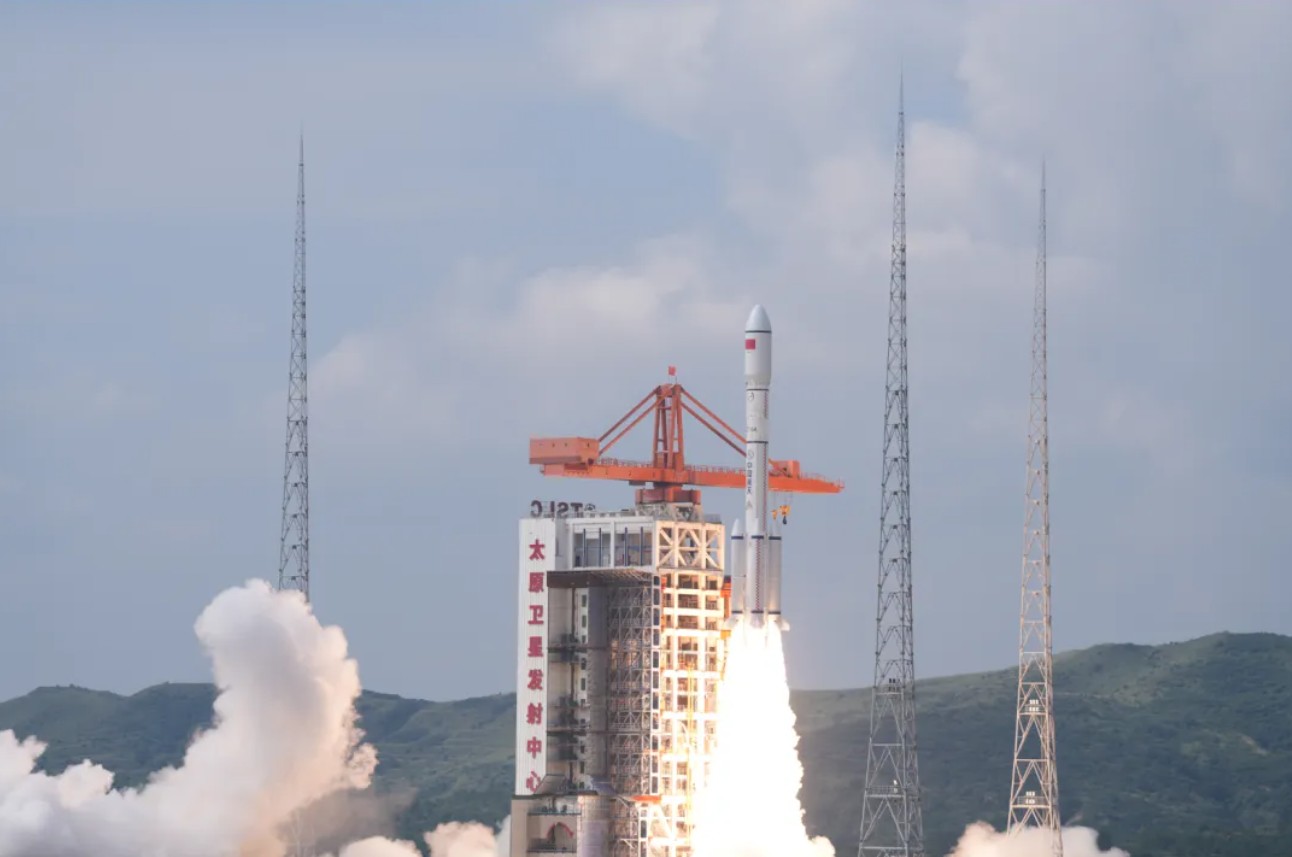
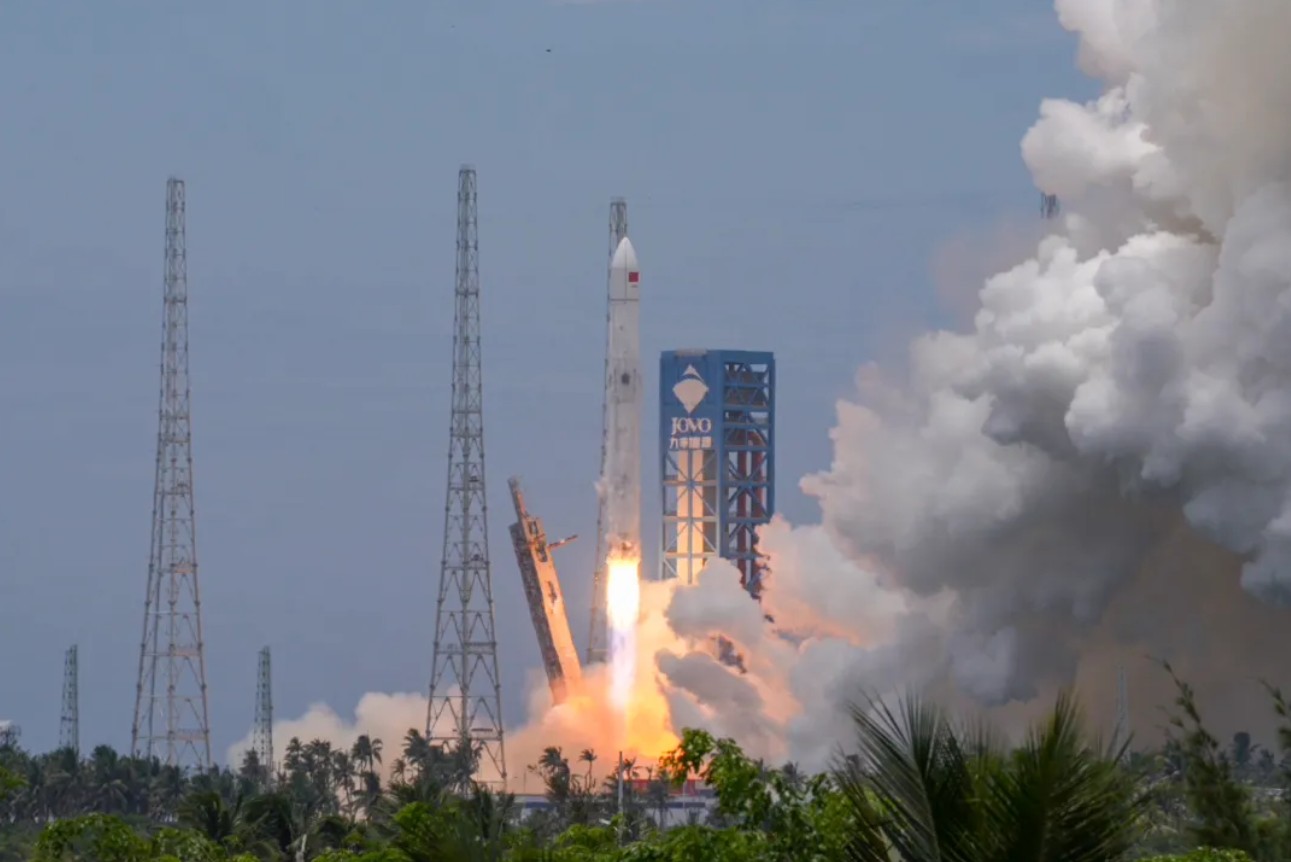
The Zhuque-3 rocket, developed by the private company Landspace, was launched from the Dongfeng Commercial Space Innovation Pilot Zone in northwestern China on August 19, 2026. This mission marked the second launch of the Zhuque-3 rocket, and it successfully placed the Honghu 03 satellite into orbit. The satellite, developed by Hongqing Technology, signifies the collaborative efforts within China's burgeoning commercial space sector.
Technological Breakthrough
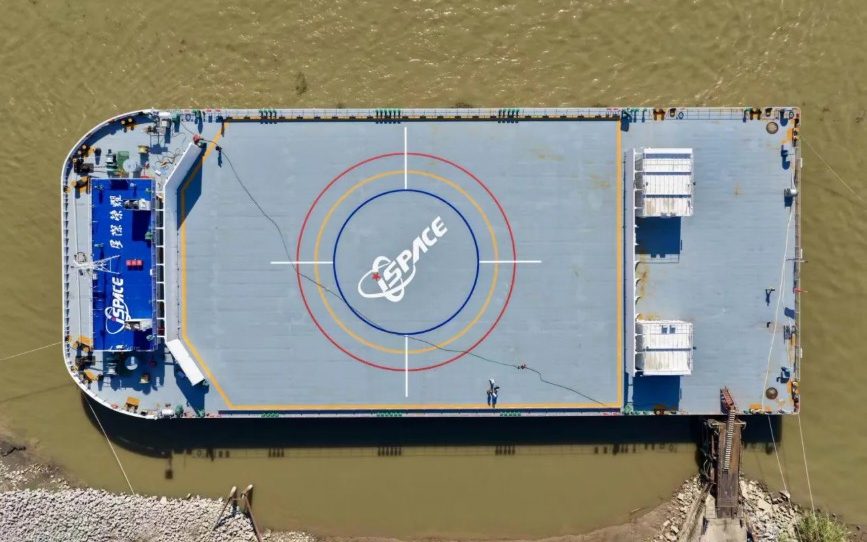
This mission is particularly notable as it represents the first time a Chinese private company has successfully recovered a rocket stage on land following an orbital mission. Previously, China had achieved a sea-based recovery in July, but this land-based recovery is a crucial step forward in the development of reusable rocket technology. The successful recovery of the rocket stage on land is expected to significantly reduce the costs associated with space launches, making space access more economical and sustainable.
The Zhuque-3 rocket's first stage separation occurred approximately 137 seconds after liftoff. While the second stage continued its trajectory to deploy the satellite, the first stage initiated its planned re-entry sequence, culminating in a successful landing. This achievement demonstrates the effectiveness of Landspace's design and engineering capabilities, as well as the potential for future advancements in reusable rocket technology.
Implications for China's Space Program
The successful recovery of the Zhuque-3 rocket stage is a testament to China's commitment to advancing its space program. By achieving land-based recovery, China joins a select group of nations capable of reusing rocket components, a technology pioneered by companies like SpaceX. This capability is expected to pave the way for more frequent and cost-effective launches, enhancing China's competitive edge in the global space industry.
Moreover, this achievement reflects the growing importance of private companies in China's space exploration efforts. Landspace's success highlights the potential for private-public partnerships to drive innovation and expand the country's space capabilities. As China continues to invest in its space infrastructure, the role of private enterprises like Landspace will likely become increasingly significant.
Overall, the successful recovery of the Zhuque-3 rocket stage on land marks a pivotal moment in China's space journey. It not only demonstrates the nation's technological prowess but also sets the stage for future advancements in reusable rocket technology, promising a new era of more sustainable and cost-effective space exploration.