In the ever-evolving landscape of space exploration, Europe is making significant strides, particularly through the Italian Space Agency (ASI). The recent developments underline Italy's strategic positioning in the global space race, marked by its leadership role in various initiatives.
One of the cornerstone events was the 'Notte europea dei ricercatori' in 2026, organized by ASI, which garnered immense public interest. This event highlighted Italy's commitment to lunar exploration, emphasizing the nation's growing expertise and infrastructure in this domain.
Strengthening Infrastructures for Lunar Exploration
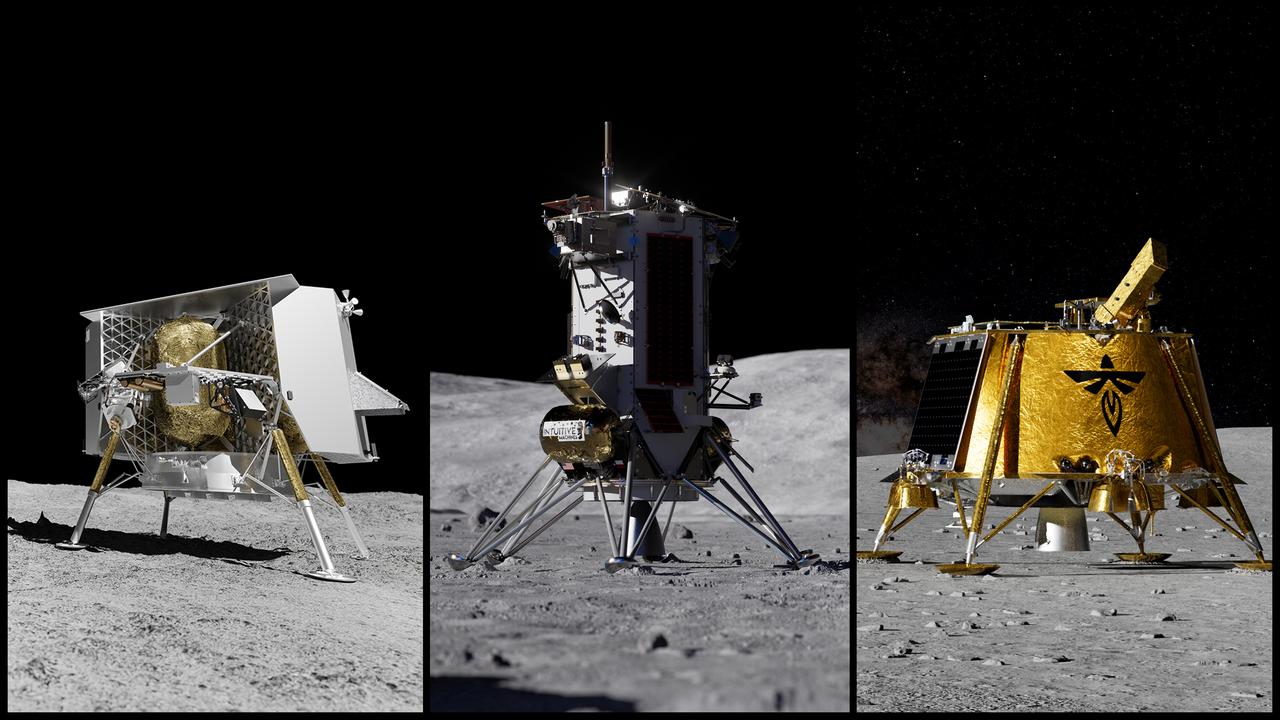
The Earth Moon Mars (EMM) project, funded by Italy's National Recovery and Resilience Plan (PNRR), concluded its activities with a focus on enhancing national competencies and infrastructure. This initiative is pivotal as it aims to support deeper lunar and space exploration. The EMM project has notably advanced the EXOTech Lab, which tackles one of the most pressing challenges: ensuring reliable and sustainable energy on the Moon's surface under extreme conditions.
The EXOTech Lab's development of a thermal energy storage demonstrator showcases Italy's commitment to addressing these challenges head-on. By investing in infrastructure that supports extraterrestrial exploration, Italy is setting a benchmark for innovative solutions in the sustainability of space missions.
Italy's Leadership in International Space Policy
Adding to its accomplishments, Italy's leadership has been reaffirmed with its Chairmanship of the United Nations Committee for the Peaceful Uses of Outer Space (COPUOS). This appointment underscores Italy's growing influence in shaping international space policy, ensuring that exploration remains peaceful and cooperative.
Ambassador Mario Cospito, the chair, is expected to guide discussions around sustainable space exploration and utilization, fostering international collaboration. This leadership role is a testament to Italy's diplomatic and strategic prowess in the space sector.
European Collaborations and Technological Advancements
The launch of two European Earth-observing satellites from South America marks another milestone in Europe's space journey. These satellites, deployed via the Vega rocket, are crucial for Earth observation, providing data that enhances our understanding of climate dynamics and environmental changes. Europe’s capability to launch such missions from diverse locations reflects its growing autonomy and strategic planning in space capabilities.
Interestingly, these developments reveal a counterintuitive insight: while space exploration often conjures images of competition, the reality is a complex web of collaboration and shared goals. Italy, by strengthening its domestic capabilities and taking on leadership roles internationally, exemplifies how nations can simultaneously compete and cooperate in space.
Looking ahead, Italy's strategic investments and leadership roles indicate a future where it will continue to play a significant role in both European and global space exploration initiatives. As space exploration becomes more collaborative, Italy’s initiatives in lunar exploration and its influence in space policy are likely to inspire other nations to adopt similar balanced approaches.
Moreover, the focus on sustainable technologies for lunar missions may have broader implications for terrestrial applications. The innovations developed for space exploration could potentially lead to advancements in energy storage and sustainability technologies on Earth.
In summary, Italy's recent endeavors in space exploration highlight a significant shift in the European space narrative. With its leadership in international policy, advancements in lunar exploration technologies, and strategic collaborations, Italy is poised to shape the future of space exploration.