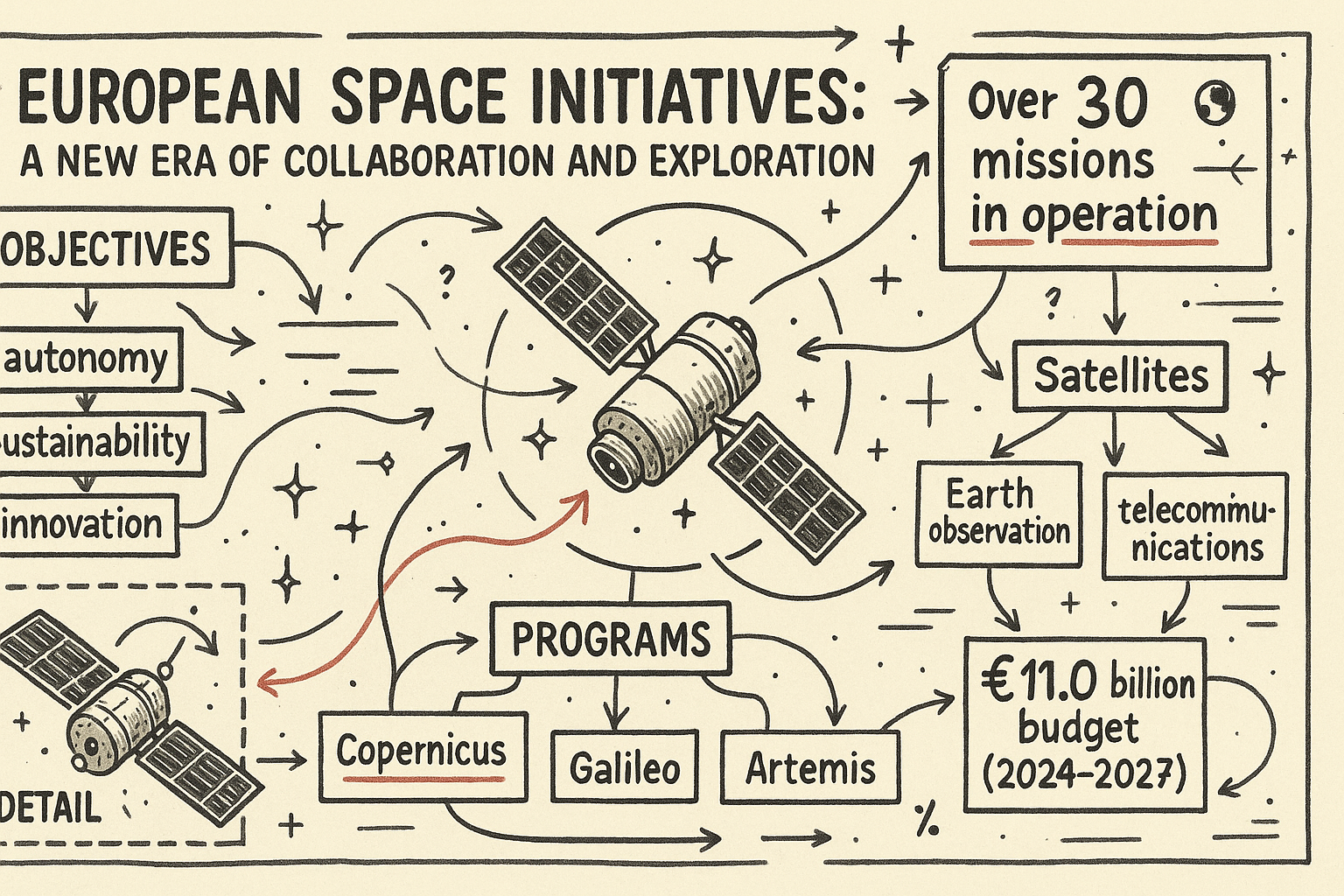
In recent years, the European space sector has been quietly orchestrating a symphony of initiatives that signal a transformative era in both collaboration and exploration. From the deployment of satellites to pave the way for enhanced surveillance and communication, to the bold ambition of intercepting pristine comets, Europe's space ambitions are a testament to its growing influence and strategic foresight.
Rideshare Missions: Democratizing Space Access
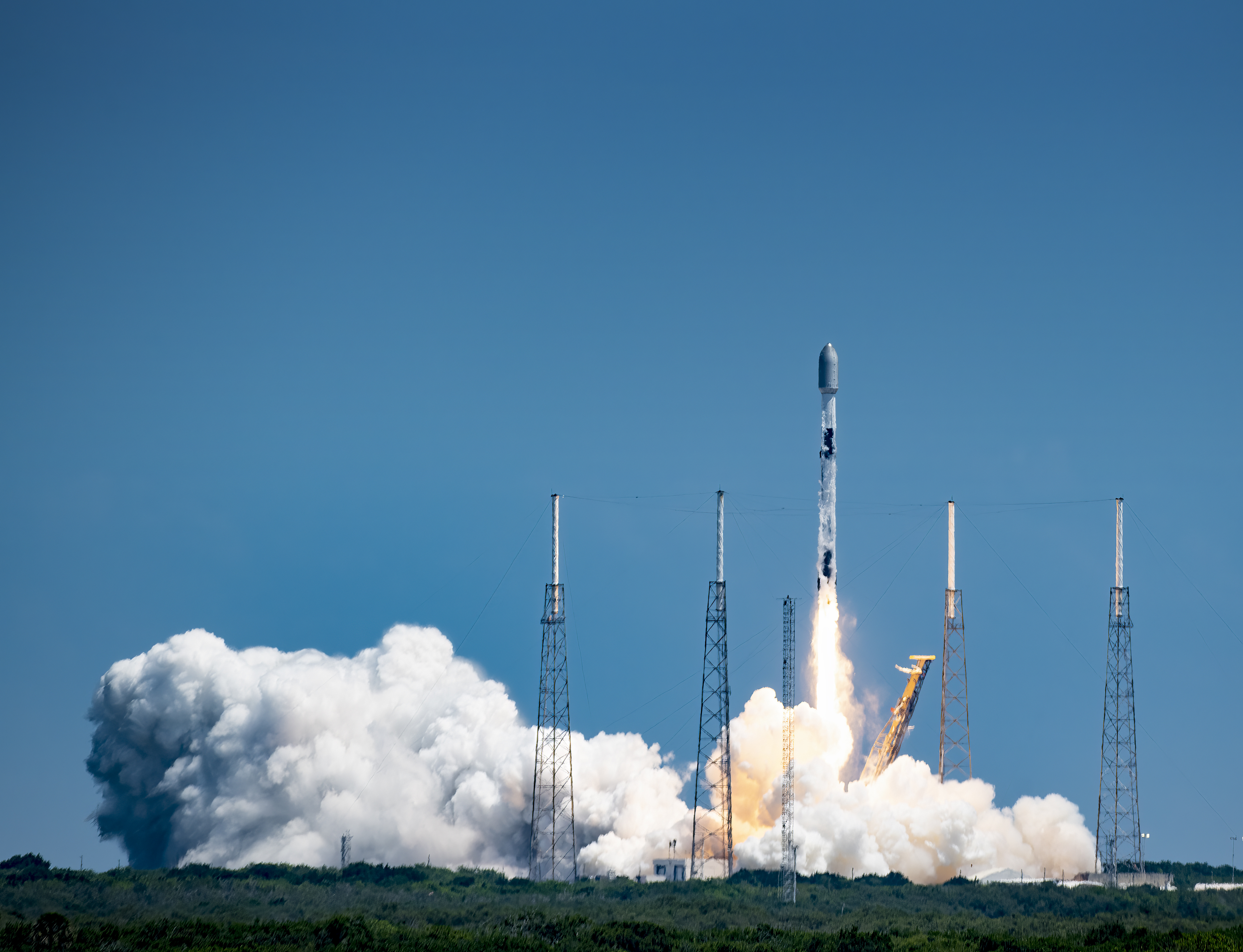
The launch of SpaceX's Transporter-18 mission on October 1, 2026, marked a significant milestone in the democratization of space. This mission, which included the deployment of over 100 satellites, highlights the burgeoning trend of rideshare missions. Among these were the IRIDE Italian satellites and Google's AI-driven TPUs, which underscore the growing intersection of artificial intelligence and space technology. Rideshare missions not only reduce costs but also exemplify a collaborative model that enables smaller entities to access space, fostering innovation across the globe.
Comet Interceptor: A Leap into the Unknown
The European Space Agency (ESA), in collaboration with the Japan Aerospace Exploration Agency (JAXA), is set to launch the Comet Interceptor mission between 2028 and 2029. This mission aims to study a pristine comet, offering insights into the early solar system. The strategy of positioning the probe in space until a suitable target is identified is a testament to the adaptive and agile approach needed for deep space exploration. Such missions not only enhance our understanding of cosmic origins but also prepare humanity for potential asteroid threats.
JUICE: Navigating Celestial Mechanics
Meanwhile, the Jupiter Icy Moons Explorer (JUICE) mission is making strategic use of gravitational assists, with a recent flyby near Earth. This technique, which leverages planetary gravity to alter a spacecraft's trajectory and speed, is a crucial component of modern space navigation. As JUICE prepares for its journey to Jupiter, it symbolizes Europe's commitment to exploring the outer planets and their moons, potentially unraveling the mysteries of extraterrestrial oceans.
Military Surveillance and Strategic Autonomy
The launch of the first satellite by Argotec and Rheinmetall Italia for military surveillance marks a shift towards strategic autonomy in European defense capabilities. As space becomes an increasingly contested domain, the integration of space assets into military infrastructure is pivotal for national security. This initiative reflects Europe's broader strategy to reduce dependency on non-European systems, thereby enhancing its geopolitical standing.
Future Station: A Vision for European Presence
In a bid to cement its presence in low Earth orbit, the ESA has commissioned Airbus and OHB to conduct feasibility studies for a European space station. This initiative, if realized, would propel Europe into a leadership role in orbital research and habitation. A European station would serve as a hub for scientific research, industrial applications, and international collaboration, potentially rivaling existing platforms like the International Space Station (ISS).
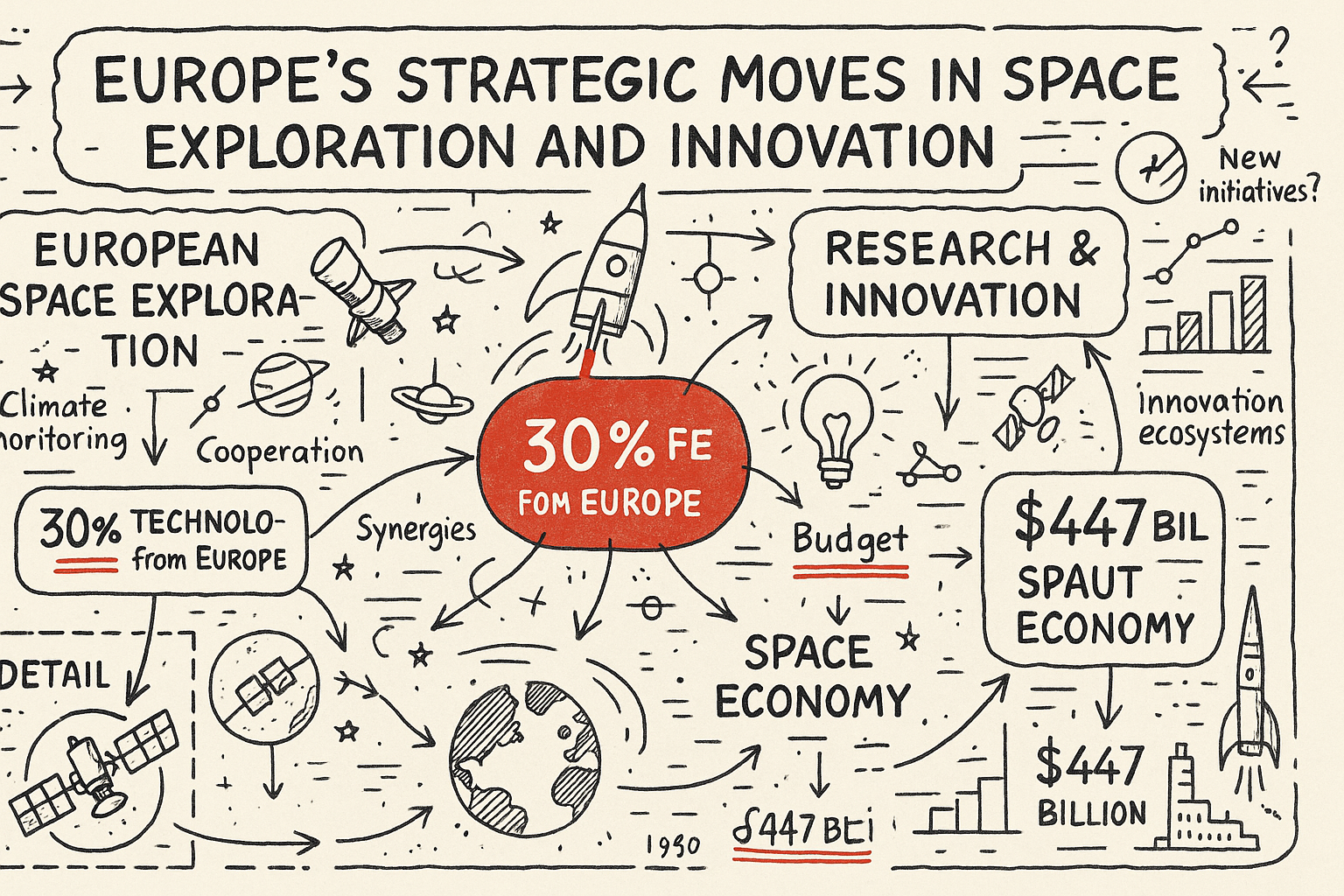
The confluence of these initiatives illustrates a broader European strategy that prioritizes collaboration, innovation, and strategic autonomy. As Europe positions itself as a formidable player in the space arena, its efforts underscore the importance of unity and foresight in navigating the complexities of modern space exploration.