The European Space Agency (ESA) is frequently seen as a beacon of scientific advancement and innovation. However, its recent activities, from open days to mission launches, underscore a less obvious but crucial impact: economic influence. This analysis delves into the interconnectedness of ESA's space endeavors and their economic repercussions, both within Europe and globally.
Open Days: A Gateway to Economic Growth
The ESA Open Days, such as those recently held at ESRIN and Headquarters in Paris, are more than just public outreach events. They serve as platforms for economic stimulation. By attracting thousands of visitors, these events generate immediate economic benefits for local businesses and foster long-term interest in STEM fields, potentially influencing future workforce trends. Attendees, as seen at the Paris open day, engage with virtual reality experiences of the International Space Station and learn directly from astronauts like Samantha Cristoforetti, which can inspire the next generation of scientists and engineers.
From Earth Observation to Economic Insight
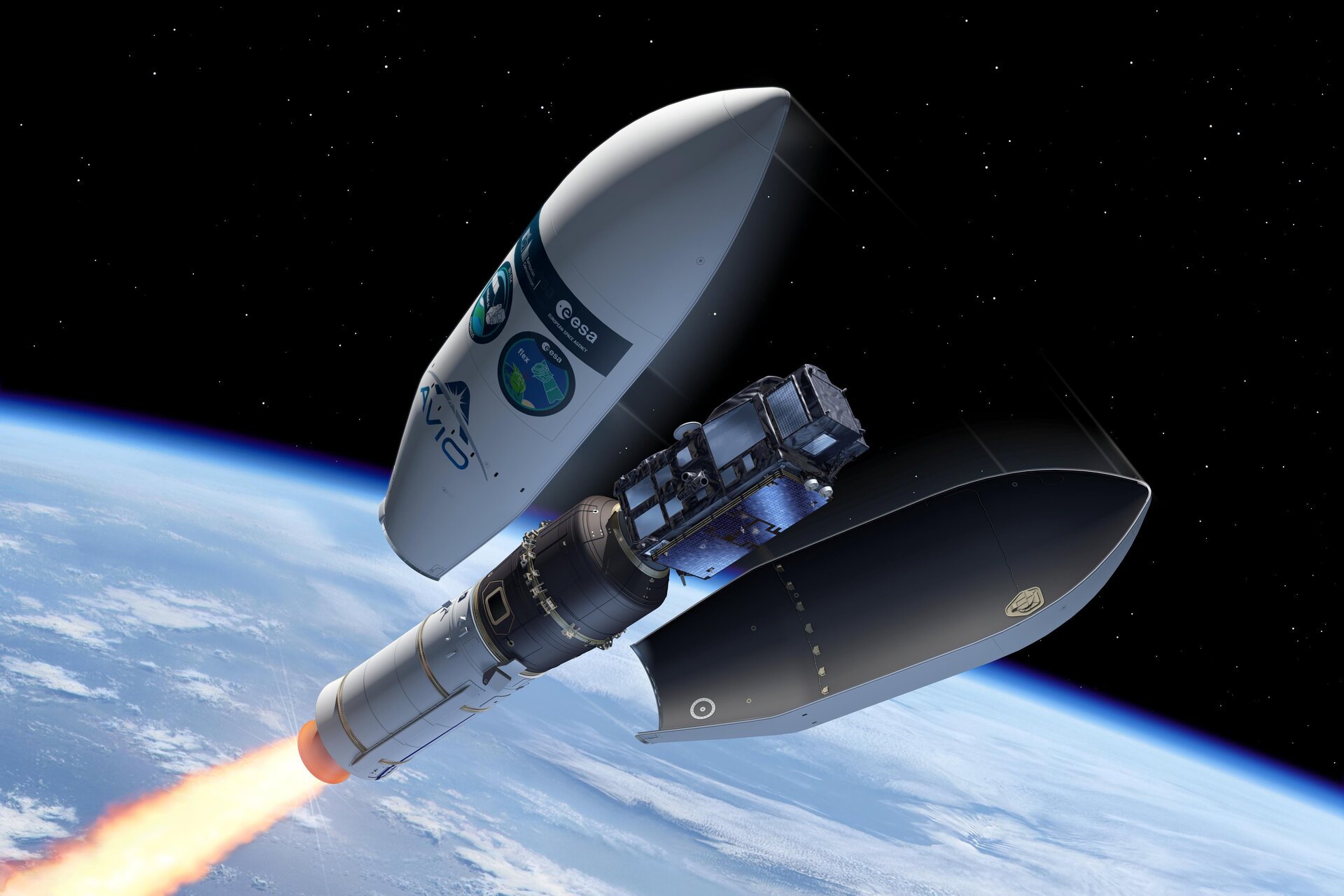
Earth observation programs, such as the Italian IRIDE and its Eaglet II satellite constellation, demonstrate how space initiatives translate into tangible economic products. These satellites enhance environmental, emergency, and security services by providing comprehensive data, which is invaluable for sectors ranging from agriculture to urban planning. The data-driven insights offered by these programs are indispensable for decision-making, risk management, and resource optimization, ultimately leading to cost savings and economic efficiency.
The Economic Ripple of Astronaut Missions
While the return of ESA astronaut Sophie Adenot from her εpsilon mission may seem like a purely scientific milestone, the economic implications are significant. Astronaut missions catalyze advancements in technology and innovation, often leading to spin-offs that benefit terrestrial industries. The technologies developed for space are frequently adapted for use in other sectors, such as healthcare, materials science, and telecommunications, driving economic growth.
Historical Context and Future Implications
Historically, space exploration has been a catalyst for economic development. The Apollo program, for instance, yielded a multitude of technological advancements and industrial growth. ESA's current and future missions are poised to continue this legacy by fostering international collaborations and partnerships that enhance economic resilience. Looking forward, ESA's initiatives in Earth observation and astronaut missions will likely expand Europe’s capabilities in space, bolstering its position in the global space economy.
Moreover, the temporary closure of facilities like the ESA Astrolabe for renovations is indicative of a shift towards more immersive and interactive public engagement. This strategy not only enhances public understanding of space missions but also supports local economies through tourism and educational initiatives.
Surprising InsightsOne might assume that the primary benefits of space exploration are purely scientific. However, a surprising insight is that the economic impacts are equally profound, if not more so in certain contexts. The integration of space-derived data into various industries showcases the versatility of these programs in driving economic efficiency and growth.
In conclusion, ESA's role in the space sector is multifaceted, with significant economic implications. As ESA continues to expand its reach and capabilities, the economic benefits will likely extend beyond Europe, influencing global markets and fostering international economic collaborations.