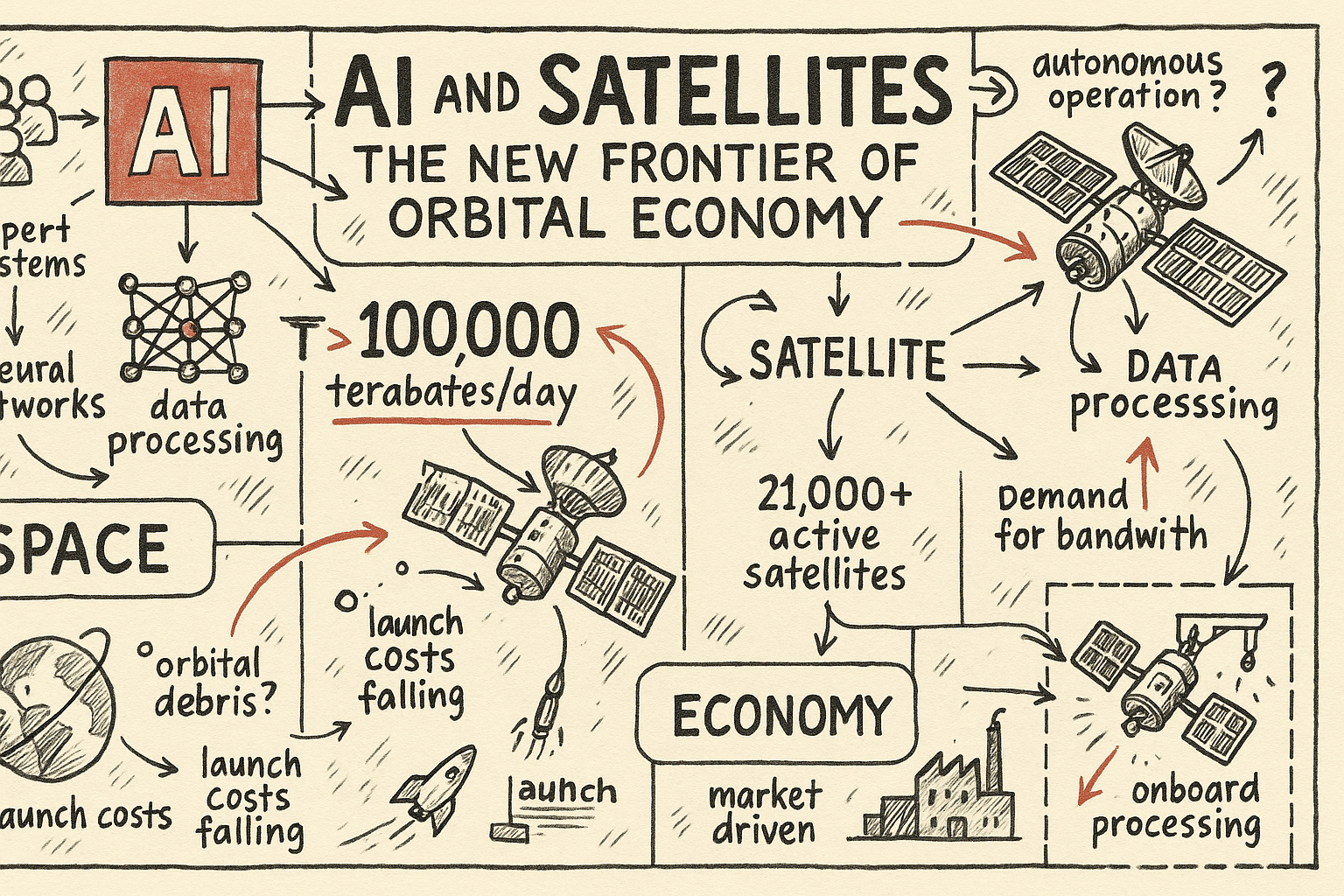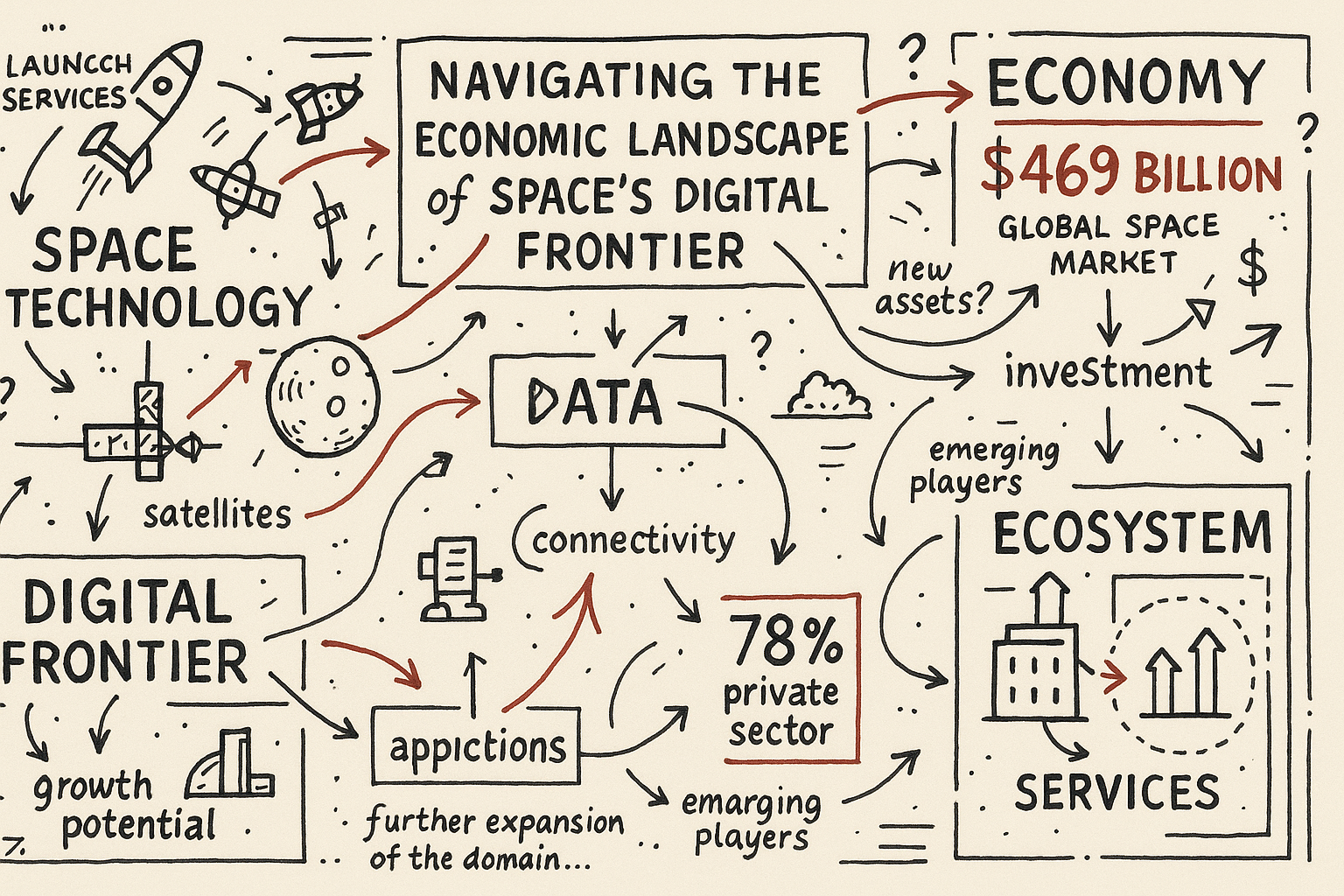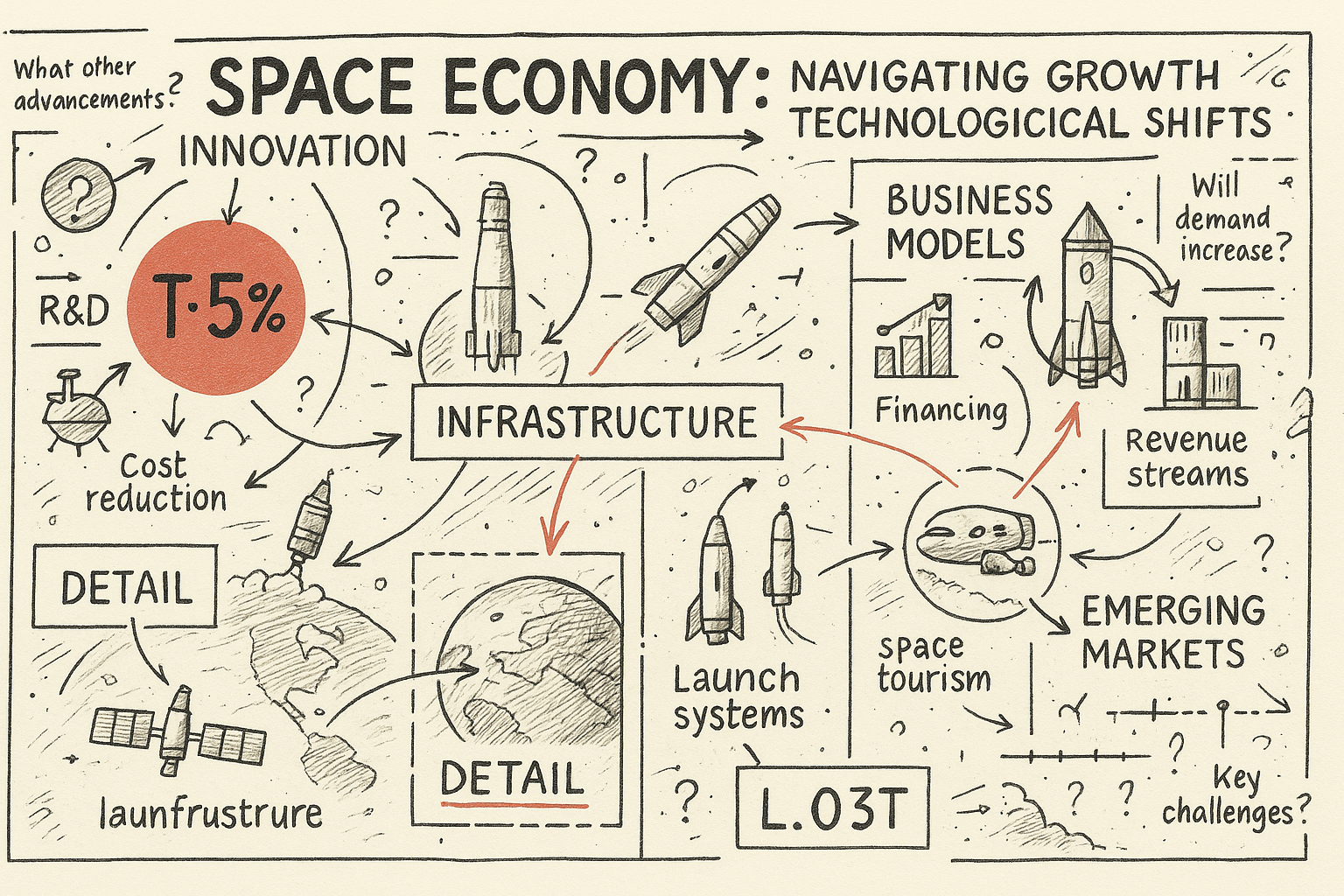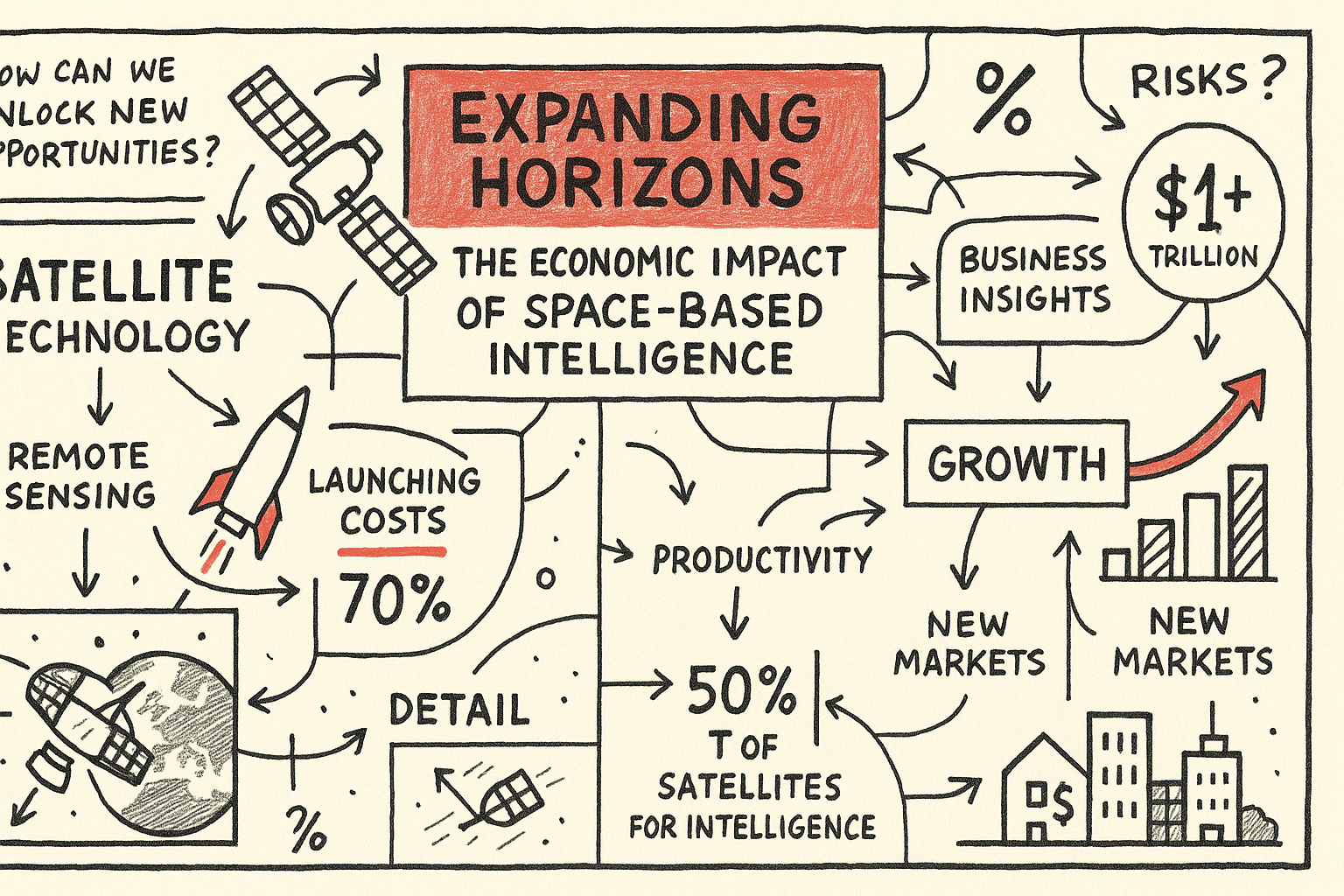
The commercial space sector is undergoing a transformative shift, driven by technological advancements and strategic collaborations. Prominent among these developments are satellite servicing vehicles and power-beaming technologies, which are redefining the economic landscape of space operations.
The Rise of Satellite Servicing
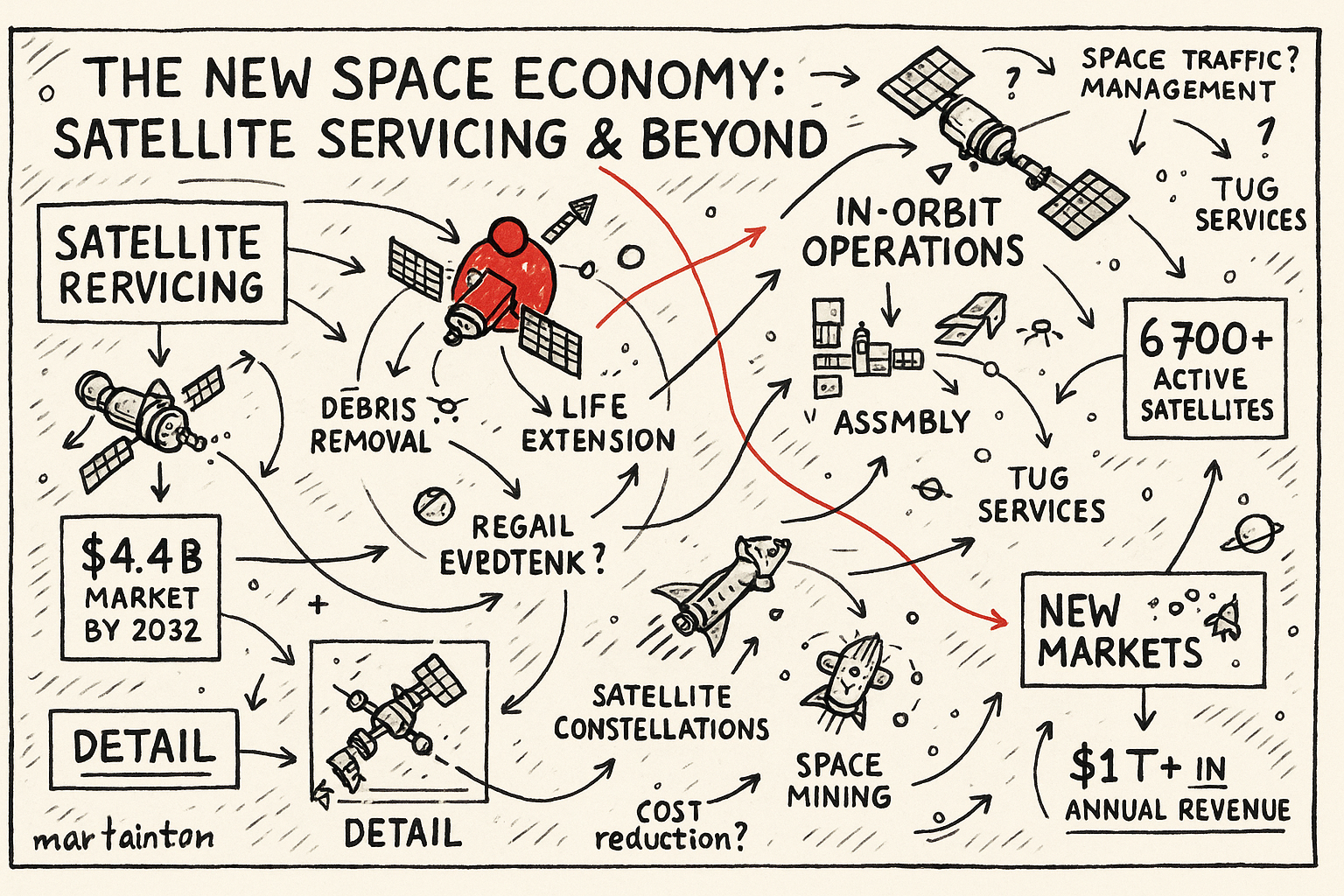
Starfish Space's Otter vehicle, set to launch on SpaceX's Transporter-18 mission, is a significant milestone in satellite servicing. Designed with a flexible architecture, the Otter aims to extend the lifespan of satellites, reducing the need for frequent replacements. This aligns with a growing trend towards sustainability and cost efficiency in space operations. Satellite servicing is not just about maintenance; it opens avenues for satellite upgrades and de-orbiting defunct models, thereby decluttering space.
Data Centers in Space
Google's initiative to launch advanced chips for space-based data centers marks a significant leap in utilizing space for data processing. However, they project that SpaceX's Starship needs approximately 1,800 launches to make these data centers viable. This highlights a counterintuitive aspect of space commercialization: the infrastructure required is far more extensive than anticipated. Yet, the potential payoff in terms of processing power and reduced latency could revolutionize cloud computing.
Power-Beaming: A New Frontier
Star Catcher's power-beaming demonstration represents another frontier in space technology. By transmitting power wirelessly between satellites, this technology could drastically cut down on the weight of onboard power systems. Future spacecraft may rely less on solar panels, paving the way for lighter, more efficient designs. The implications for satellite constellations, particularly in terms of fuel efficiency and extended operational life, are profound.
Military and Government Interests
The delivery of 21 satellites for the U.S. Space Force's Transport Layer underscores the strategic interest in maintaining a robust presence in orbit. These satellites are part of a broader initiative to enhance communication and surveillance capabilities, reflecting the increasing militarization of space. Such developments are poised to influence policy and international relations, as nations vie for dominance in this new arena.
Historical Context and Future Implications
Historically, the space economy has been dominated by governmental agencies, but the current trend shows a shift towards private enterprises driving innovation. The implications of these advancements are vast, impacting everything from telecommunications to national security. As companies like Starfish Space and Star Catcher push the boundaries of what's possible, they not only reshape economic models but also challenge regulatory frameworks.
Surprising Insights
One surprising insight is the sheer number of launches required to make space infrastructure economically viable. Additionally, the shift towards sustainability in space operations, driven by satellite servicing and power-beaming, was not a primary focus in earlier decades.
In conclusion, the space economy is evolving rapidly, with satellite servicing and emerging technologies playing pivotal roles. As these innovations mature, they promise to create a more sustainable and economically viable space ecosystem.