Who and what
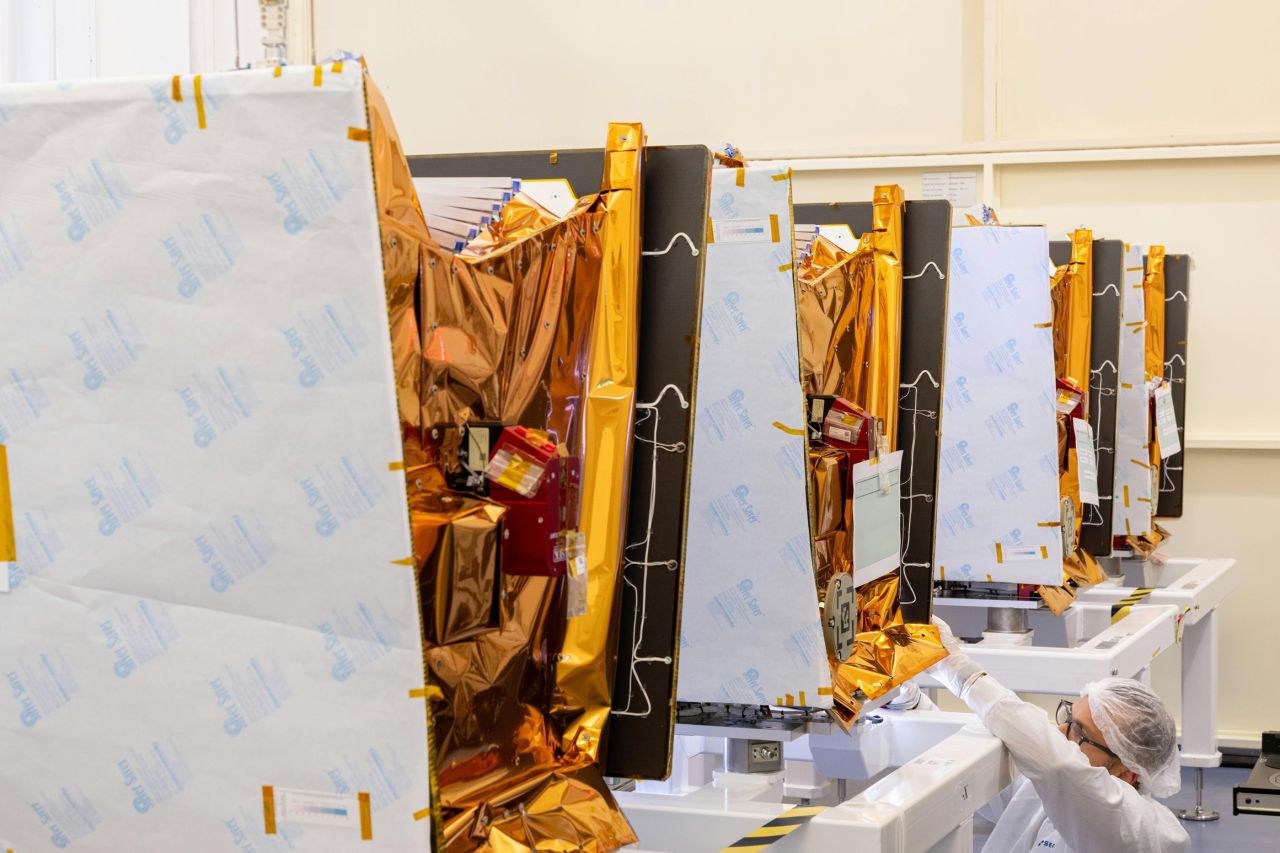
Xona Space Systems will launch six Pulsar satellites on a SpaceX rocket later this month to begin offering a commercial precision alternative to GPS, the company announced in reporting by TechCrunch on October 9, 2026.
What the system aims to do
Xona is pitching Pulsar as a precision navigation and timing service that improves on several known limitations of existing government satellite navigation systems. The company argues that systems such as GPS are vulnerable to jamming and lack the centimetre-level consistency required for applications like farming robots and autonomous vehicles. Xona's approach is intended to provide stronger signals and more precise timing and location data than traditional GNSS alone.
How Xona's technology works
According to TechCrunch, Xona's engineers developed a unique architecture that avoids the need to place expensive atomic clocks on each satellite. Instead, the design leverages the satellites' proximity to Earth in low Earth orbit and frequent communication with ground-based "sources of truth" to maintain accurate time. Another core element is that Xona's signals are designed to be received by many existing GPS-capable receivers with only relatively simple software updates, which the company says eases regulatory hurdles and broadens the potential customer base.
Company background and development path
Xona was founded in 2019 by five engineers who met at Stanford University's aerospace engineering graduate program. One co-founder, Tyler Reid, wrote a PhD thesis exploring the potential of low-Earth-orbit satellites to improve navigation, and Brian Manning serves as Xona's CEO. The company previously launched a prototype satellite last year that TechCrunch described as having validated the core technology. Four of the six satellites on this month's launch are similar to that prototype, the report said.
Launch and near-term plans
TechCrunch reports that a SpaceX rocket is scheduled to put the six Pulsar satellites into orbit this month. This deployment is framed as the first precision commercial alternative to GPS that is preparing to go live. The same TechCrunch coverage notes the company has secured Federal Communications Commission approval, and reporting elsewhere indicates Xona is preparing to scale production beyond these initial units.
Market rationale and potential customers
Xona positions Pulsar not as a free replacement for government GNSS but as a commercial upgrade to the hardware-dependent market for navigation and timing. CEO Brian Manning told TechCrunch that while GPS signals are often perceived as a free service, the market opportunity lies in selling improved hardware and services to industries that need better performance. Use cases explicitly mentioned include agriculture automation and autonomous vehicles—applications that require higher precision and stronger interference resistance than standard GNSS can reliably provide.
Technical and regulatory advantages
Two technical advantages underpin Xona's strategy: tighter timing synchronization without atomic clocks onboard each satellite, and backward compatibility with existing GNSS receivers via software changes. TechCrunch emphasized that compatibility is important both for market adoption and for navigating the complex regulatory environment around broadcasting navigation signals. By enabling current receivers to accept Pulsar-enhanced signals with modest updates, Xona aims to lower the barrier for customers and regulators alike.
Context and implications
Commercial efforts to provide alternatives or complements to national GNSS systems have been growing in recent years, with diverse approaches including augmentation services and new constellations. Xona's move to test and activate a small network of Pulsar satellites in low Earth orbit is an example of startups seeking to deliver differentiated timing and positioning services by exploiting the proximity advantages of LEO satellites. If the launch and initial service activation succeed, it will be an early demonstration of a privately run, precision navigation layer designed to work alongside existing GNSS infrastructure.
Uncertainties and next steps
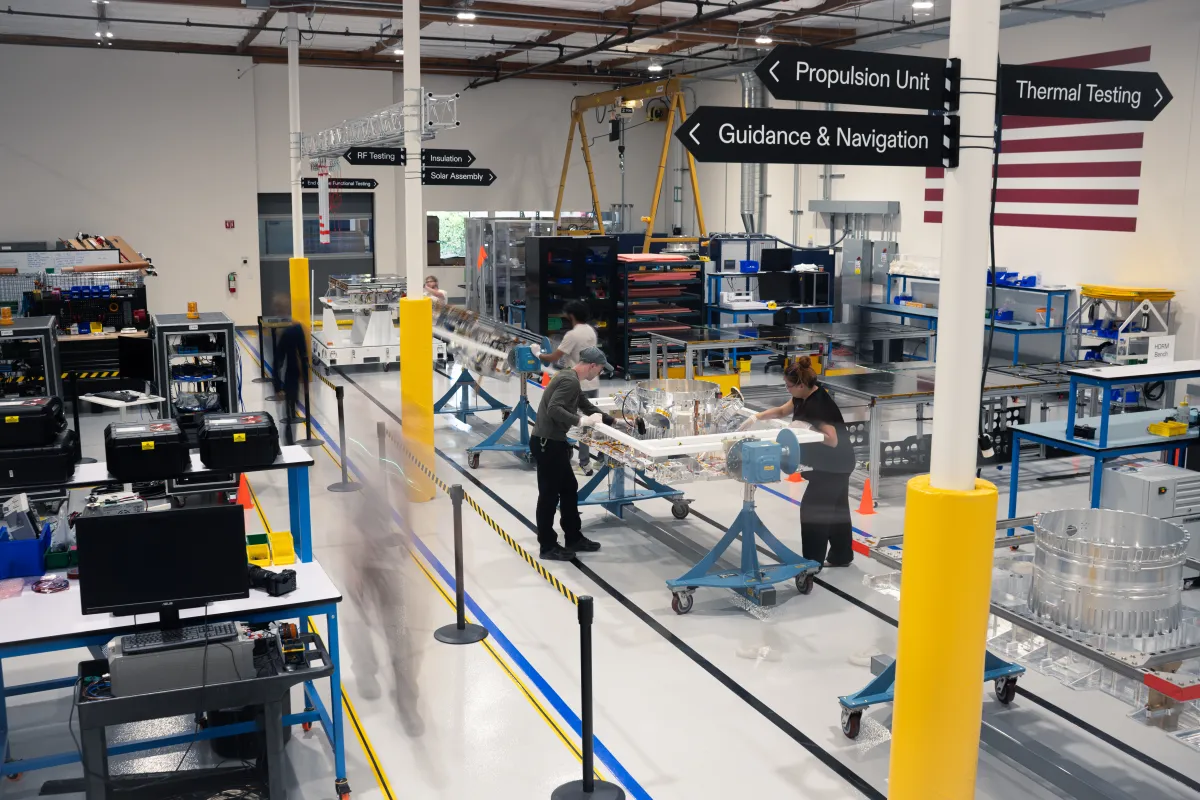
TechCrunch describes the upcoming launch and the company's prior prototype test but does not provide a detailed schedule for commercial service activation or pricing. The longer-term success of Xona's approach depends on several factors, including the results of the imminent launch, regulatory approvals in markets beyond the United States, the breadth of compatibility with real-world receivers, and the company's ability to scale production and operations. TechCrunch also reported that, beyond the six satellites, Xona has plans to build many more in future production runs.
Observers should watch the SpaceX launch this month and subsequent operational tests that will reveal whether Pulsar's technical promises—improved resilience to jamming, finer timing, and easy receiver upgrades—validate Xona's commercial case. The company has taken a step toward offering a paid, precision navigation service built to function with the installed base of GNSS hardware, but substantial testing and market adoption remain to be seen.