Northern Norway is poised to become a significant player in the global space launch industry, with its facilities ready to support a variety of missions. However, the region's ambitions face challenges due to evolving regulatory frameworks and an Arctic policy update from the European Commission that has yet to keep pace with the rapid developments on the ground — and on the launchpad.
A Historic Milestone at Andøya
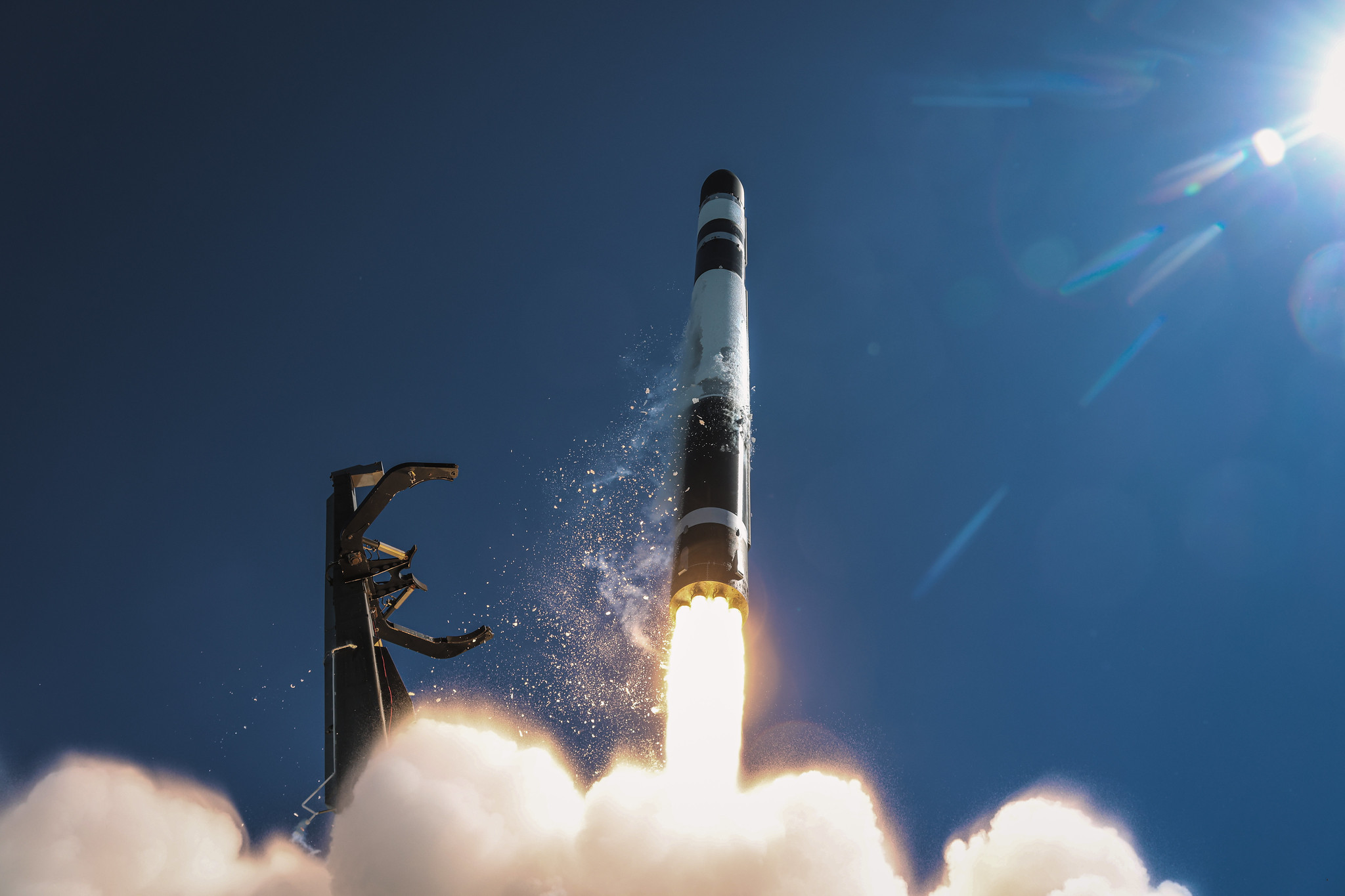
On March 13, 2026, Norwegian Prime Minister Jonas Gahr Støre and German Chancellor Friedrich Merz stood together at Andøya Spaceport to witness what could become a defining moment in European space history. German rocket company Isar Aerospace is preparing its second Spectrum mission at the facility. If successful, Andøya will become the first operational spaceport on the European mainland to place payloads into Low Earth Orbit — a milestone that would directly reduce Europe's dependence on non-European launch infrastructure.
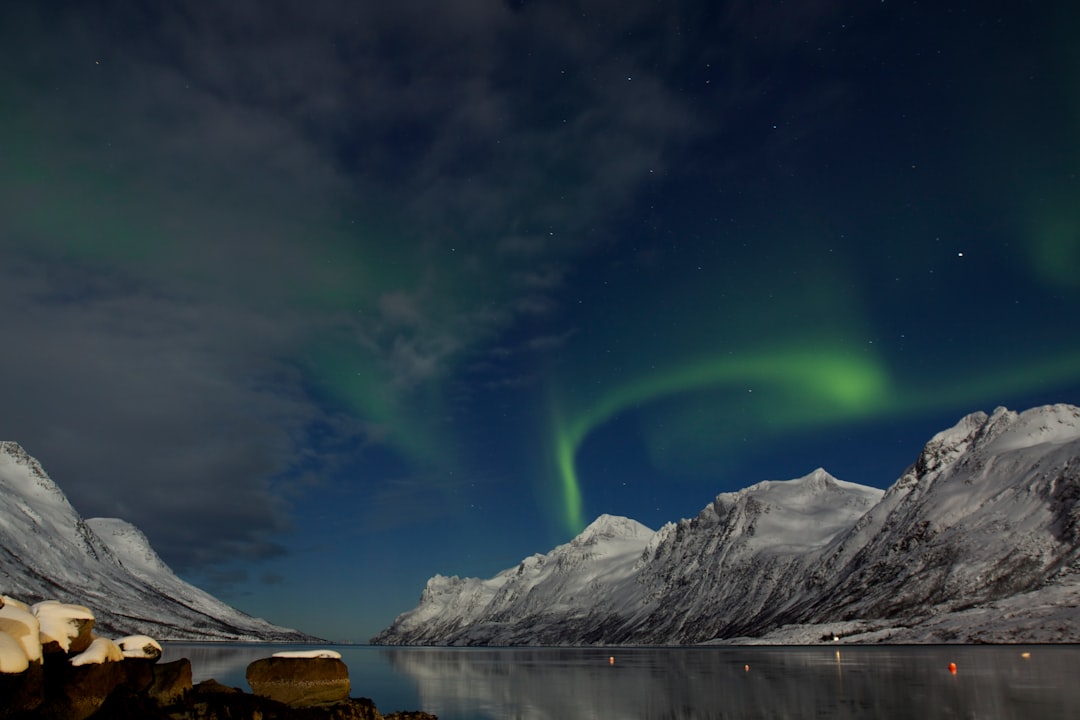
The barrier preventing Andøya from becoming a standard part of Europe's launch infrastructure is not technical, but political. Northern Norway's unique geographical position makes it ideally suited for launching satellites into polar and sun-synchronous orbits, which are increasingly in demand for earth observation, climate monitoring, and communication purposes. The infrastructure is ready. The regulatory clarity is not.
The EU's Arctic Policy Update: What's at Stake
The European Commission is currently updating its Arctic policy, with a new policy statement expected this coming autumn. Unlike the latest policy from 2021, the update will place greater emphasis on security, defense, and connectivity — additions that matter enormously in the current geopolitical climate. However, there is a significant risk that Brussels will articulate an ambitious Arctic policy while overlooking one of Europe's most strategically valuable assets: Andøya Spaceport itself.
The current lack of a comprehensive, updated Arctic policy creates a regulatory environment that introduces uncertainty into the planning and execution of upcoming launch operations. For stakeholders in Northern Norway, this uncertainty is more than an administrative inconvenience — it has real consequences for investment decisions, mission timelines, and Europe's broader strategic autonomy in space.
Analysts and observers argue that the EU should align its updated Arctic policy with the IRIS² Secure Connectivity program to fully integrate Andøya Spaceport into European critical infrastructure for security, resilience, and connectivity. The IRIS² framework itself may need to be updated to make that integration possible.
An Emerging Nordic Space Corridor
Andøya's ambitions do not exist in isolation. An emerging Nordic space corridor is taking shape across the region. Sweden's Esrange Space Center is advancing toward satellite launch capabilities. Finland's ICEYE has signed a letter of intent with the Swedish Space Corporation to deepen cooperation in launch, missions, and satellite operations. Norwegian KSAT is extending its world-class Arctic ground segment into orbit with its Hyper in-orbit relay constellation.
In November 2025, ESA and Norway signed a letter of intent to explore establishing a permanent ESA Arctic Space Centre in Tromsø — the first time ESA has considered a dedicated institutional Arctic footprint on Norwegian soil. This signals a growing recognition at the institutional level that the European Arctic is not a peripheral concern, but a strategic frontier.
The Financial Commitments Are Clear
The scale of financial investment underscores the strategic weight of this moment. ESA approved a 22.3 billion euro budget for 2026–2028, its largest-ever contribution package. Norway has committed 292 million euros within that framework. Germany has announced 35 billion euros in national space-related defense investments by 2030. Norway's own High North strategy, published in August 2025, places the Andøya space investment in the same strategic frame as the country's defense build-up and its energy and industrial expansion in Finnmark.
What Needs to Happen Next
A concrete test of whether the EU's new Arctic priorities are taken seriously will be how it approaches access to space from the European Arctic. The need for a clear and stable regulatory environment is critical for the continued development of Northern Norway's space industry. As the European Commission works toward finalizing its updated Arctic policy this autumn, stakeholders in the region remain hopeful — but watchful — that it will provide the necessary framework to support their growing ambitions and reflect the strategic reality already unfolding at Andøya's launchpad.
Stay up to date with the latest space news at NovA mAInd.