As humanity pushes the boundaries of space exploration, recent developments highlight a new era of international collaboration and technological evolution. From China's ambitious lunar aspirations to SpaceX's pioneering strides with the Starship V3 rocket, the global landscape of space exploration is witnessing a paradigm shift.
China's Lunar Ambitions
China is making significant strides towards its lunar goals, marked by the inclusion of a Hong Kong astronaut in its latest space mission. This mission underscores China's commitment to establishing a human presence on the Moon. Historically, China's space program has evolved from a national ambition to a global contender, now aiming to rival NASA's Artemis program. The geopolitical implications of this are profound, as it reshapes alliances and competitive dynamics in space exploration.
SpaceX and the Starship Revolution
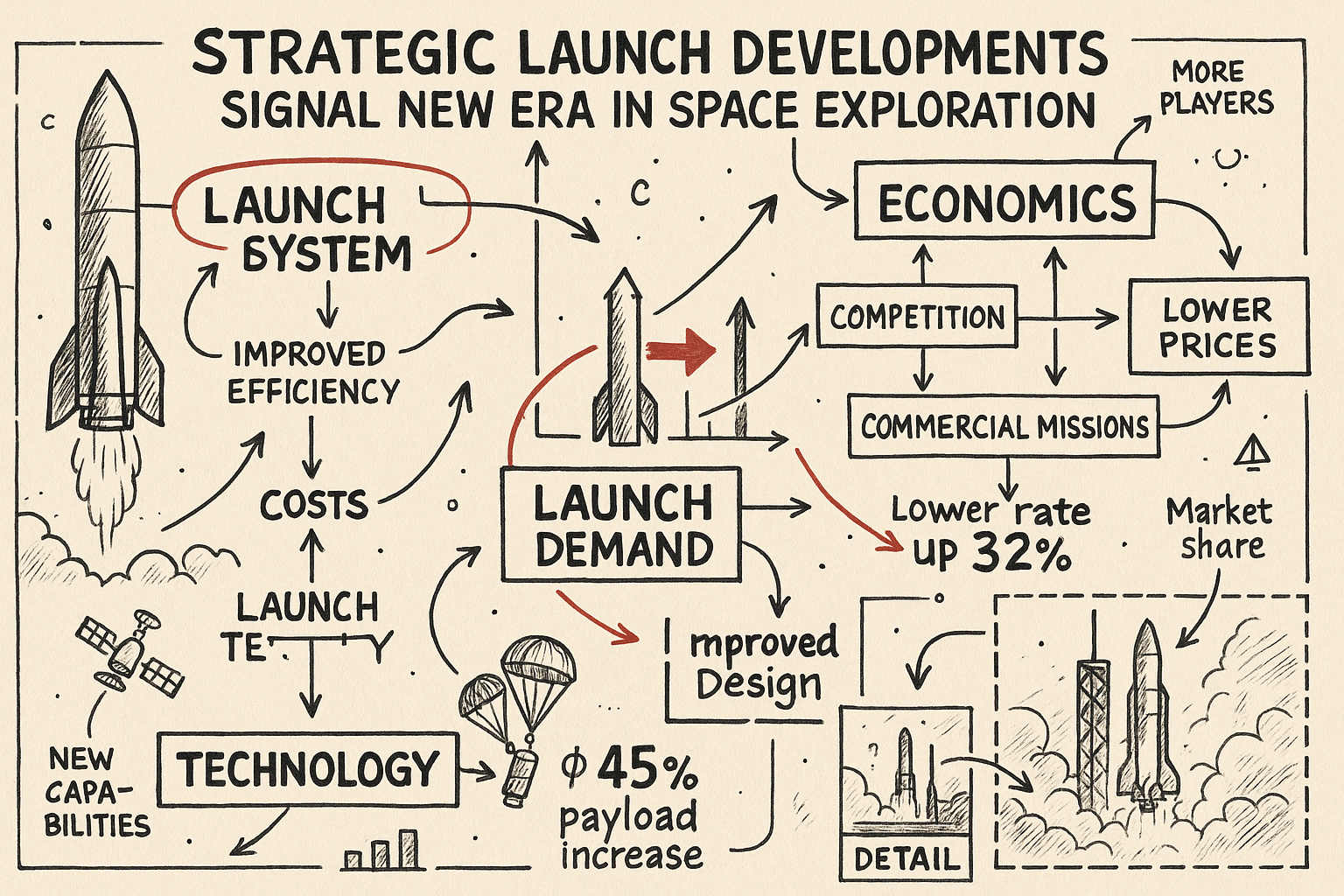
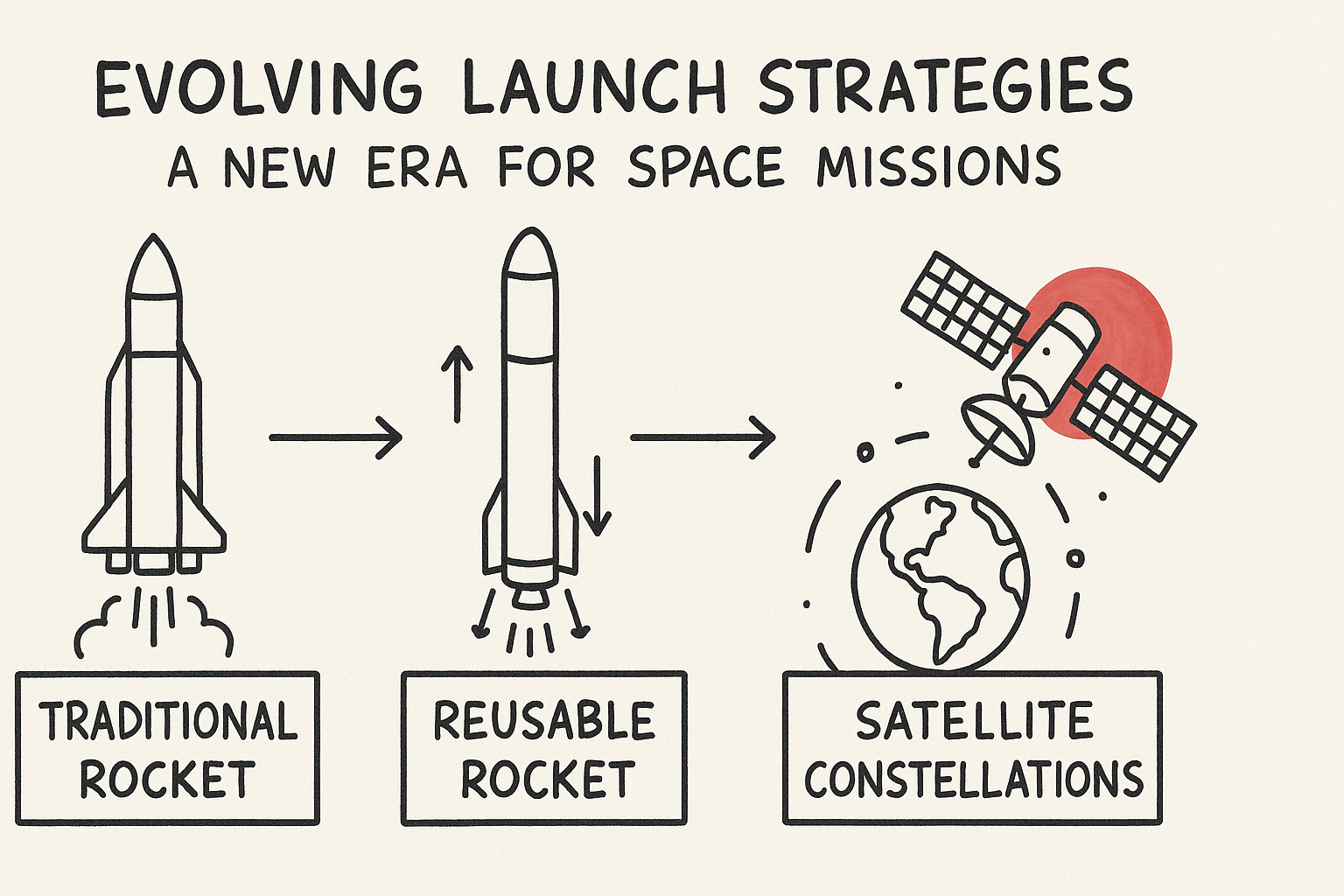
SpaceX's Starship V3 has been a focal point of attention, despite initial setbacks such as engine misfires and ground system issues. The recent test flights, though not flawless, demonstrate SpaceX's iterative approach to innovation. Elon Musk's vision for using Starship as a vehicle to Mars and beyond represents a bold step towards interplanetary travel. The implications of a successful Starship program extend beyond commercial gains, potentially revolutionizing space travel by drastically reducing costs and increasing payload capacities.
Collaborative Observations of 3I/ATLAS
The simultaneous observation of the interstellar object 3I/ATLAS by the JUICE and Europa Clipper missions exemplifies international scientific collaboration. This effort not only augments our understanding of interstellar phenomena but also sets a precedent for future cooperative ventures in space science. Such collaborations are crucial as they combine resources and expertise from various space agencies, accelerating scientific discovery and technological advancements.
European Mars Ambitions
Europe is making headway in Mars exploration with its ExoMars mission, which aims to deploy its first rover on the Martian surface. This milestone is a testament to Europe's growing capabilities in space exploration, aligning with broader goals to establish a presence on Mars. The success of ExoMars could pave the way for future missions, enhancing our understanding of Mars and its potential for supporting life.
Sunspot Activity and Spacecraft Reentry
A recent study has revealed how sunspot activity influences spacecraft reentry speeds. This discovery has significant implications for mission planning and spacecraft design, as increased solar activity can affect reentry trajectories. Understanding these dynamics is crucial for ensuring the safety and success of both crewed and uncrewed missions returning to Earth.
Rethinking Geysers on Europa
In a surprising turn, recent observations have cast doubt on the existence of geysers on Jupiter's moon Europa. Earlier hypotheses suggested that these geysers could indicate subsurface oceans, potentially harboring life. The absence of geysers necessitates a reevaluation of Europa's geological activity and its potential habitability, emphasizing the need for continued exploration and study.
In conclusion, the current landscape of space exploration is characterized by a blend of competition and collaboration. As nations and private companies push the frontiers of space, shared scientific goals and the pooling of resources are paving the way for unprecedented discoveries. The future of space exploration lies in our ability to work together, harnessing the strengths of diverse actors to overcome the challenges of the cosmos.