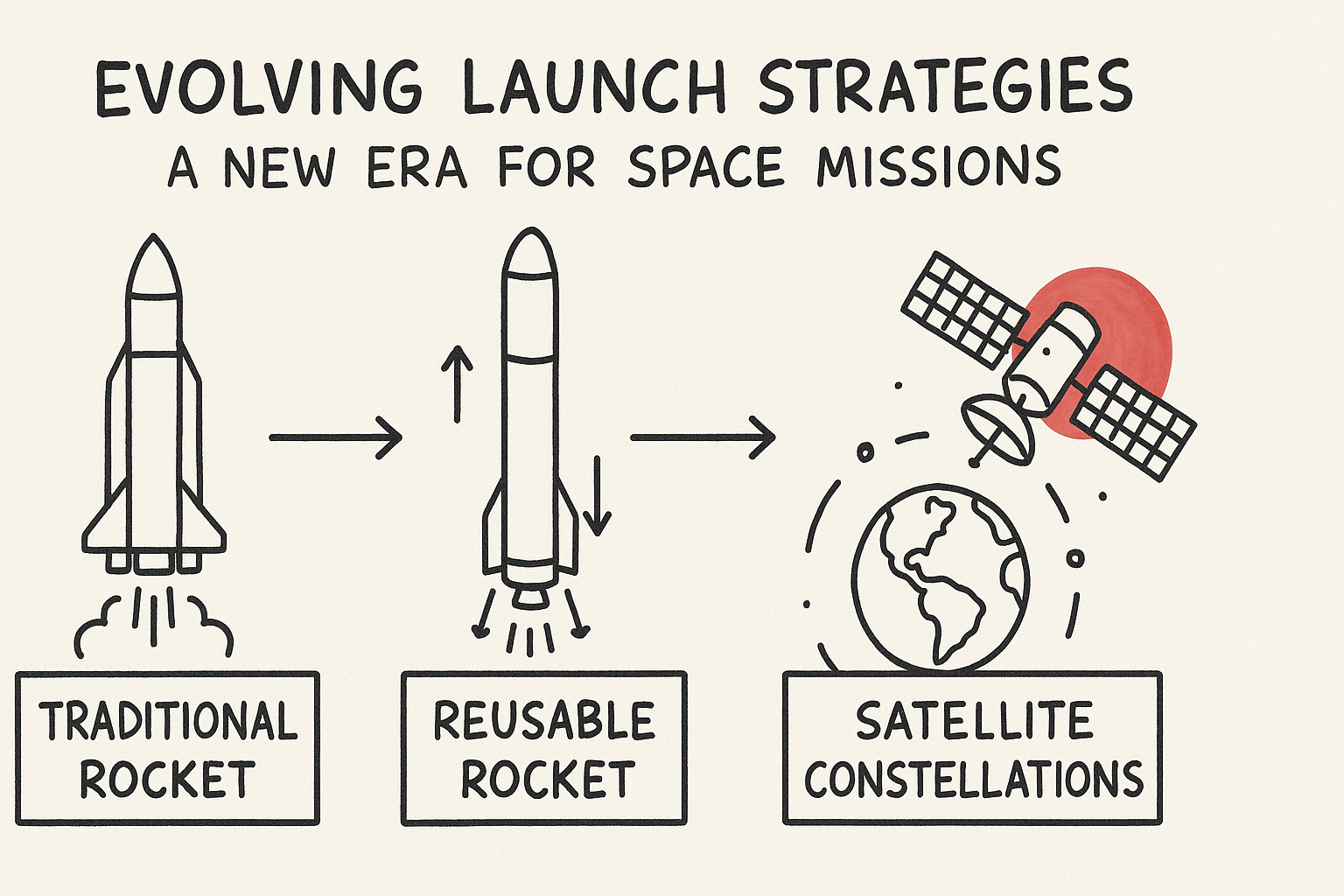
The space industry is undergoing a paradigm shift, transitioning from traditional launch models to more innovative and collaborative approaches. This evolution is driven by advancements in technology, geopolitical dynamics, and the growing influence of private companies. Recent developments provide a snapshot of these transformative changes, offering insights into the future of space exploration.
The Role of Technology in Modern Launches
One of the most significant technological advancements influencing space launches is the move towards multi-functional launch vehicles. French startup Latitude's decision to rebrand its two-stage rocket, previously known as Zephyr, to simply 'Our Launcher' reflects a broader trend of streamlining operations and enhancing vehicle capabilities. This 19-meter tall vehicle is designed to deliver up to 200 kilograms to low Earth orbit, signifying the increasing efficiency and modularity in launch technologies (Source 7).
Meanwhile, the US Space Force's interest in 'orbital warehouses' underscores the strategic importance of on-orbit logistics. These warehouses could revolutionize satellite deployment and maintenance, reducing dependency on Earth-based resources and enabling more flexible mission profiles (Source 6).
Global Cooperation and Policy Dynamics
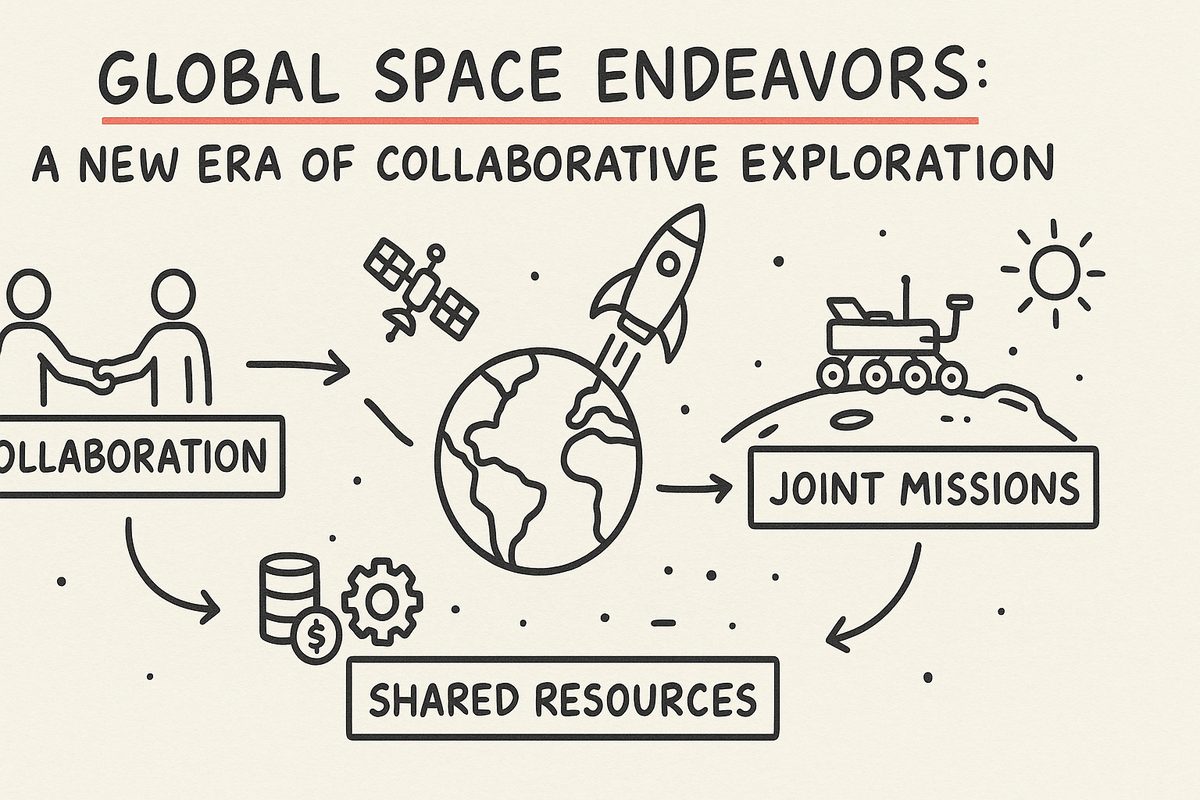
On the policy front, Italy's leadership of the United Nations Committee on the Peaceful Uses of Outer Space (COPUOS) for 2026-2027 marks a pivotal moment in international space governance. Under the guidance of Teodoro Valente, this presidency aims to foster global cooperation and ensure that space remains a domain for peaceful exploration, reflecting a growing consensus on the importance of multilateral collaboration in space (Source 4).
This cooperative spirit is essential as nations and private entities push the boundaries of exploration. NASA's recent discovery of supernova wreckage at the Milky Way's center highlights the collaborative efforts required to unravel the universe's mysteries (Source 8).
Surprising Insights into Launch Trends
Interestingly, the intersection of commercial interests and scientific exploration is yielding unexpected developments. For instance, the application of image-stabilized binoculars for night sky observation, now more accessible thanks to competitive pricing, indicates a growing public engagement with space technology (Source 1). This increased public interest could drive further investment and innovation within the industry.
Additionally, the discovery of an ancient quasar potentially holding secrets to black hole formation (Source 5) exemplifies how launches are not only about reaching physical destinations but also about unlocking new astrophysical insights.
Future Implications and the Road Ahead
As we look to the future, the integration of advanced technologies, coupled with strategic international collaborations, will likely redefine our approach to space launches. The emphasis on sustainable and reusable launch systems will continue to grow, influenced by both economic and environmental considerations.
Moreover, the increasing role of private companies in launching and maintaining space infrastructure could lead to a more democratized space environment, where access to space is not limited to traditional state actors.
In conclusion, the current trajectory of the space industry suggests a vibrant and dynamic future for launches. As technology advances and international cooperation strengthens, the potential for groundbreaking discoveries and innovations in space exploration becomes ever more promising.