Introduction
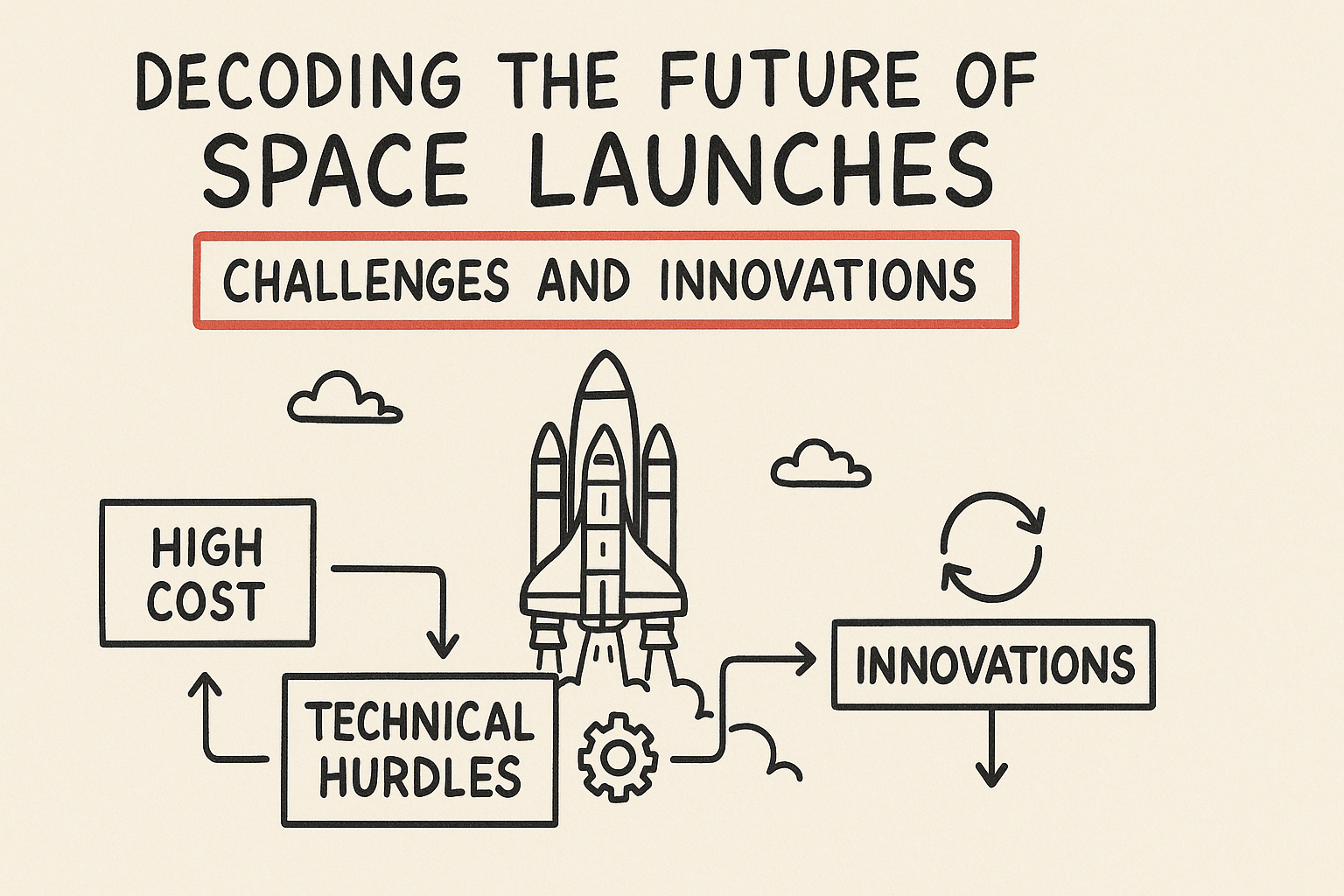
Over the past month a cluster of announcements—from Swiss startup Stellar Alpina’s leap into spacecraft, to Italian prime contractor Avio’s retrenchment on reusable demonstrators, and national agencies plotting power and navigation for the Moon—has revealed a launch-and-lunar-access environment at once pluralistic and brittle.
From engine lab to lander hangar: why Stellar Alpina matters
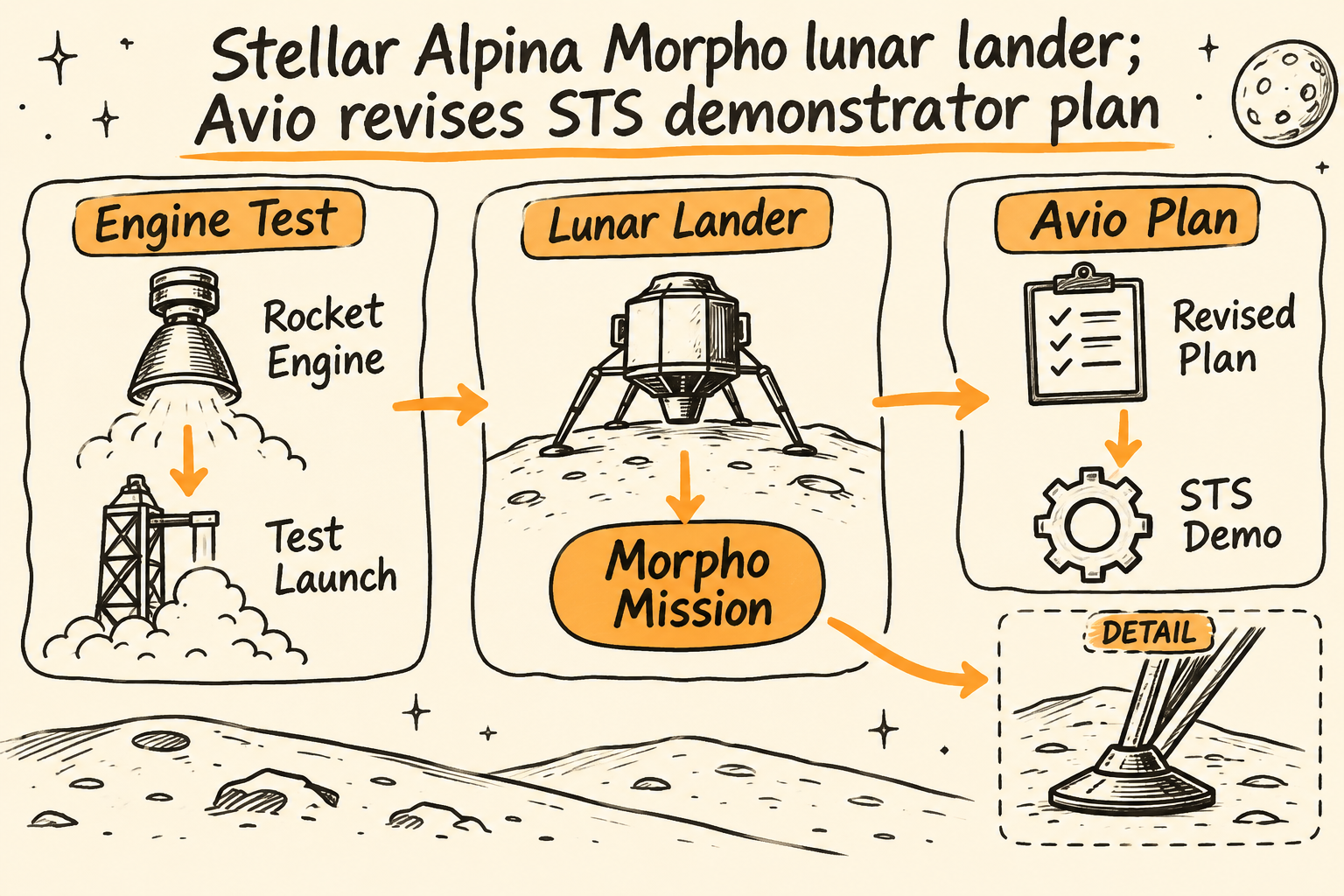
Stellar Alpina began as a propulsion specialist focused on rotating detonation rocket engines (RDREs), an advanced cycle that promises higher efficiency and compactness compared with classical gas-generator or staged-combustion engines. The company’s recent unveiling of Monarch (an orbital transfer vehicle) and Morpho (a lunar lander) marks an abrupt strategic expansion: engine developer turned integrator. That trajectory echoes aerospace history—companies built for a single technology often broaden to capture more margin and market share—but the speed here is notable. In practical terms, Stellar Alpina is betting that RDREs will deliver payload performance sufficient to offset the added technical and operational risks of designing and operating whole spacecraft.
That bet is not frivolous. RDREs can, in principle, reduce propellant mass and enable simpler thermal architectures for small lunar landers. For startups competing for commercial deliveries to the lunar surface, a propulsion advantage can translate directly into either more payload or lower mission cost. Yet the jump from test rigs to integrated lander systems remains steep: guidance, avionics, thermal control, and lunar descent autonomy are different engineering domains, each with decades of institutional knowledge behind them.
Avio’s retrenchment: a cautionary mirror
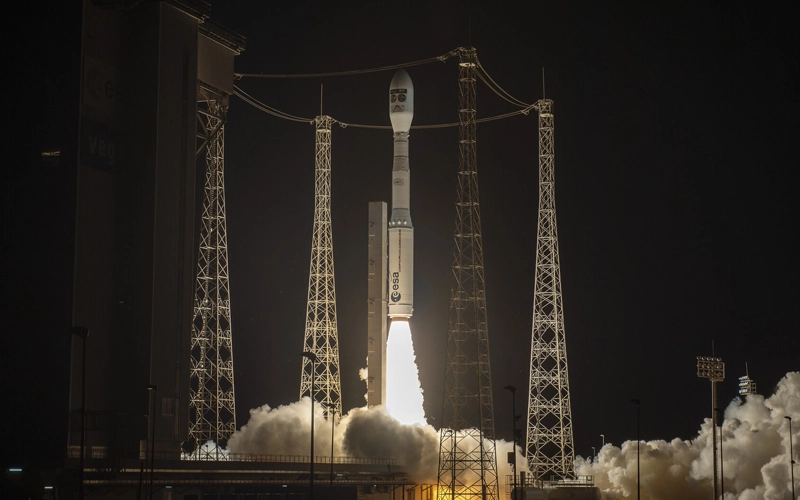
At the same time, Avio—long an emblem of European mid‑lift launch capability—has scaled back its demonstrator programme intended to validate key technologies for a reusable launch vehicle. Avio’s decision, disclosed in its financials, exposes the unglamorous truth: demonstrators are expensive, unpredictable, and politically entangled. The company revised the Space Transportation System (STS) programme scope and funding, effectively slowing the company’s pathway to reusability.
Viewed side-by-side with Stellar Alpina’s expansion, Avio’s pullback presents a useful counterpoint. New propulsion promise can open business plans; but when legacy manufacturers confront real-world programmatic constraints—cost, schedule, certification risk—their reaction is often to narrow scope. The European launch ecosystem is therefore becoming bifurcated: agile startups pursue high-risk integration strategies while incumbents de-risk through incrementalism.
Enabling tech and national strategies: navigation and power for the Moon
This bifurcation plays out in other announcements. NASA’s SPLICE navigation demo—an autonomous lunar descent capability tested on an Alta‑X drone—shows how software and sensors are increasingly de-risked on Earth before being trusted with planetary landings. Autonomous pinpoint landing is central to making small landers commercially useful: without it, the utility of propulsion gains is limited by where a vehicle can safely touch down.
Meanwhile, the Canadian Space Agency’s RFI for a lunar microreactor signals that national agencies are planning for sustained, power-hungry lunar operations. Microreactors change engineering trade-offs: with abundant continuous power, rovers and habitats can run heaters, mine ice, and process propellant, transforming logistics and launch cadence requirements. For launch players, that means different payload priorities—delivering infrastructure and larger, more capable landers rather than single-use probes.
Connecting the dots: markets, technology and timelines
Taken together, these developments paint a landscape with three interacting dynamics. First, propulsion innovation (RDREs and advanced cycles) is enabling design possibilities that were previously marginal. Second, autonomy and surface infrastructure (navigation and power) are being matured in parallel, increasing the potential return on successful lander designs. Third, risk tolerance differs by actor: startups pursue integrated leaps, while incumbents and national agencies hedge with incremental demonstrations and procurement processes.
These dynamics shape timelines. Successful startup integration of RDRE‑powered landers could accelerate commercial lunar deliveries within a few years—but only if they also demonstrate robust autonomy and secure access to follow‑on infrastructure (power, communications, propellant). Conversely, delayed demonstrator programmes in Europe could push reliance onto non-European providers unless public investment or partnerships close the gap.
Implications and what to watch
Short term: watch Stellar Alpina’s road map—engine tests, Monarch transfers, and a Morpho descent demonstration will be critical milestones. Equally important are announcements around microreactor contracts and SPLICE derivatives: power and precision landing are force multipliers.
Medium term: expect consolidation or partnerships. Startups with propulsion wins but thin systems expertise will either partner with avionics and landing specialists or risk failure. Incumbents like Avio may pause, but they still possess manufacturing scale and regulatory experience that will be valuable for larger lunar logistics chains.
Long term: the interplay of propulsion, surface power, and autonomy will determine whether the next decade produces a true lunar economy or a sequence of impressive but isolated missions. For launch strategy, that means success will come not from a single breakthrough but from aligned maturation across several technologies and procurement regimes.
ConclusionThe recent news cycle shows an industry at an inflection: technical ingenuity (RDREs, autonomy) offers real leverage, but commercial success will depend on solving the mundane and interdependent problems—power, landing precision, and programmatic funding—that have historically determined outcomes in spaceflight.