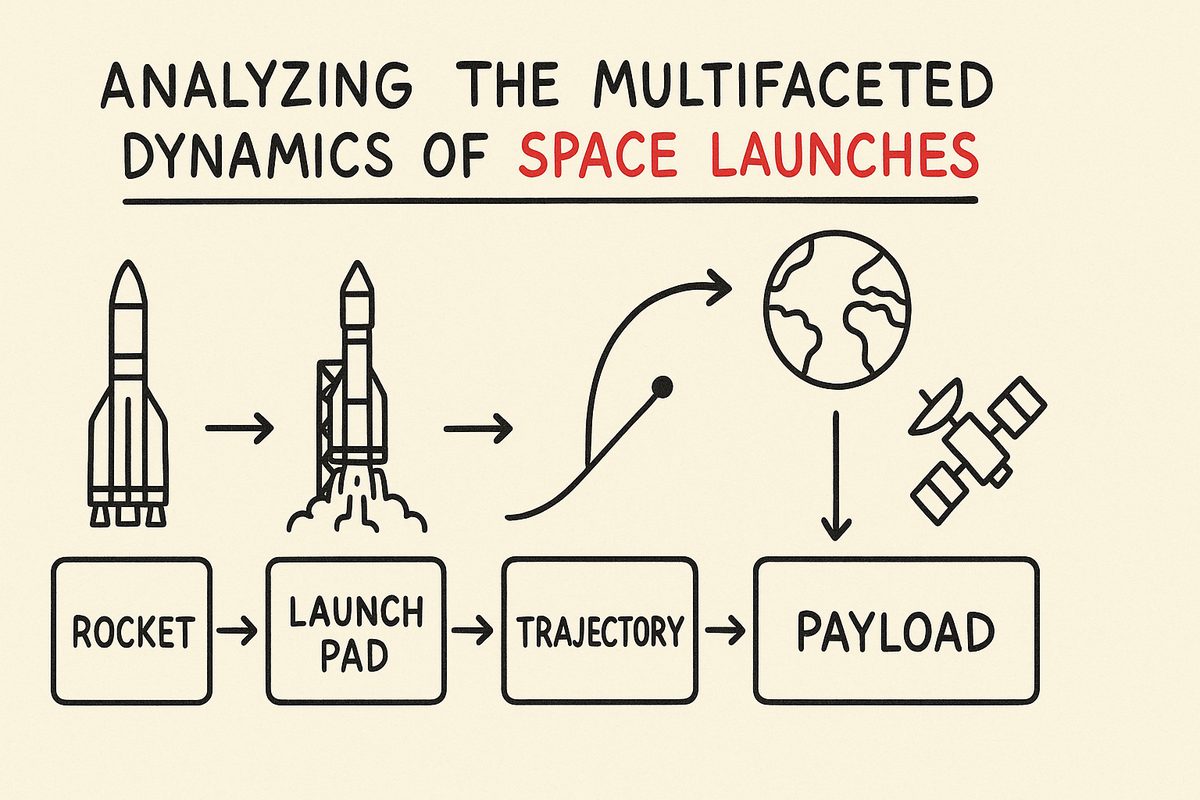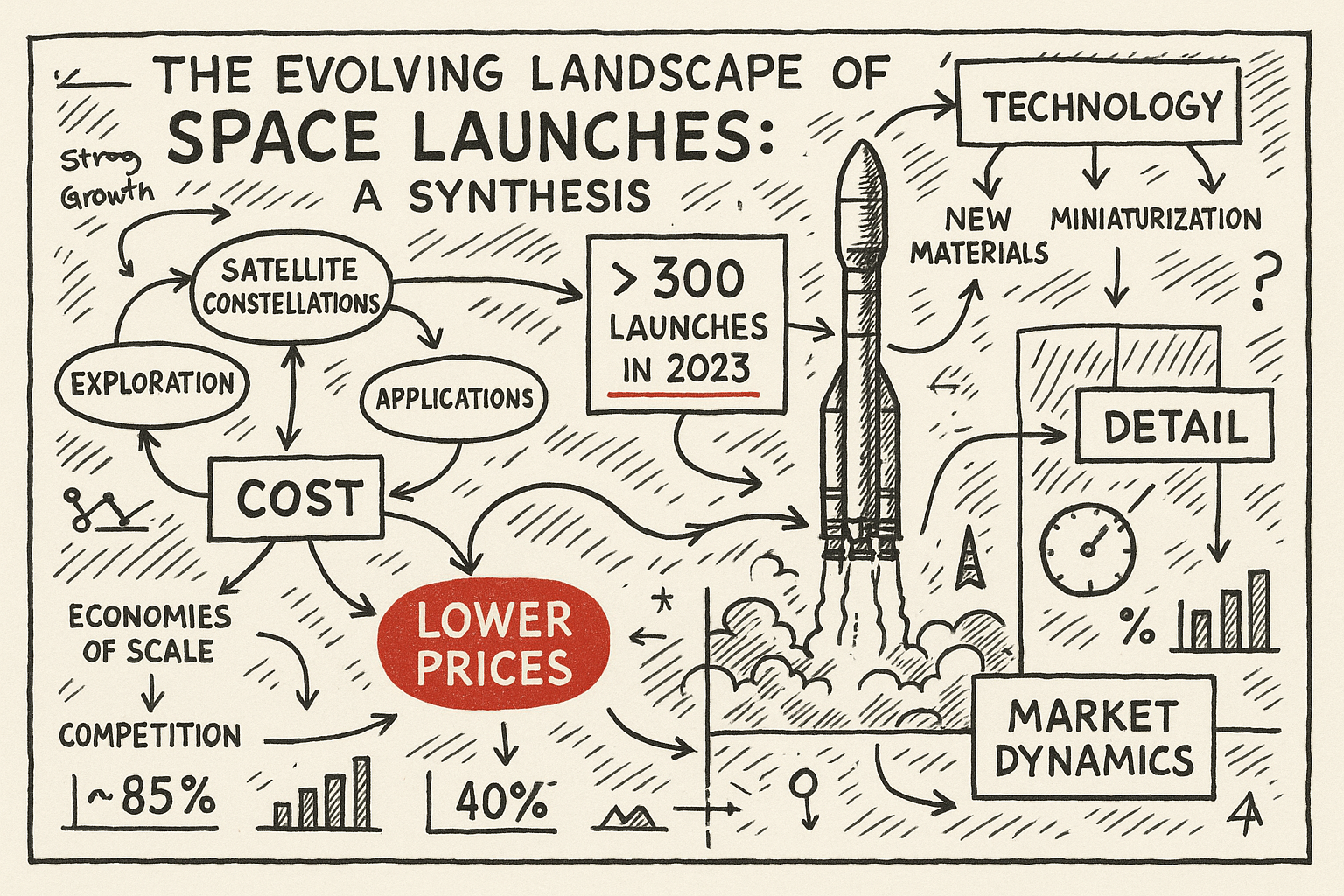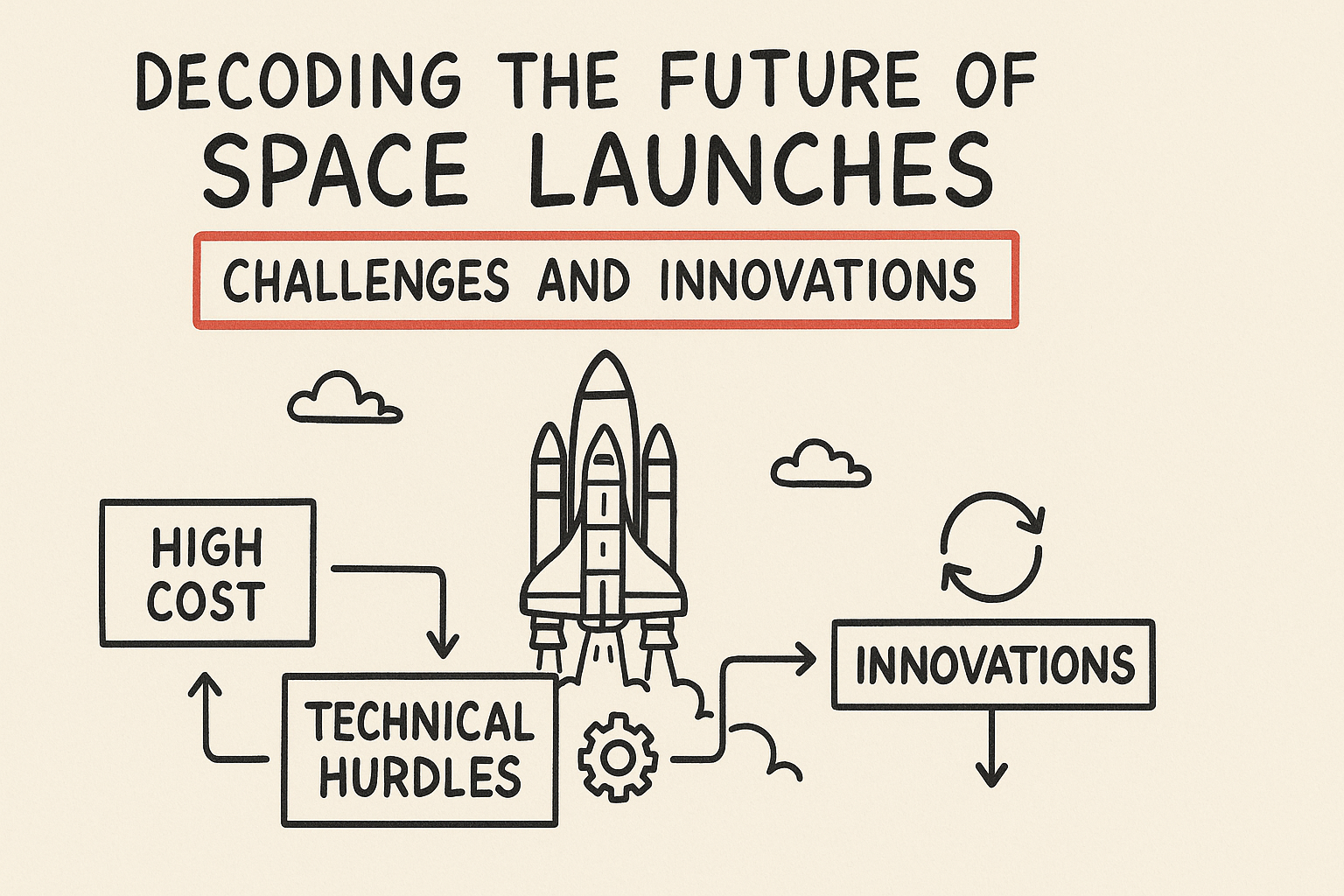
The landscape of space launches is undergoing a transformative evolution, marked by ambitious missions, technological breakthroughs, and innovative engineering. Central to this shift is NASA's Artemis 3 mission, a bold endeavor that combines three giant rocket launches and two private moon landers, raising the critical question: can such a multifaceted operation succeed in unison? The ambitious mission underscores the complexity of modern space exploration, where seamless integration of diverse technologies is vital.
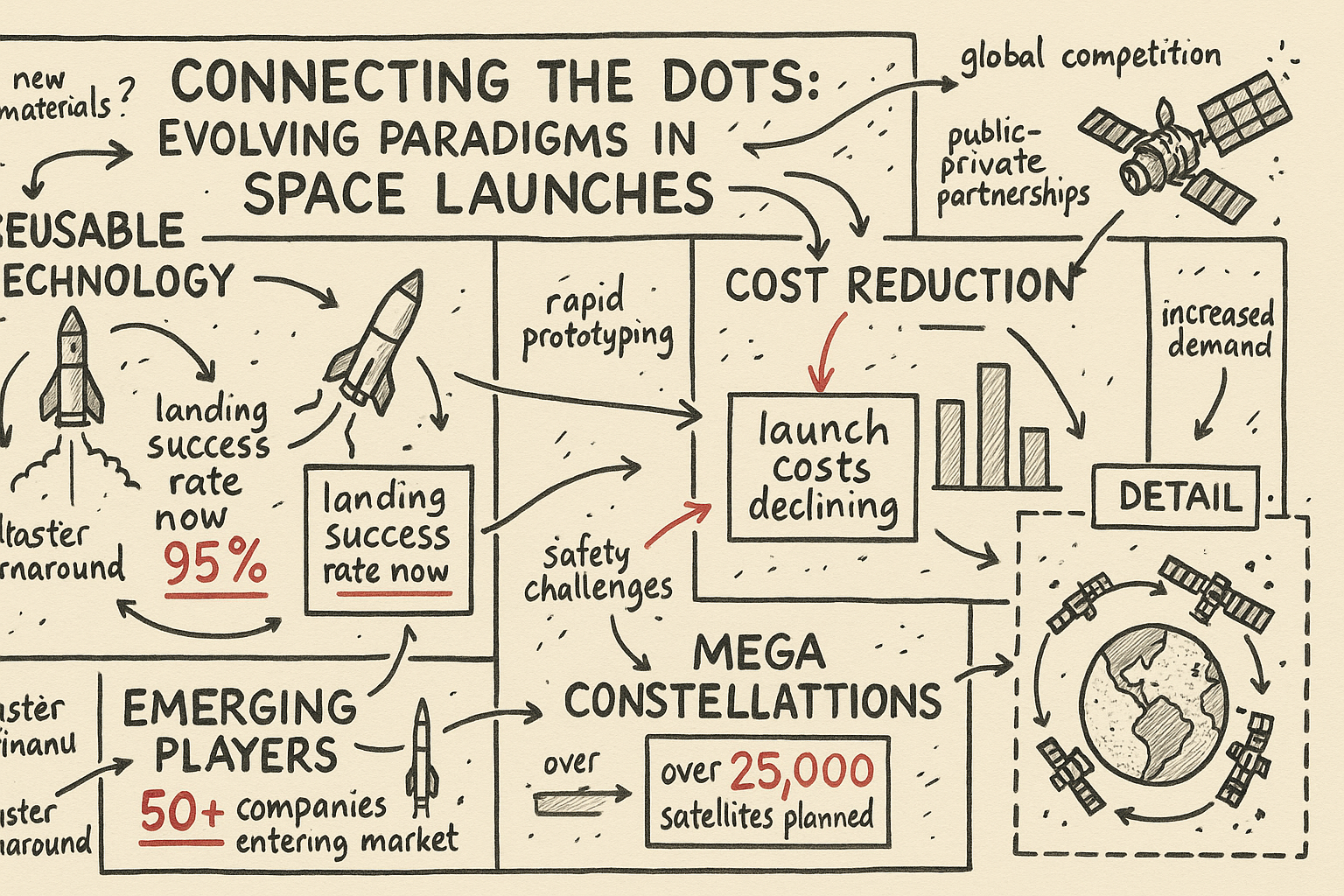
Historically, space launches have been monumental, singular events that often relied on extensive governmental support and traditional propulsion systems. However, the current trajectory of space exploration is characterized by a diversification of actors and propulsion methodologies. The Artemis 3 mission exemplifies this trend, with its reliance on both public and private sector capabilities, highlighting a shift toward collaborative frameworks.
In conjunction with this, a potential propulsion breakthrough is on the horizon. A new 2-in-1 propulsion system is set to undergo in-space testing, promising to revolutionize how we approach propulsion by integrating two distinct types of thrusters into a single system. This innovation could streamline spacecraft design and reduce costs, making space more accessible.
Such advancements are deeply intertwined with the concept of mass distribution, which plays a critical role in the engineering of spacecraft and satellites. As NASA's educational resources elaborate, mass distribution affects everything from the structural integrity of a rocket to the precision of its trajectory. Understanding this principle is crucial, as it influences the complex calculus behind launching and maintaining spacecraft in orbit.
Beyond propulsion and engineering, the need for precise navigation systems is another frontier. The proposal to use lasers in moon craters as a form of lunar GPS system reflects the growing necessity for accurate positioning technologies. As missions venture further into space, the ability to navigate with precision becomes paramount.
Surprisingly, these advancements are not solely technical but also reflect broader societal and environmental considerations. For instance, the use of space-based imaging to monitor Earth phenomena, such as the record-breaking heat wave across Europe, underscores the dual role of space technology in both exploration and Earth observation.
Looking ahead, the integration of these technologies and methodologies presents both opportunities and challenges. The successful execution of complex missions like Artemis 3 could set a new standard for collaboration between public agencies and private companies. However, it also raises questions about the sustainability and scalability of such partnerships.
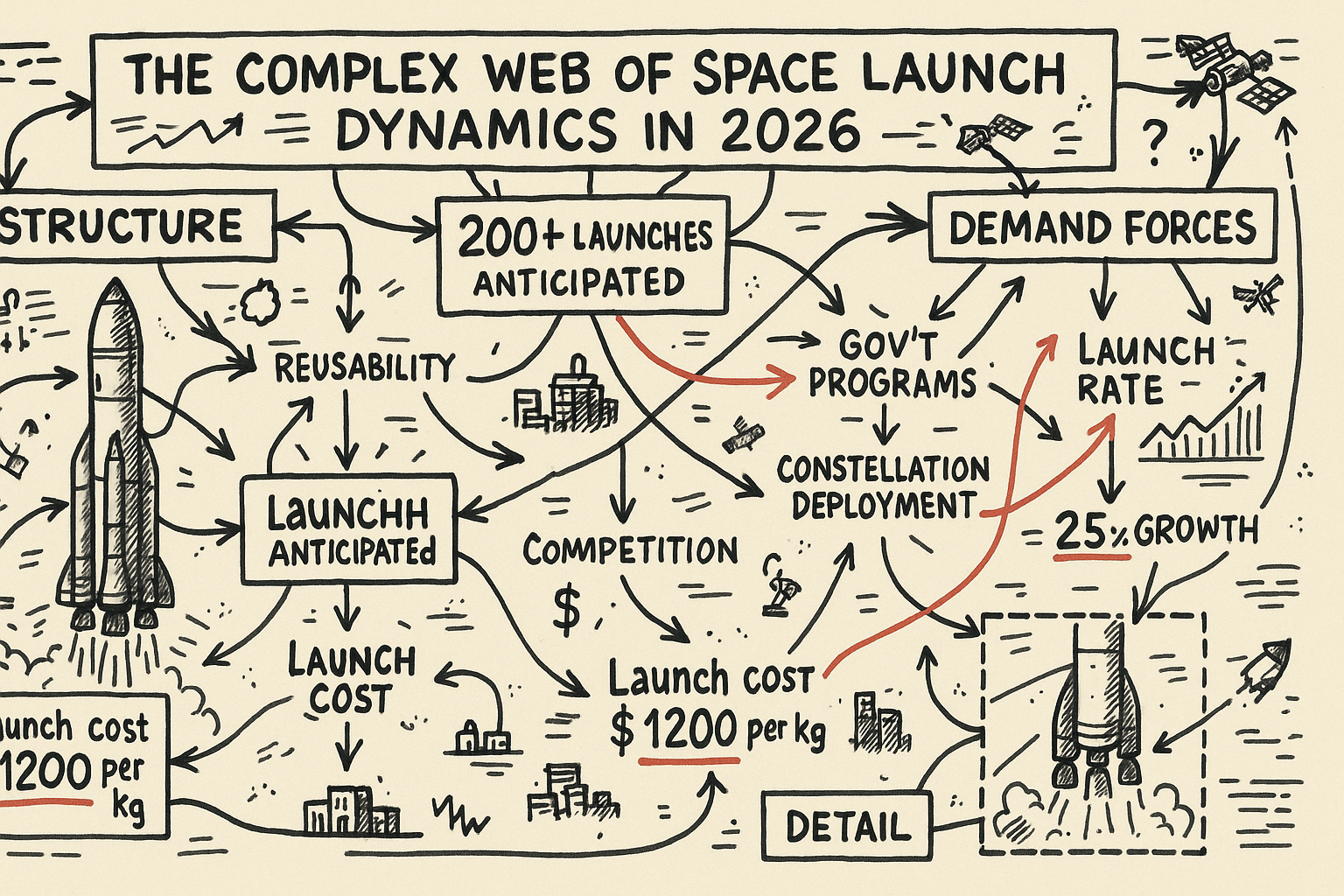
The future of space launches will likely hinge on our ability to harness new technologies, understand fundamental concepts like mass distribution, and foster collaboration across sectors. As we stand on the cusp of a new era in space exploration, the blend of innovation and tradition will be the key to unlocking the cosmos.