The realm of space launches is undergoing a transformative phase, characterized by a blend of traditional aerospace endeavors and innovative technological strides. The recent flurry of launch activities highlights a trend that points towards increased international collaboration, technological advancements, and the commercialization of space operations.
SpaceX's Rideshare Revolution
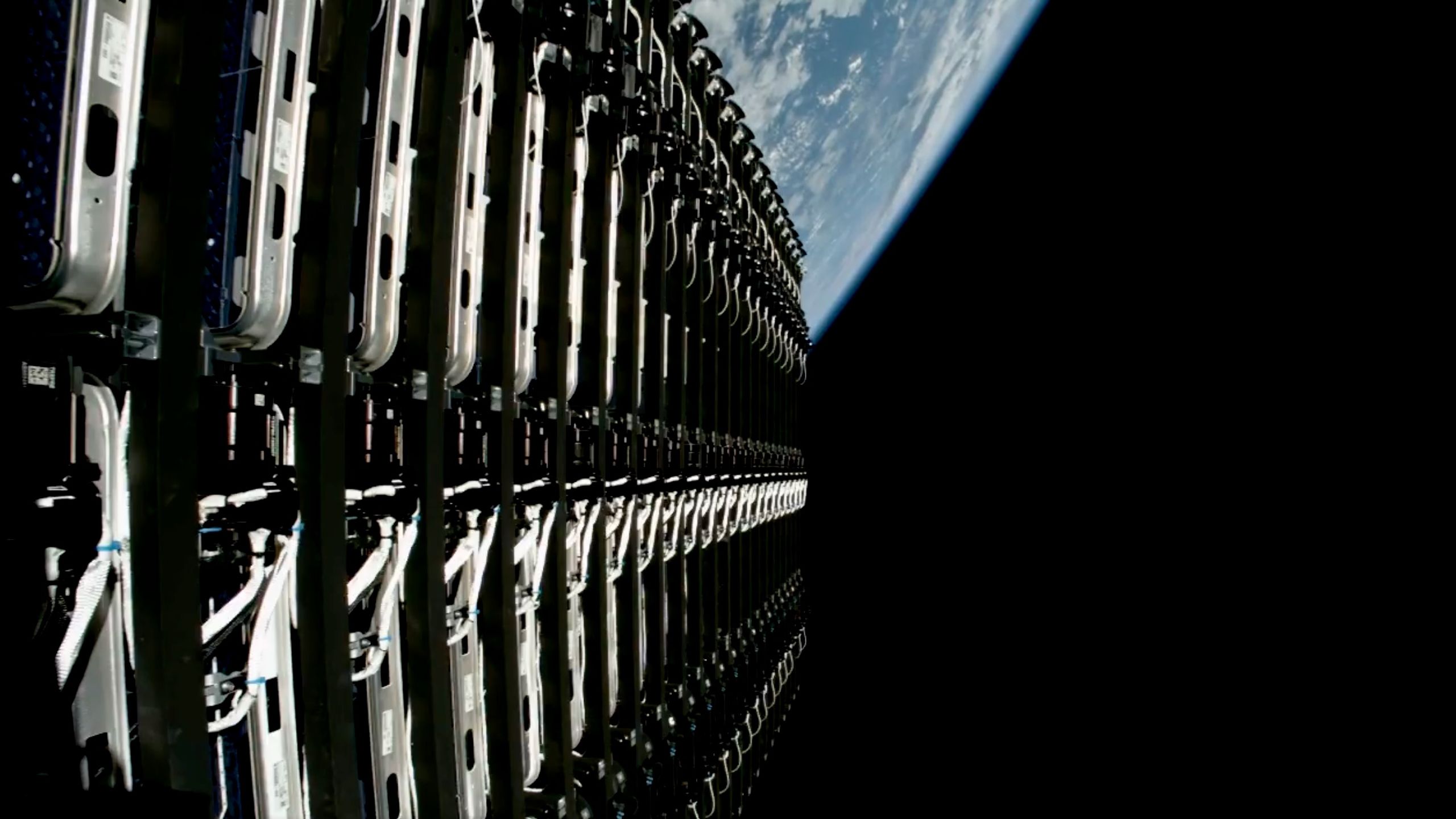
SpaceX, a frontrunner in commercial spaceflight, continues to redefine the norms of satellite deployment. The successful launch of the Transporter-17 mission from Vandenberg Space Force Base is a testament to SpaceX's capability to manage complex rideshare missions efficiently. By deploying 81 payloads, including four Canadian satellites, SpaceX demonstrates how rideshare missions can democratize access to space for smaller payloads and countries.
The Transporter-17 mission exemplifies the growing trend of rideshare launches, which allow multiple entities to share the cost and logistics of launching satellites. This model is particularly advantageous for smaller nations and private companies, enabling them to leverage high-powered rockets without the prohibitive costs associated with single launches.
International Collaborations and Infrastructure Development
The international dimension of space exploration is further emphasized by the collaboration between Canada and Germany. The agreement for Isar Aerospace to build a dedicated launch complex at Spaceport Nova Scotia highlights a strategic partnership that benefits both nations. This collaboration not only boosts Canada's aerospace infrastructure but also provides Germany with a strategic foothold in North American launch operations.
Such partnerships are indicative of a broader trend where nations pool resources and expertise to enhance their capabilities. The development of dedicated launch sites is crucial for supporting the increasing frequency and variety of launch missions.
Technological Innovations and Future Prospects
Technological advancements are at the core of the evolving space launch landscape. For instance, NASA's funding for the 'Skyfall' Mars helicopter mission signifies a bold step in exploring new modalities of planetary exploration. The deployment of helicopters on Mars could revolutionize surface exploration, offering unprecedented access to diverse terrains.
Furthermore, MDA Space's contract with the Canadian Space Agency to build a RADARSAT replenishment satellite underscores the importance of sustained Earth observation capabilities. The integration of new satellites into existing constellations ensures continuous monitoring of our planet, which is vital for environmental and security applications.
These technological strides are complemented by infrastructure enhancements, such as the upgrade of the Sardinia Deep Space Antenna by Telespazio. Such improvements are critical for supporting deep space missions, enhancing communication, and data relay capabilities.
Surprising Insights and Future Implications
One surprising insight is the way smaller countries are increasingly influencing global space dynamics through strategic collaborations and technological contributions. Canada's active involvement in multiple international projects, from satellite deployments to infrastructure development, illustrates this trend.
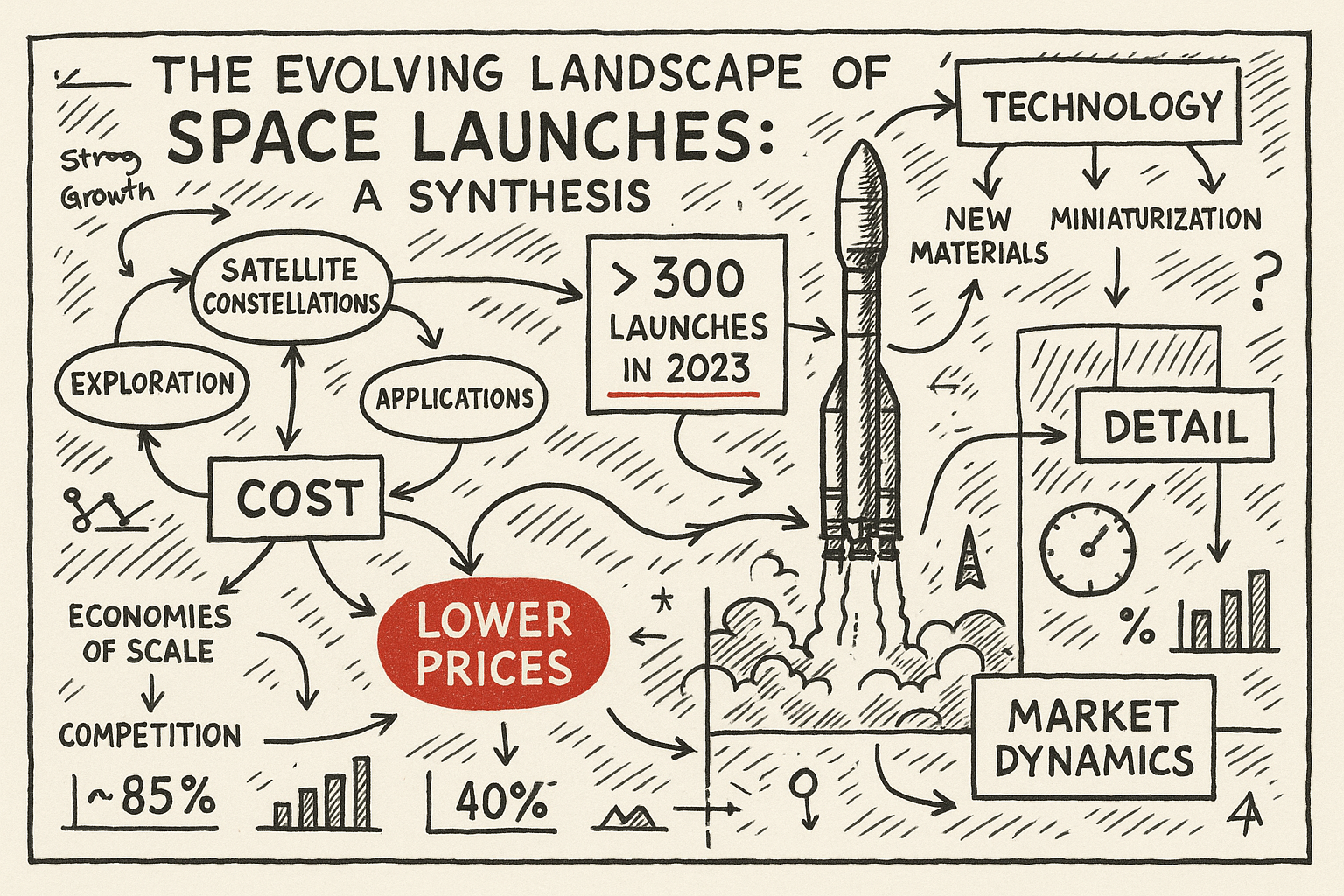
Looking ahead, the landscape of space launches will likely become more diverse and competitive. The involvement of new players and the development of innovative technologies will drive down costs and increase accessibility, potentially leading to a new era of space exploration that is more inclusive and sustainable.
In conclusion, the current trajectory of space launches is marked by a blend of collaboration, innovation, and commercial opportunity. As nations and companies continue to push the boundaries of what is possible, the future of space exploration looks promising, with the potential to unlock new opportunities for scientific discovery and economic growth.