NASA announced a suite of awards and mission updates at the MAX POWER aerospace expo at Kennedy Space Center on Saturday, Nov. 7, 2026, advancing its Moon Base campaign for the lunar South Pole.
The agency awarded six task orders under its Venture‑Class Acquisition of Dedicated and Rideshare (VADR) contract worth a combined approximately $1.3 billion to support cargo transfer and orbital logistics between Earth and the Moon. The VADR awards, described by Moon Base Program Manager Carlos García‑Galán during the MAX POWER briefing, are intended to demonstrate orbital transfer vehicle (OTV) capability, verify deep‑space communications and navigation, and prep for surface deliveries.
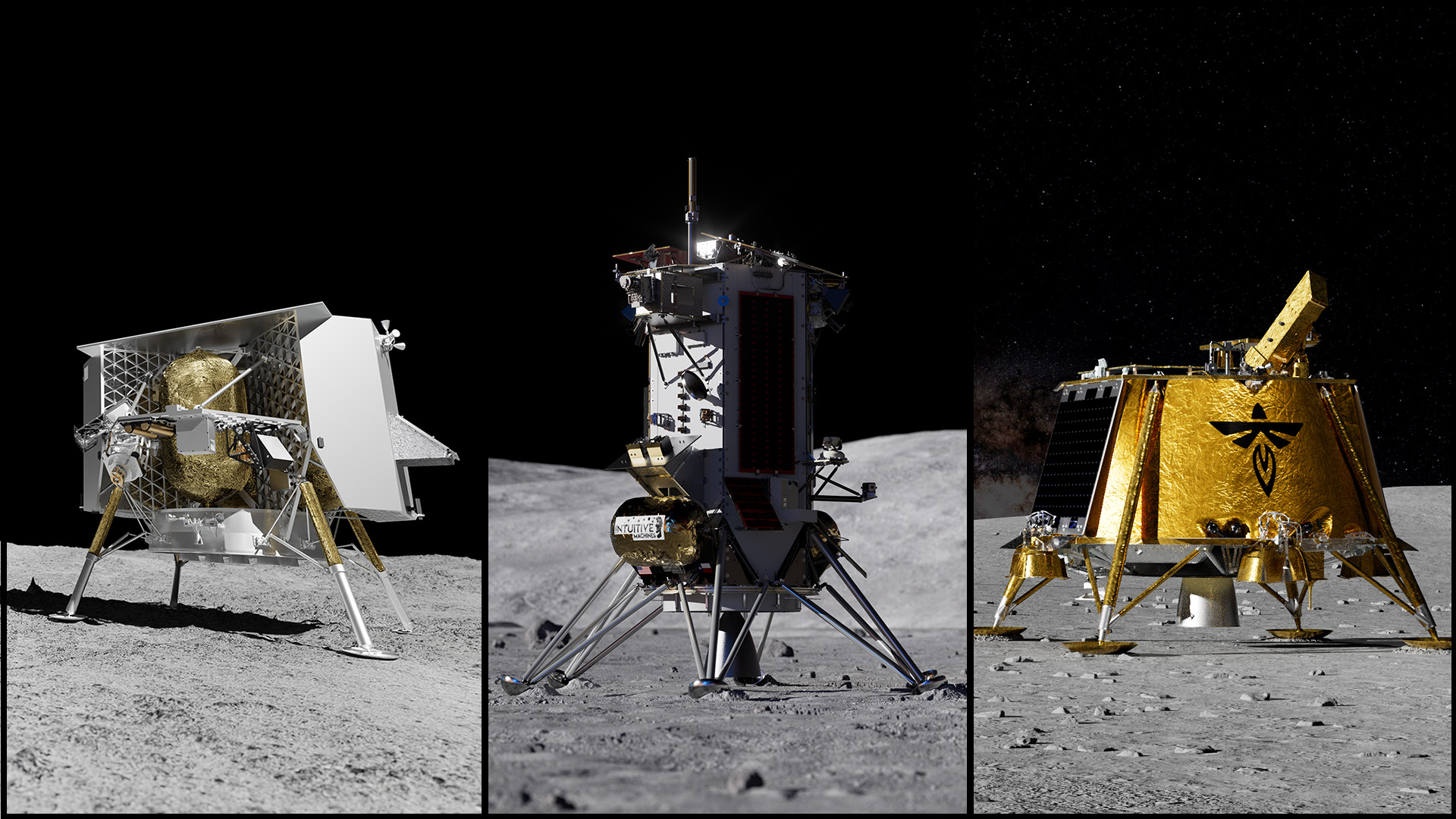
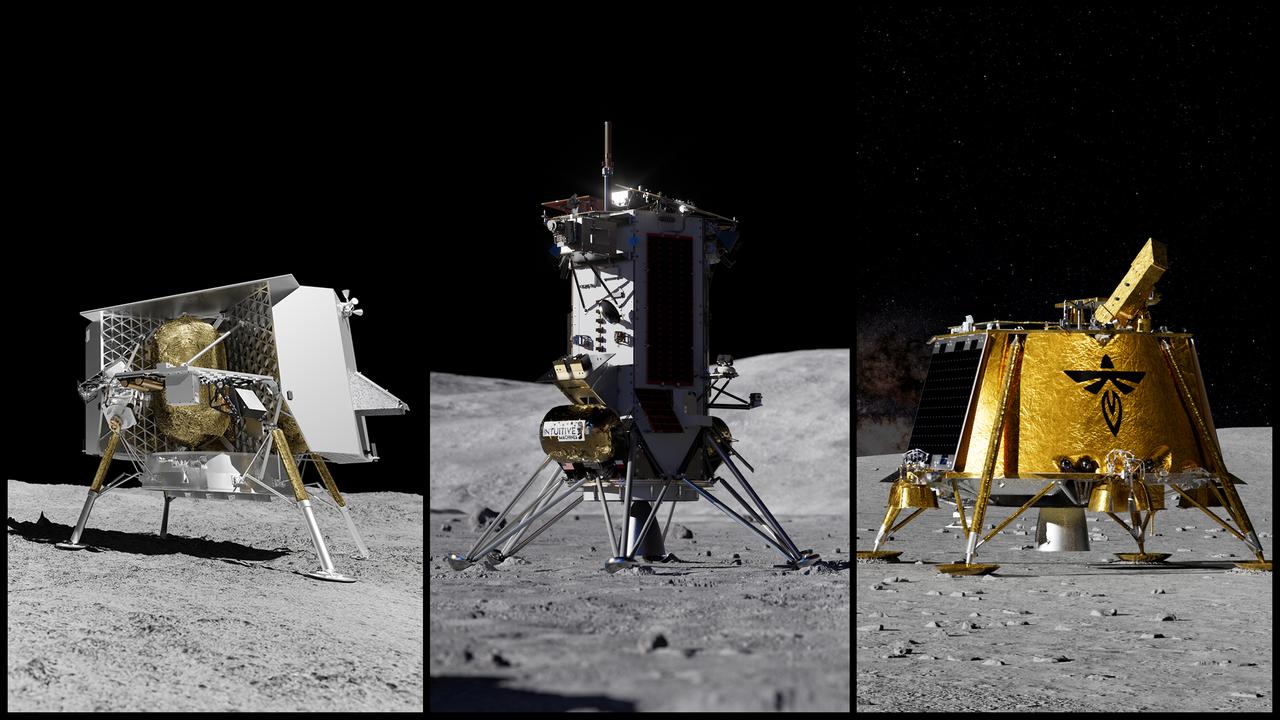
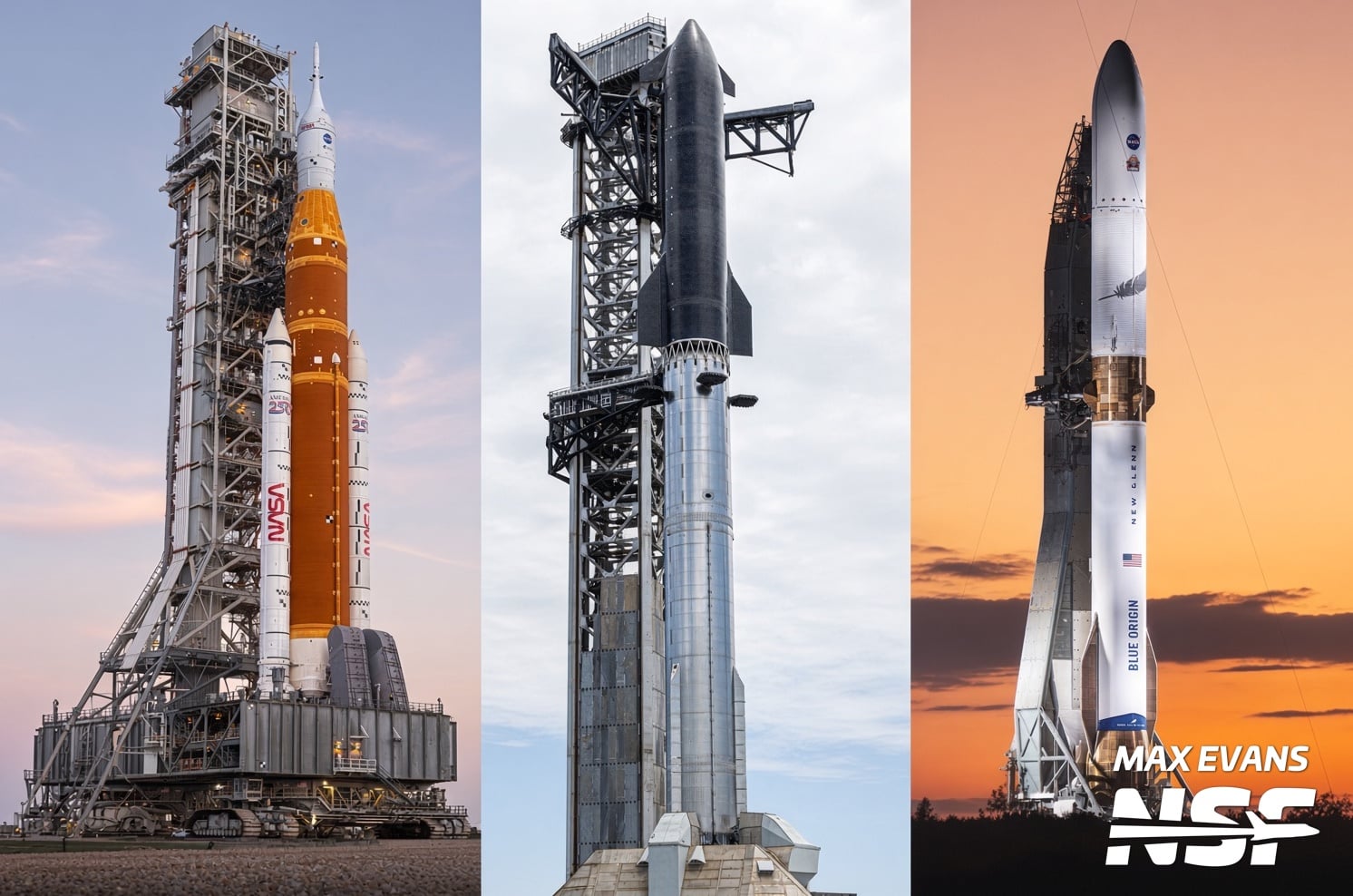
NASA also selected eight companies to compete under a new CLPS 2 (Commercial Lunar Payload Services) master contract — a 10‑year, multiple‑award, indefinite‑delivery/indefinite‑quantity framework with a combined maximum value of $10 billion. The companies named are Blue Origin, Firefly Aerospace, Intuitive Machines, ispace‑U.S., Lockheed Martin, Northrop Grumman, SpaceX, and Voyager Technologies. NASA increased the value of the existing CLPS 1.0 contract from $2.6 billion to $4.2 billion to support initial Phase One Moon Base goals; CLPS 1.0 will remain in effect through November 2028 with a five‑year performance window extending through November 2033.
ispace‑U.S. will compete as a prime for the first time with its ULTRA lander, which combines U.S. and Japanese design elements and can carry roughly 200 kg of payload. Voyager Technologies, which acquired Astrobotic in July, and Northrop Grumman are new to the CLPS vendor pool.
On science and surface infrastructure, NASA greenlit the Polar Rover for Observation, Mapping, and In‑Situ Exploration (PROMISE). Managed by JPL, PROMISE is a six‑wheeled, nuclear‑powered rover built from spare flight components and engineering test models of Curiosity and Perseverance. The rover will carry a drill to sample regolith to about 1 meter, spectrometers, temperature and radiation sensors, visible cameras, a next‑generation radiation‑tolerant High Performance Spaceflight Computing system, and advanced autonomy sensors and algorithms. PROMISE is designed to operate through lunar nights and inside permanently shadowed regions to characterize ice and help select landing sites.
NASA officials said PROMISE is expected to cost under $400 million for the rover and instruments; JPL will manage the mission and provide the ride to the Moon. Blue Origin received a $94 million base task order to land PROMISE on its Mark 1 lander, with a $140 million option tied to performance. NASA is targeting a late‑2028 launch and an 18‑month nominal mission for PROMISE.
At the briefing, NASA Administrator Jared Isaacman framed the announcements as scaling the agency’s purchasing approach to support many missions: “When you’re trying to scale up to what we’re talking about today, you want to have the flexibility to move pieces around,” he said, contrasting the new VADR and CLPS 2 approaches with the earlier CLPS model. García‑Galán added that the agency has consolidated efforts into a streamlined Moon Base program and is taking action by awarding new contracts and partnerships to accelerate development.
The suite of awards covers transportation, science, and surface infrastructure elements needed to build out the first elements of a sustained presence at the lunar South Pole, and includes demonstration missions to test communications, navigation, OTV performance, and surface operations prior to crewed missions planned for the late 2020s.