The European Commission has proposed dividing the upcoming 2 GHz proceeding into three equal parts, European Commission head of unit for Space Policy Maria Fernández Molinero said at Space Tech Expo Europe on 23 November 2026. One third would be reserved for an EU operator serving government, security and military uses, to be integrated with the IRIS² programme. The remaining two thirds would go to commercial use, split equally between new EU operators and EU and non‑EU operators.
Industry speakers framed spectrum as strategic leverage in the race for Low‑Earth Orbit (LEO) direct connectivity. “Spectrum is power,” said Etienne Lesoeur, international affairs director at Eutelsat, pointing to recent market moves. He cited Eutelsat’s merger with OneWeb as driven in part by priority spectrum filings: buying an existing constellation, he said, secured priority filings above Starlink rather than starting a new filing process.
Andy Walker, head of satellite and space at TTP plc, suggested that mass‑market direct-to-device (D2D) service will demand robust spectrum holdings, while lower‑volume use cases might exploit less costly spectrum more efficiently.
Sandro Scalise, head of the satellite networks department at the German Aerospace Centre (DLR), singled out technical fragmentation in past European arrangements. Earlier frameworks, he said, suffered from inconsistent technical definitions across administrations; a concept such as a “complimentary run component” was interpreted differently. The new 2 GHz proposal attempts clearer definitions and delineation of operators. Scalise acknowledged, however, that ambiguity remains over whether “European operator” refers strictly to firms based on the continent or to those willing to establish operations there.
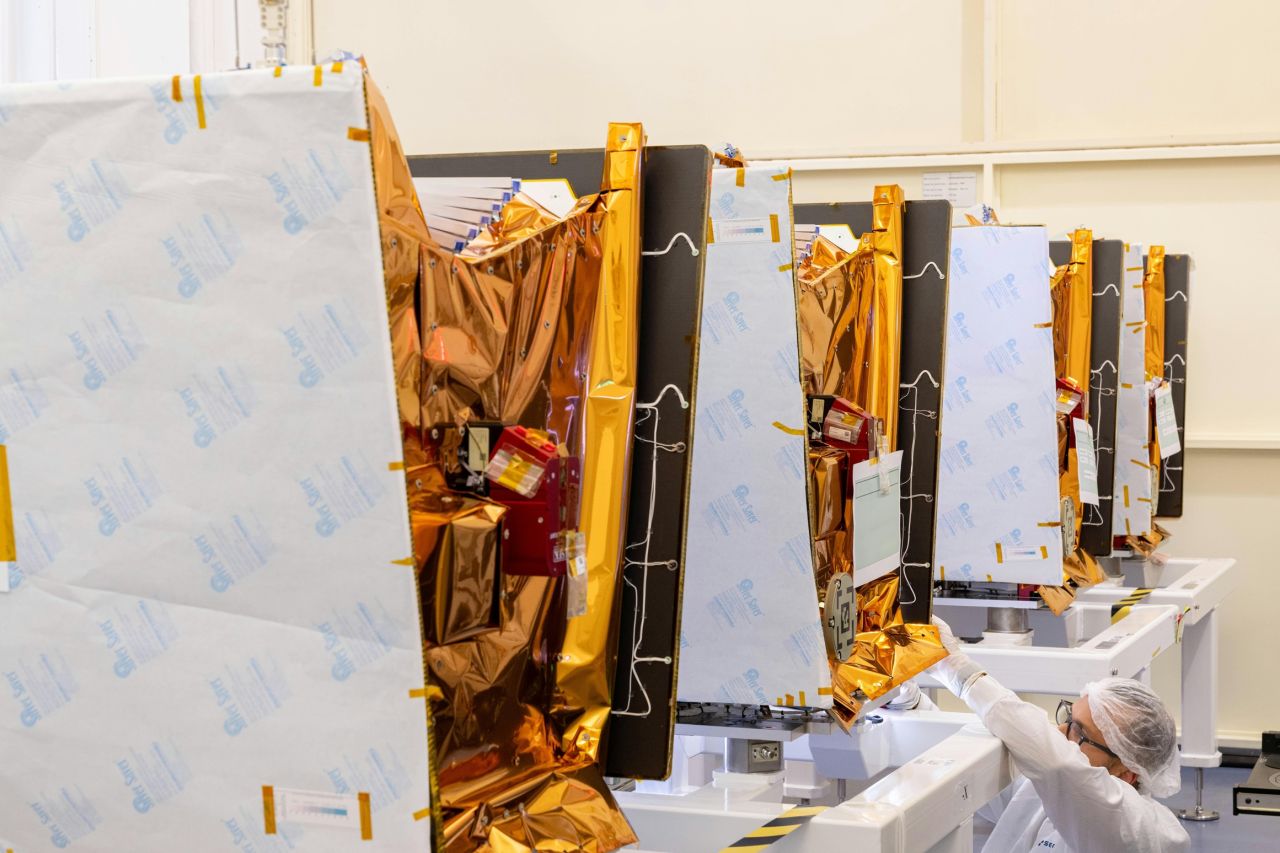
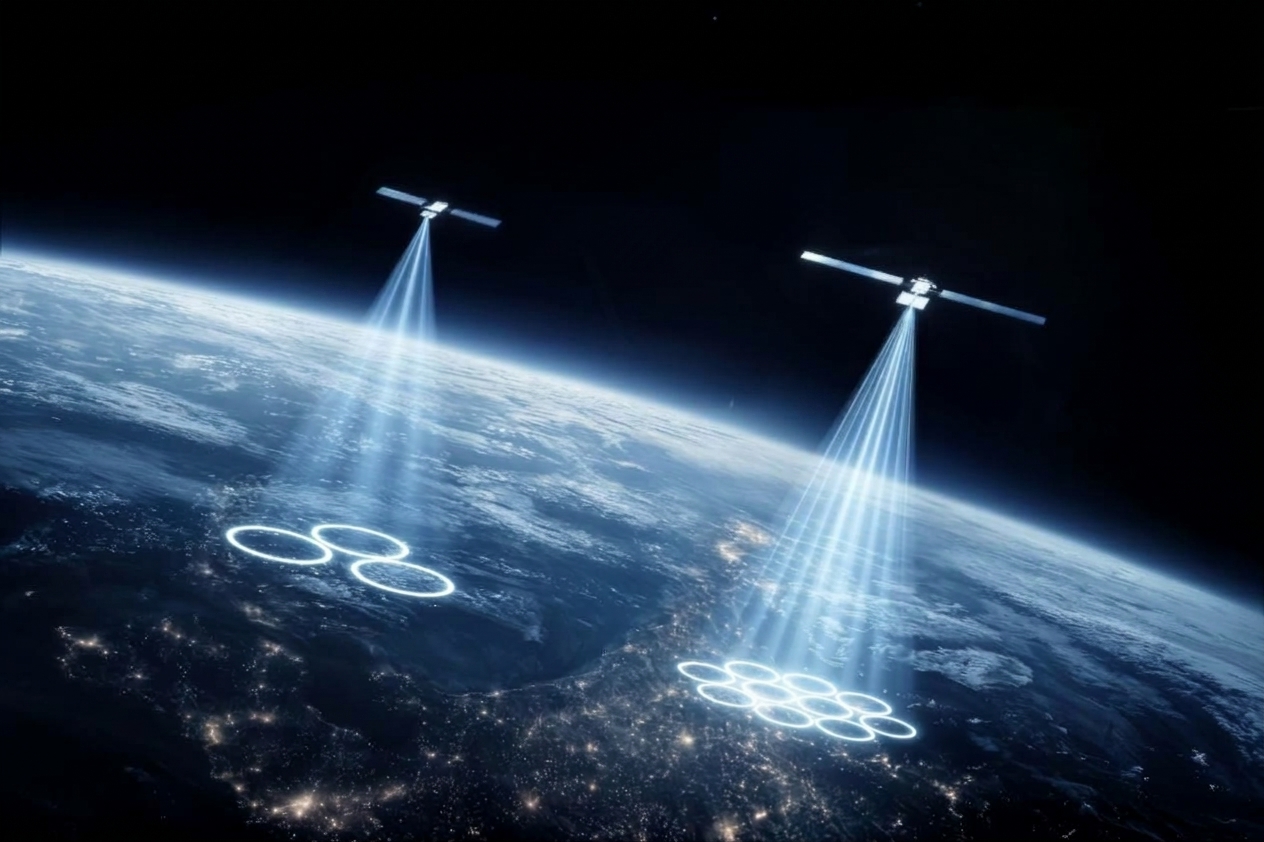
On scale and affordability, Scalise estimated that a constellation of 500–600 satellites would be a “usual size to start something meaningful” and could provide capacity complementary to terrestrial networks. He cautioned that specifications running into the mid‑thousands of satellites risk being unrealistic, and said Europe could likely only afford one D2D constellation. For comparison, SpaceX has told U.S. regulators it may operate up to 15,000 direct-to-cell satellites, as NovΔ mAInd reported in our coverage of Deutsche Telekom CEO Tim Höttges's remarks on Starlink Mobile. In that earnings call on Nov. 5, Höttges noted that SpaceX has acquired 76 megahertz of spectrum, against 400 megahertz held by Deutsche Telekom's parent company.
Commercial mobile operators are already moving. Four European telcos have joined to pursue a shared platform for D2D access in Europe. As NovΔ mAInd reported in our analysis of the telco alliances, Deutsche Telekom, Orange, Telefónica and Vodafone signed a letter of intent in October 2026 to pursue a joint mobile satellite service (MSS) D2D spectrum allocation.
Jan‑Hendrik Jochum, vice president of spectrum and satellite policy at Deutsche Telekom, said the company wants to accelerate a European D2D constellation in partnership with a suitable satellite provider. Regulators, he said, should enable industry rather than prescribe solutions. He also warned against allowing a single non‑European provider to dominate, citing Starlink as currently the only potential provider in some eyes.