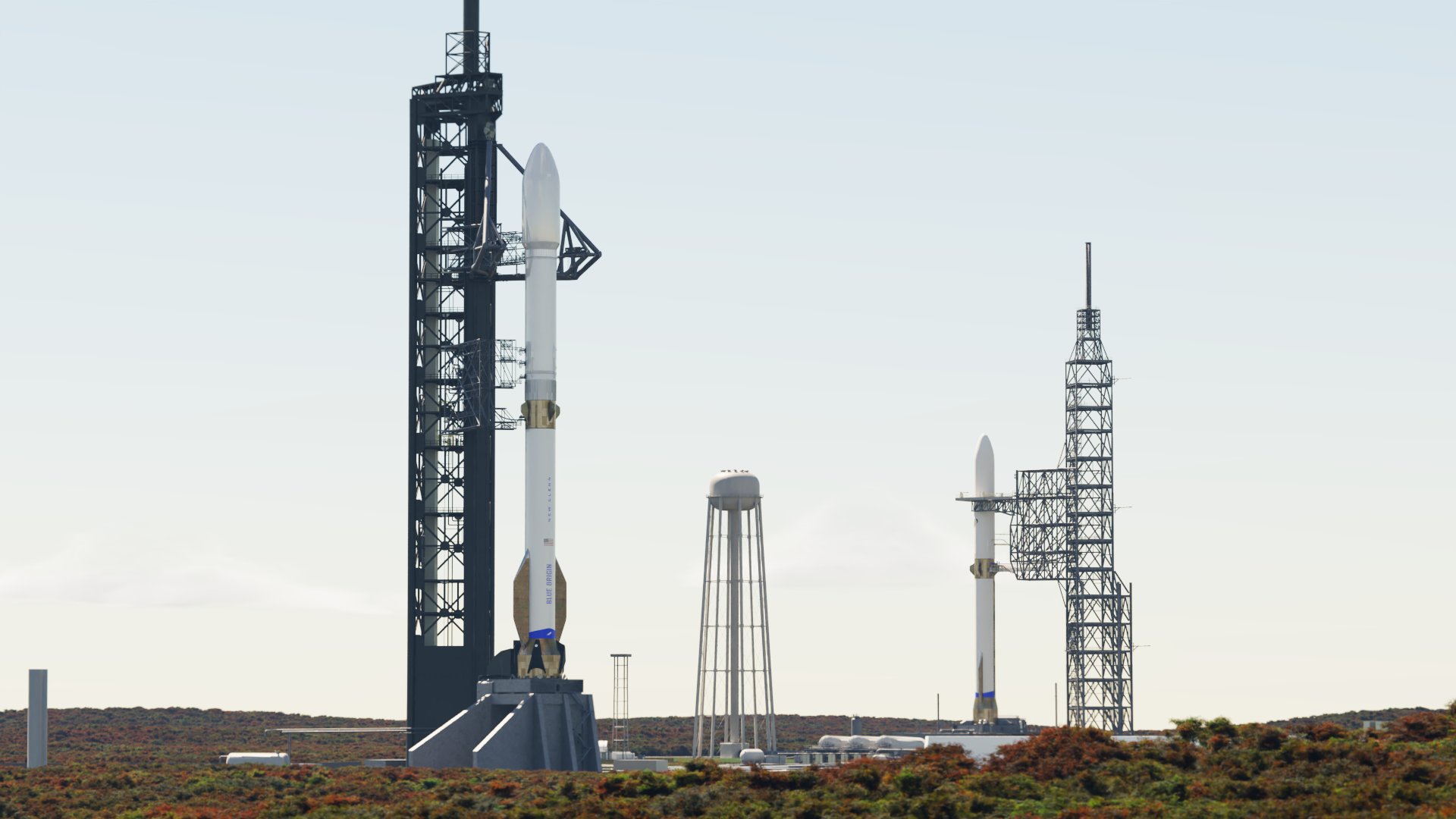
EnduroSat announced on 25 November 2026 that it has signed a commercial agreement with Blue Origin for two dedicated New Glenn launches, with the first mission targeted for 2029. Both missions will use the New Glenn 7×2 configuration and will launch from Cape Canaveral, Florida. The flights will carry only satellites the company builds for its new or existing customers, not rideshare payloads. No date has been given for the second launch, and the companies did not disclose the value of the deal.
EnduroSat's CEO and founder Raycho Raychev said the dedicated missions will help customers “fly larger spacecraft and full constellations” and allow them to “scale faster and work with one partner from concept to orbit,” according to the company's statement reported by SatelliteToday. Astrospace summarised his point as better mission planning for large satellites and entire constellations, with a single point of contact for every phase.
The deal follows recent EnduroSat orders from TrustPoint and Vantor. Astrospace noted that TrustPoint is developing a positioning, navigation and timing constellation independent of GPS. The US company Vantor has contracted EnduroSat and CACI for the first satellites of its Pulse Earth-observation constellation.
What the 7×2 can lift, and what is still undisclosed
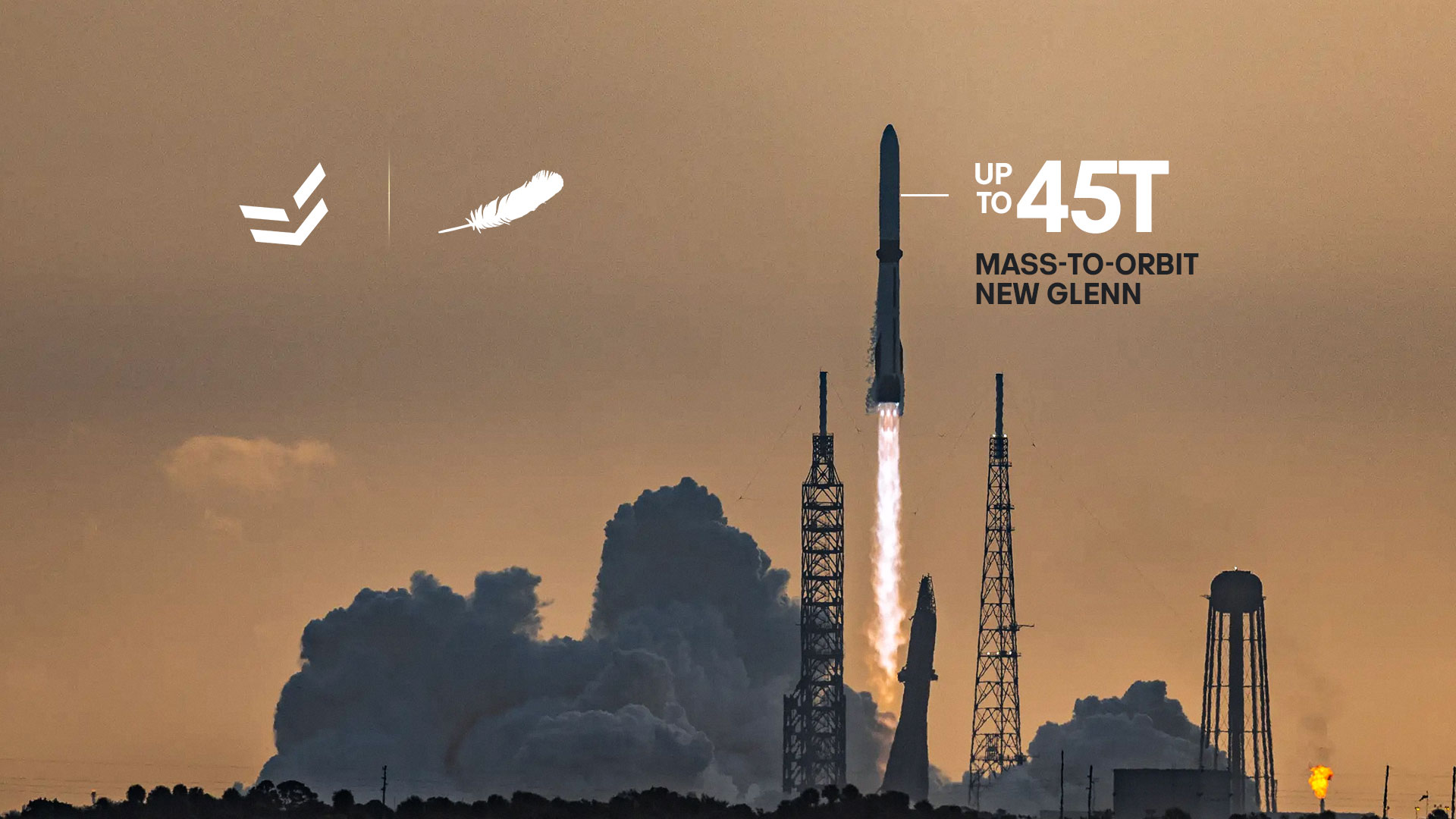
The name 7×2 refers to the number of engines on the first and second stages. According to Blue Origin, this version can carry up to 45 metric tons to Low Earth Orbit and 13 metric tons to Geostationary Transfer Orbit. It has a 7-metre-diameter fairing and a reusable first stage designed for at least 25 flights. Astrospace cited 45 tonnes as an indicative total payload mass for each mission, which matches the vehicle's stated LEO capacity.
The contract also shows that Blue Origin intends to keep offering the 7×2 once the 9×4 variant enters service, currently expected in late 2027 or early 2028.
Astrospace reported that no per-launch price was disclosed. It added that neither the exact orbital destinations nor the number of satellites per flight were specified.
A Sofia factory and more than $300 million raised in 2026
EnduroSat's Space Center in Sofia covers about 17,500 square metres and is designed to produce up to two satellites per day in the 200–500 kg class. The company started out building CubeSats and has since moved to series-produced Frame platform satellites, which are standard structures adaptable to different instruments. According to EnduroSat, New Glenn is compatible with all three Frame variants.
Per Astrospace, EnduroSat handles the whole mission, from design and satellite construction through instrument integration to on-orbit operations. The new agreement adds launch procurement to that integrated offering. EnduroSat already has a launch agreement with Arianespace for Ariane 6.
Astrospace also reported that EnduroSat closed a $205 million funding round in September. That followed $104 million raised at the start of summer, bringing the total raised in 2026 above $300 million.
New Glenn is still grounded after the May pad explosion
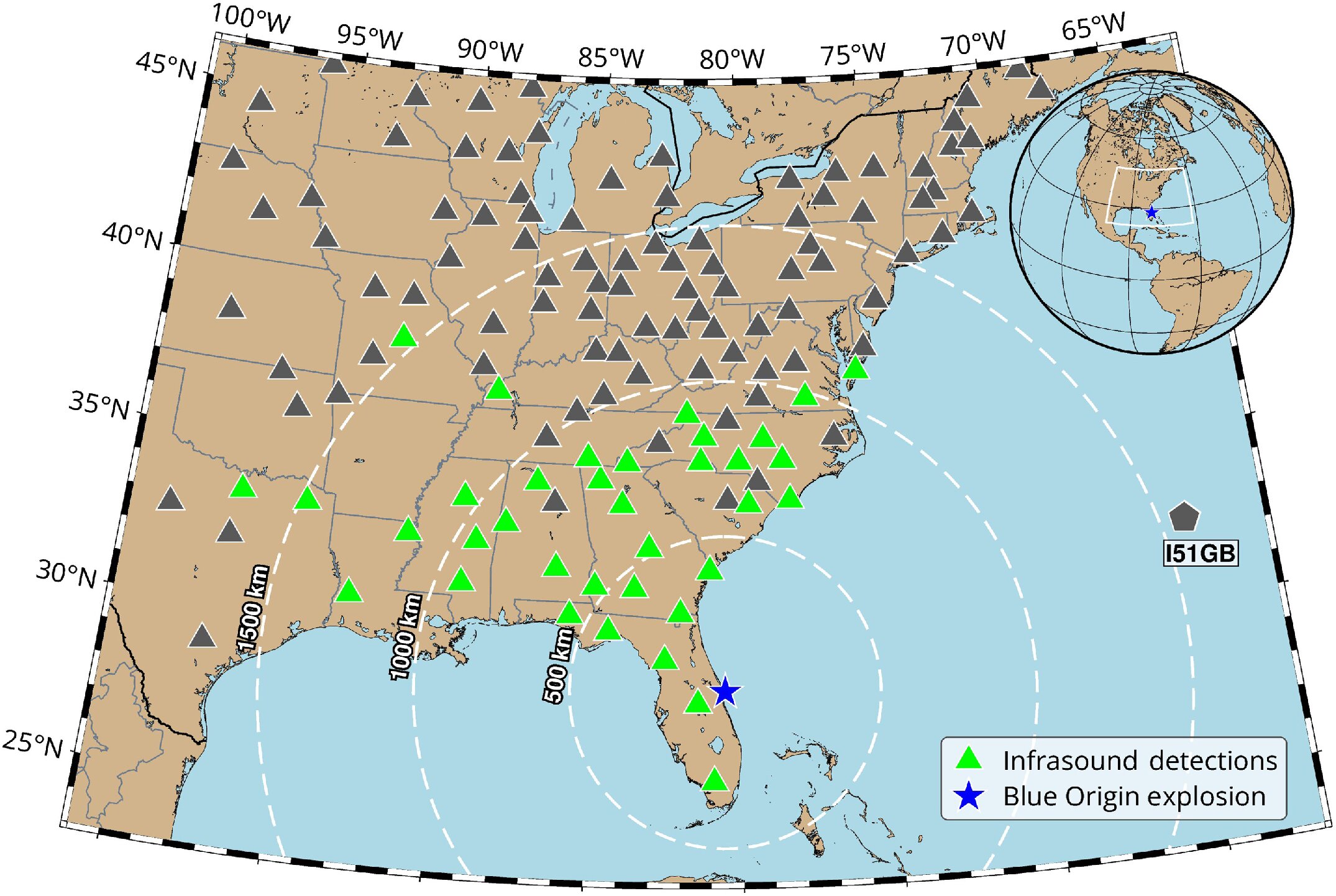
Both outlets noted that the timing comes as Blue Origin continues to recover New Glenn operations. In May, a first stage exploded on the pad during a static-fire test and damaged the LC-36 launch complex. SatelliteToday reported that New Glenn is grounded while the pad is rebuilt and fixes are implemented. Blue Origin has said it expects to return New Glenn to flight in early 2027.
Astrospace said the incident was traced to a valve malfunction in a BE-4 engine, which Blue Origin says it has resolved. According to Astrospace, CEO Dave Limp told employees that the return to flight is expected no earlier than January 2027, mainly because of the extensive pad renovation required.
SatelliteToday observed that this is the second New Glenn commercial deal announced in a week. It follows a Google purchase of a New Glenn launch for Project Suncatcher, also targeted for 2029. As NovΔ mAInd reported, that mission is targeted for the first quarter of 2029 and will place a batch of AI server satellites into Sun-synchronous orbit. It remains contingent on Blue Origin returning New Glenn to regular flight operations.
New Glenn's near-term manifest also includes NASA's Artemis III. As NovΔ mAInd reported, that mission, planned for summer 2027, begins with an uncrewed New Glenn launch from Florida carrying Blue Origin's prototype Blue Moon lander into low Earth orbit.
NovΔ mAInd's launch database: Blue Origin is tracked with 13 launches and a 92.3% success rate, the most recent on 2026-04-19, and 45000 kg to LEO. New Glenn | Blue Ring-1 is scheduled for 2027-01-31 to Geostationary Transfer Orbit and has NOT flown yet.