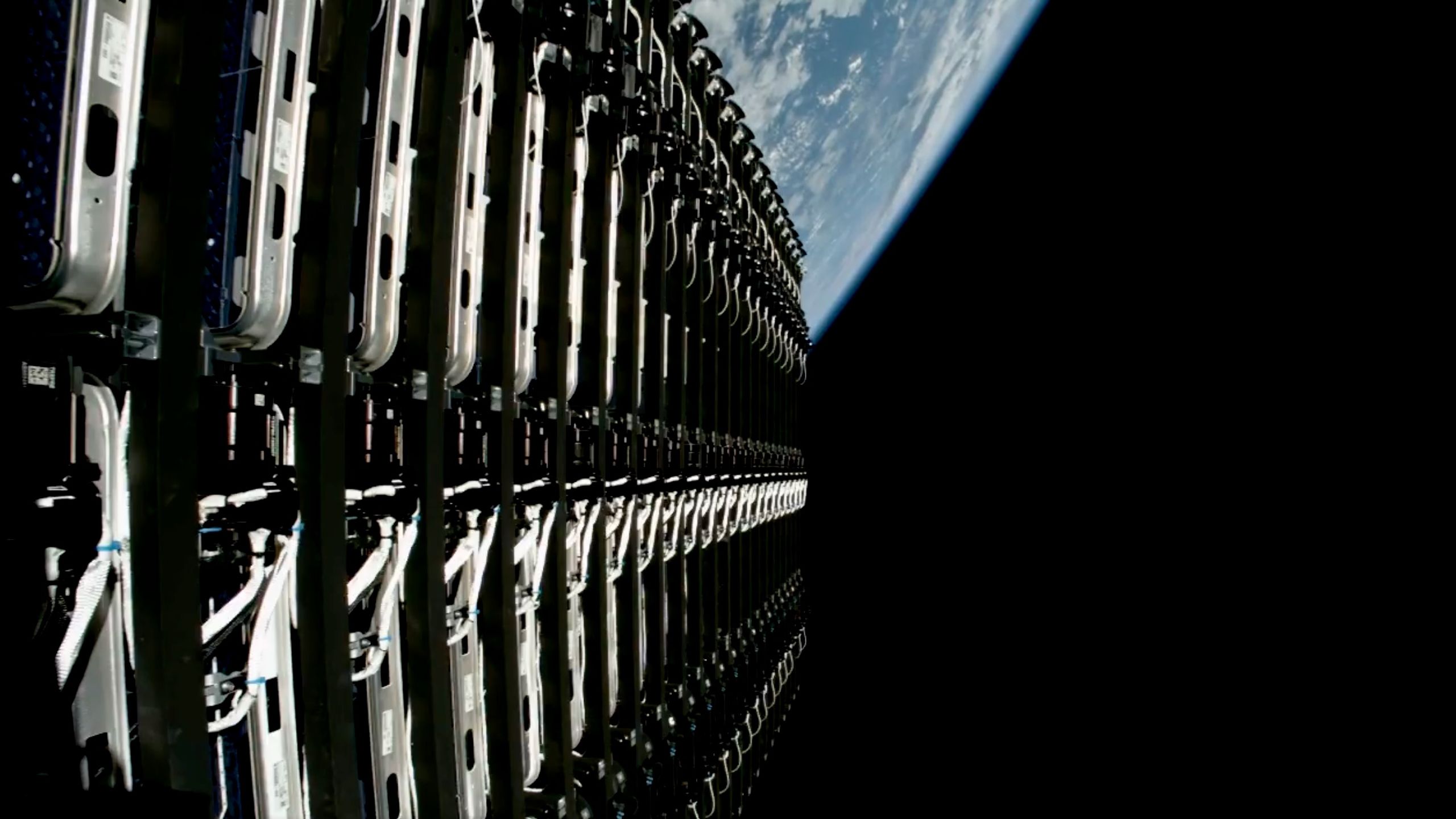
Orbital data centers are emerging as a potential frontier in space technology, with particular attention stemming from SpaceX's initial public offering (IPO) documents. This innovative concept of relocating compute tasks to space involves operating data centers in Earth's orbit to potentially improve data management and accessibility on a global scale. However, these ambitious endeavors are not without their challenges.
Technical and Operational Challenges
One of the primary technical challenges faced by orbital data centers is the lifespan of chips. In the harsh environment of space, chips are subjected to radiation and thermal extremes that can significantly reduce their operational life compared to terrestrial counterparts. This necessitates the development of specialized chips that can withstand these conditions while maintaining reliability and efficiency.
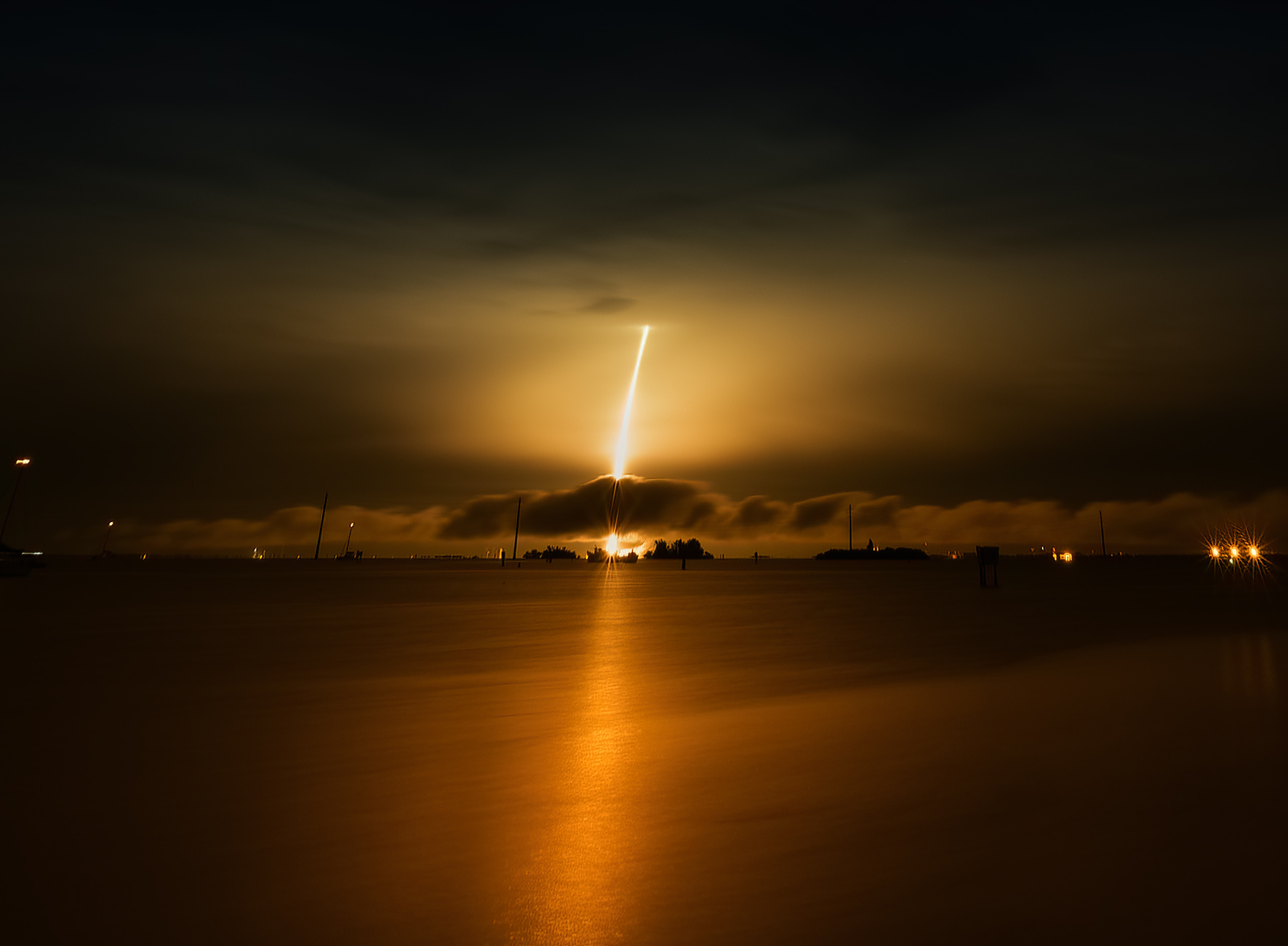
Furthermore, launch availability poses another substantial hurdle. The logistics of launching and maintaining data centers in orbit require careful planning and coordination, not to mention the costs associated with repeated launches for maintenance and upgrades. The availability of suitable launch vehicles and windows plays a critical role in determining the feasibility and scalability of these projects.
Cybersecurity Concerns
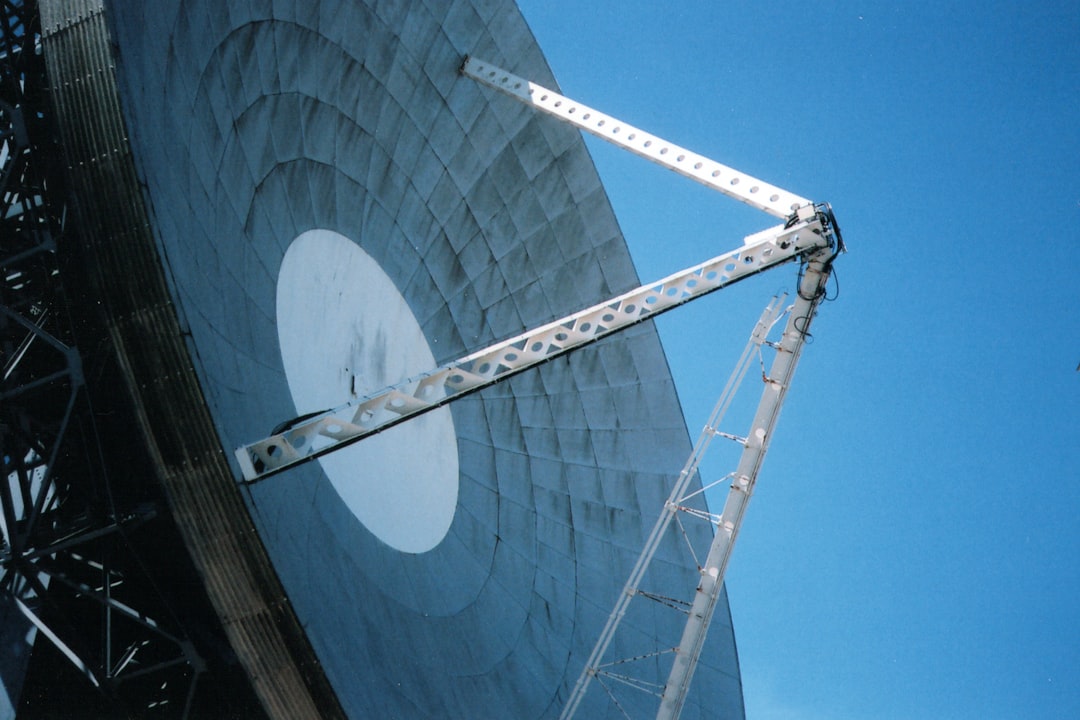
Cybersecurity is another pressing issue for orbital data centers. As these centers would manage potentially sensitive data, they become attractive targets for cyber-attacks. Ensuring robust cybersecurity measures is essential to protect data integrity and confidentiality. This involves not only securing the data centers themselves but also safeguarding the communication links between space-based and ground-based systems.
Potential Benefits
Despite these challenges, the deployment of orbital data centers offers several potential benefits. By moving data storage and processing to orbit, there is a possibility of reducing latency for data transmission, especially in underserved regions where terrestrial infrastructure is lacking. This could lead to more equal access to data and digital services globally.
Additionally, the strategic positioning of data centers in orbit could enhance disaster recovery capabilities. In the event of a natural disaster on Earth, having data centers in space could ensure the continuity of critical data services, providing a layer of resilience that terrestrial systems might not offer.
Outlook and Future Prospects
As the interest in orbital data centers grows, driven by major industry players like SpaceX, addressing these challenges will be crucial for their success. Continued advancements in space technology, chip engineering, and cybersecurity are needed to realize the full potential of this concept.
In conclusion, while orbital data centers present exciting opportunities for global data management and accessibility, they must overcome significant technical, logistical, and security challenges. The coming years will be pivotal in determining how these challenges are met and whether the promise of space-based computing becomes a mainstream reality.