The realm of space science is witnessing unprecedented developments as global entities and technological advancements propel humanity towards new cosmic frontiers. From the ambitious endeavors of NASA and China regarding lunar exploration to the groundbreaking potential of the Nancy Grace Roman Space Telescope, the trajectory of space science is both expansive and multifaceted.
Revolutionizing Lunar Exploration
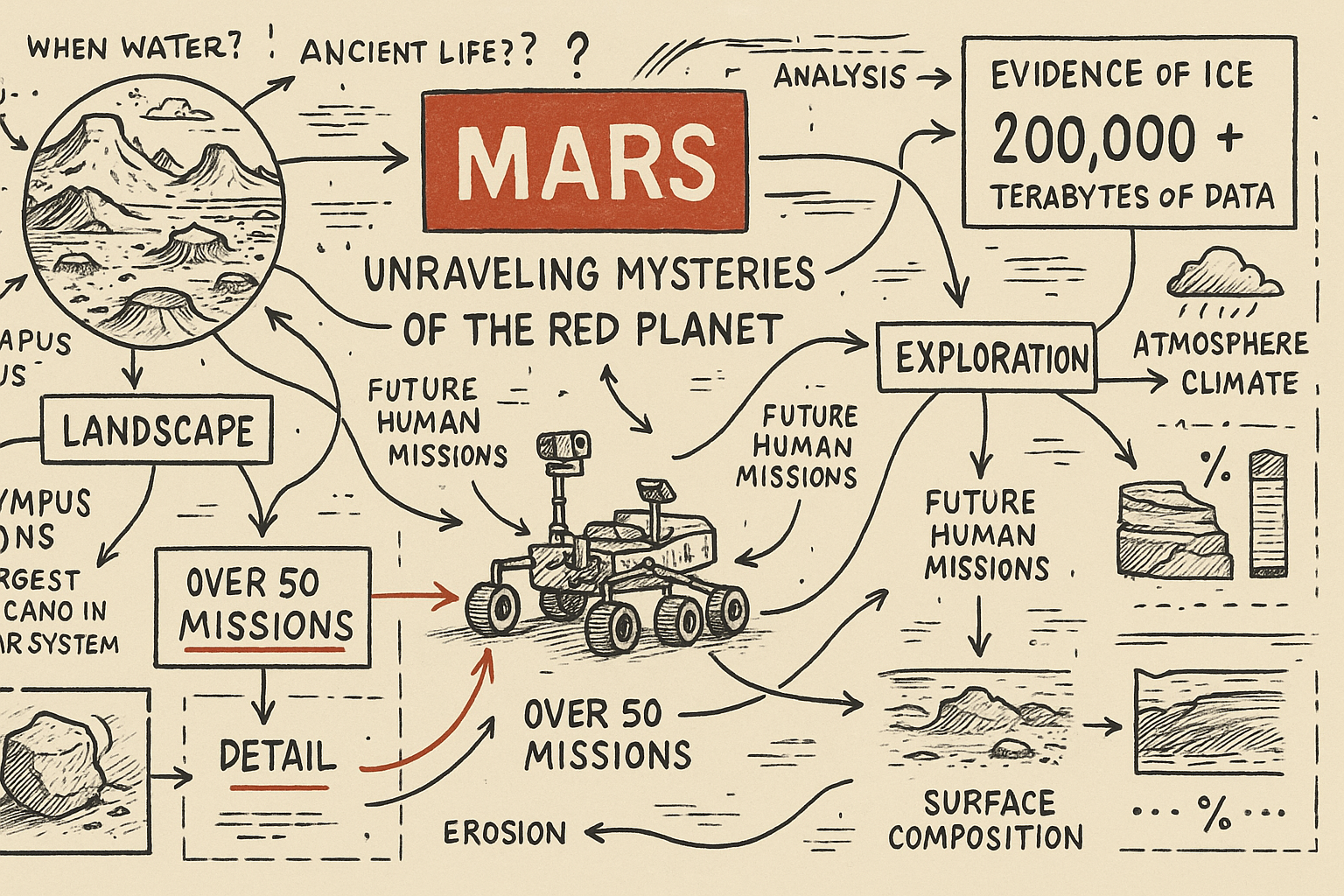
NASA's commitment to establishing a permanent presence on the Moon, as part of the Artemis program, underscores a pivotal shift in how we perceive our relationship with Earth's celestial neighbor. The introduction of new rovers, landers, and drones specifically designed for the lunar South Pole signifies NASA's strategic focus on creating a sustainable lunar base. This initiative is not merely a scientific endeavor but a preparatory step for more ambitious manned missions to Mars.
Meanwhile, China's successful launch towards its first Moon landing highlights a significant milestone in its space program. This move not only solidifies China's role as a major player in space exploration but also accelerates the race for lunar resources and strategic footholds.
Exoplanetary Discoveries Beyond Imagination
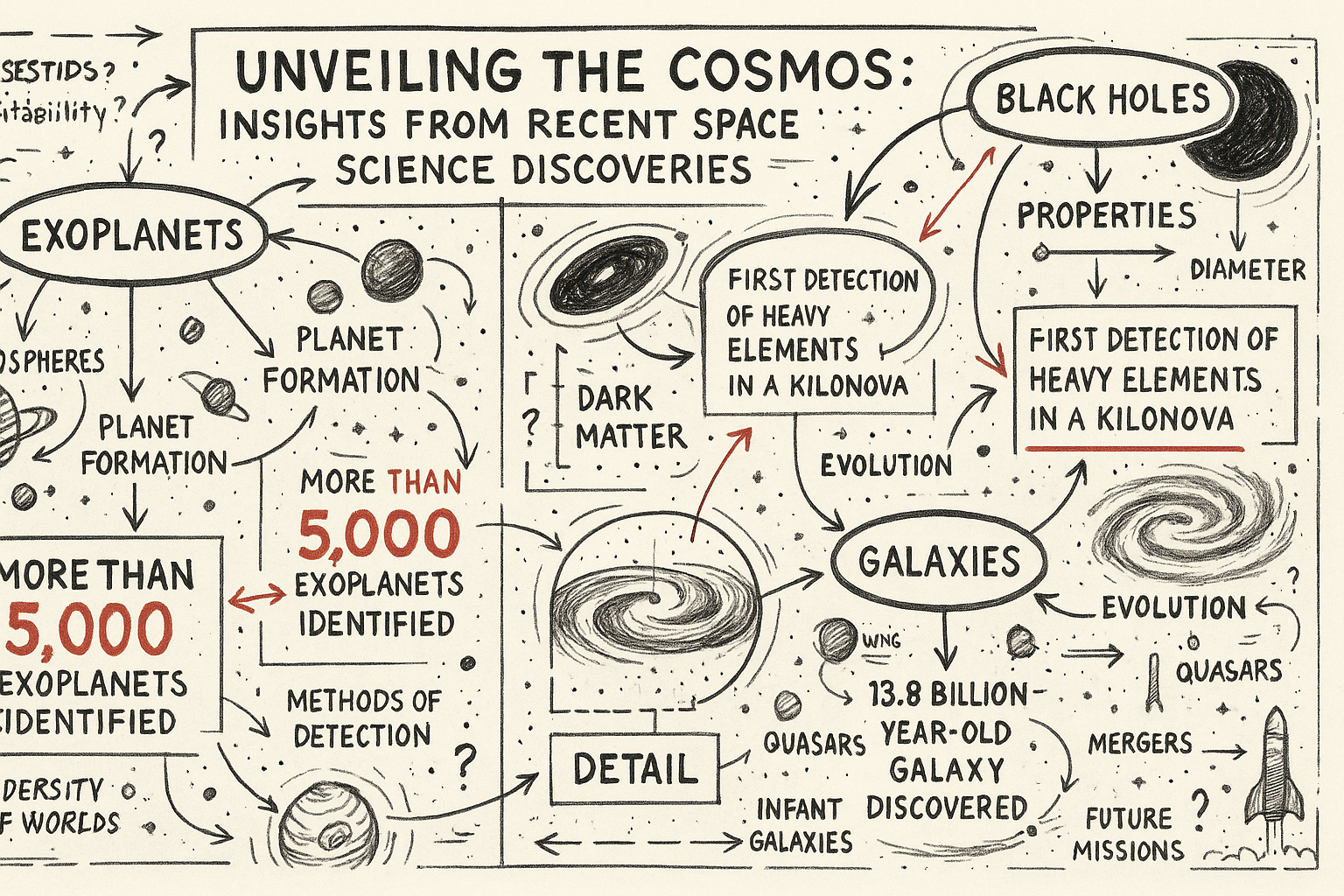
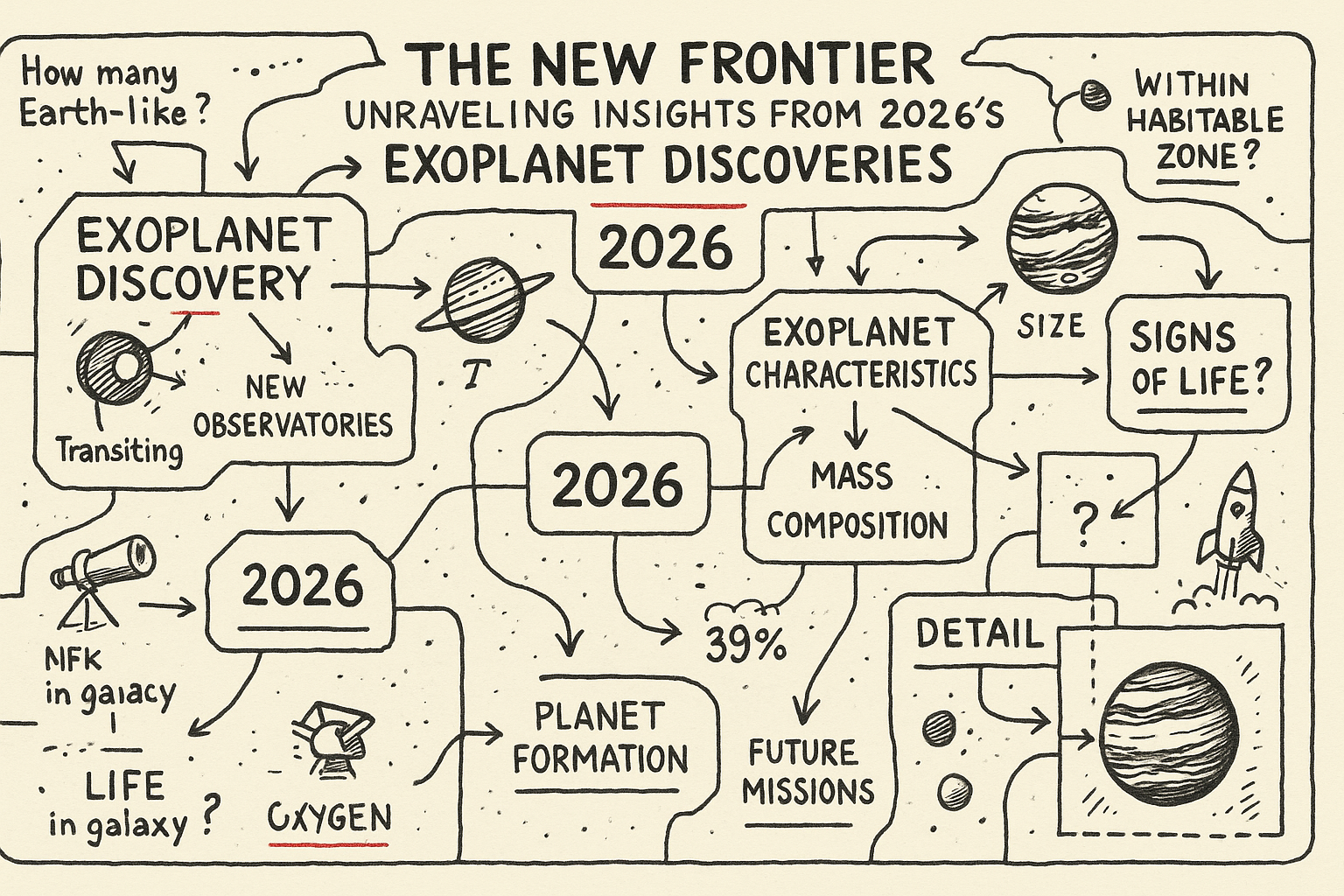
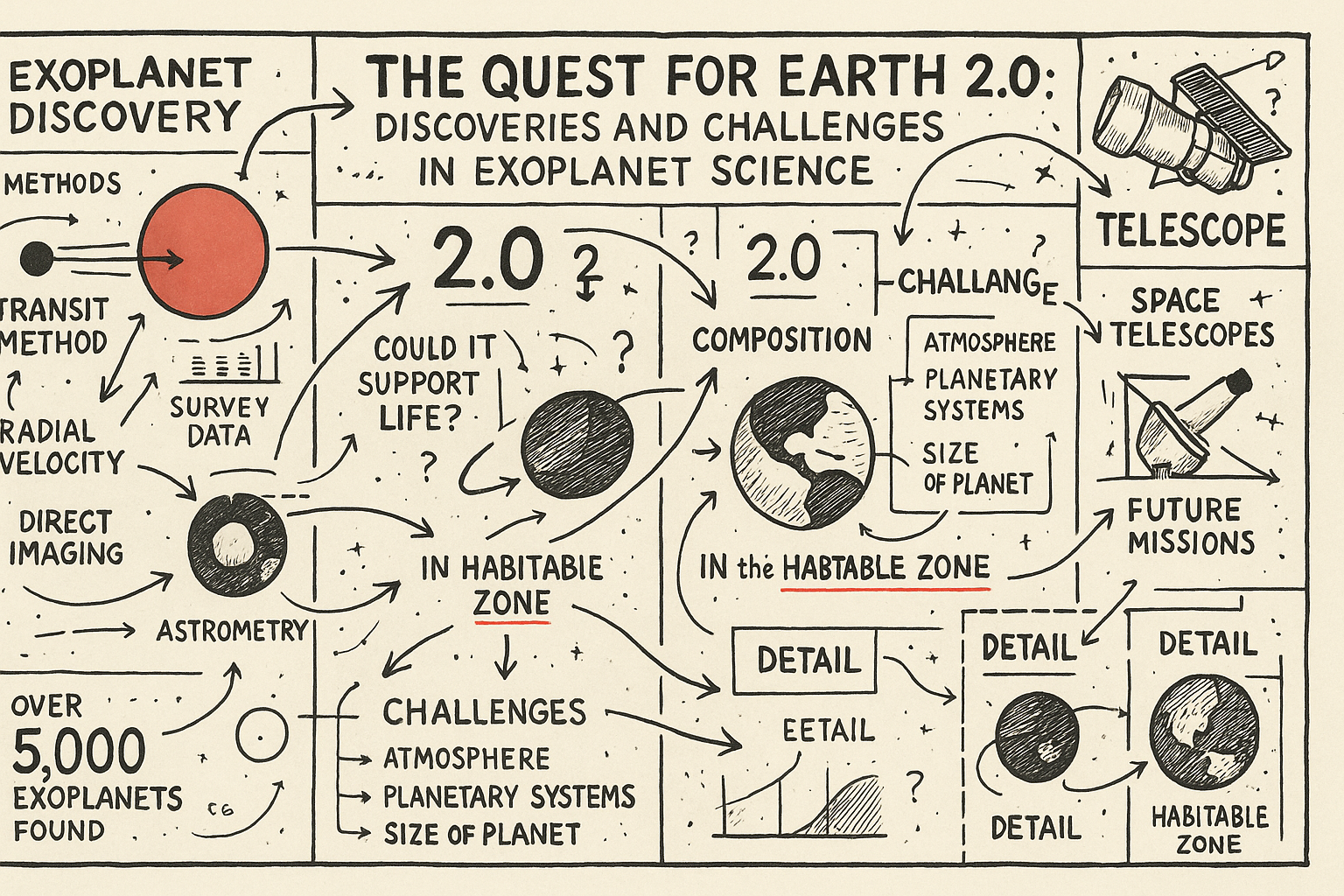
The Nancy Grace Roman Space Telescope is set to revolutionize our understanding of the galactic neighborhood by potentially unveiling around 100,000 exoplanets. This is a monumental leap from the nearly 6,300 exoplanets discovered so far, opening up new avenues for understanding planetary formation and the potential for life beyond our solar system. This telescope's ability to peer into underexplored regions of the Milky Way will provide insights into the diversity and complexity of planetary systems.
Technological Innovations and Challenges
Technological advancements are not without their challenges. The recent explosion of Blue Origin's New Glenn rocket during a static fire test serves as a stark reminder of the complexities involved in rocket science. Such setbacks, while dramatic, are part and parcel of the iterative process of technological innovation in the space industry.
Moreover, the James Webb Space Telescope's study of the barren super-Earth LHS 3844 b has provided critical data on planets with no atmospheres, contributing to the broader understanding of planetology and atmospheric science.
The Role of Artificial Intelligence
As missions like NASA's Dragonfly explore the surface of Saturn's moon Titan, AI is poised to play a crucial role in analyzing the vast amounts of data collected. This technological synergy could enhance the detection of potential signs of life, which might otherwise be missed by traditional methods.
Simulating Human Resilience in Space
Future moon base operations face unique challenges, as highlighted by simulations conducted by researchers at George Mason University. These simulations aim to optimize astronaut interactions and environmental engagements, ensuring mission success through better preparation and contingency planning.
As we stand on the brink of a new era in space exploration, the convergence of diverse missions and technologies is paving the way for profound discoveries and innovations. The implications for humanity are vast, from understanding our cosmic origins to potentially securing new resources and habitats beyond Earth.