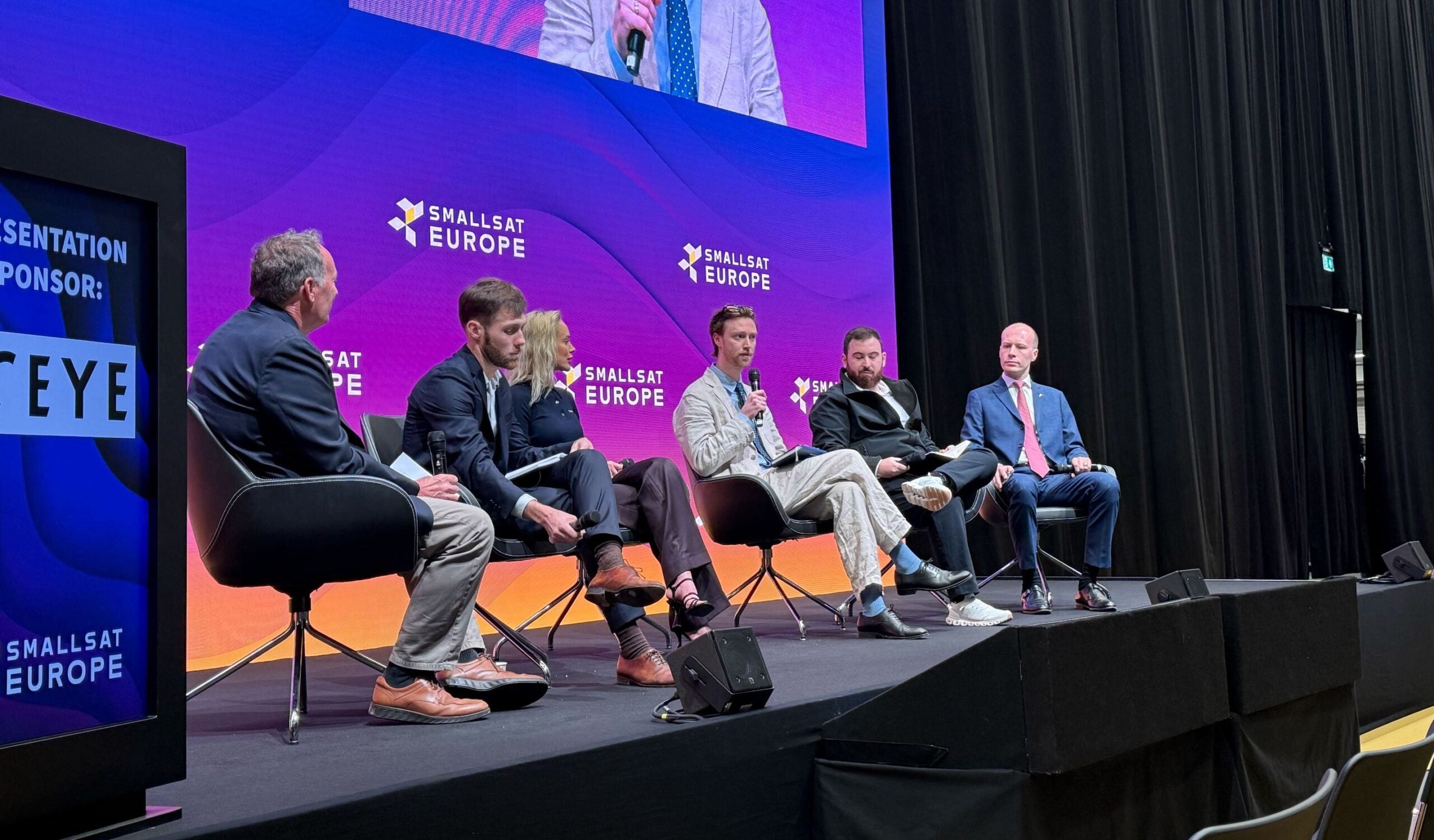
The European space industry is at a critical juncture, with a growing need to develop more efficient and reliable access to space. This necessity was a focal point during a recent launch panel held in Amsterdam, where industry leaders discussed the current state and future prospects of Europe's launch capabilities.
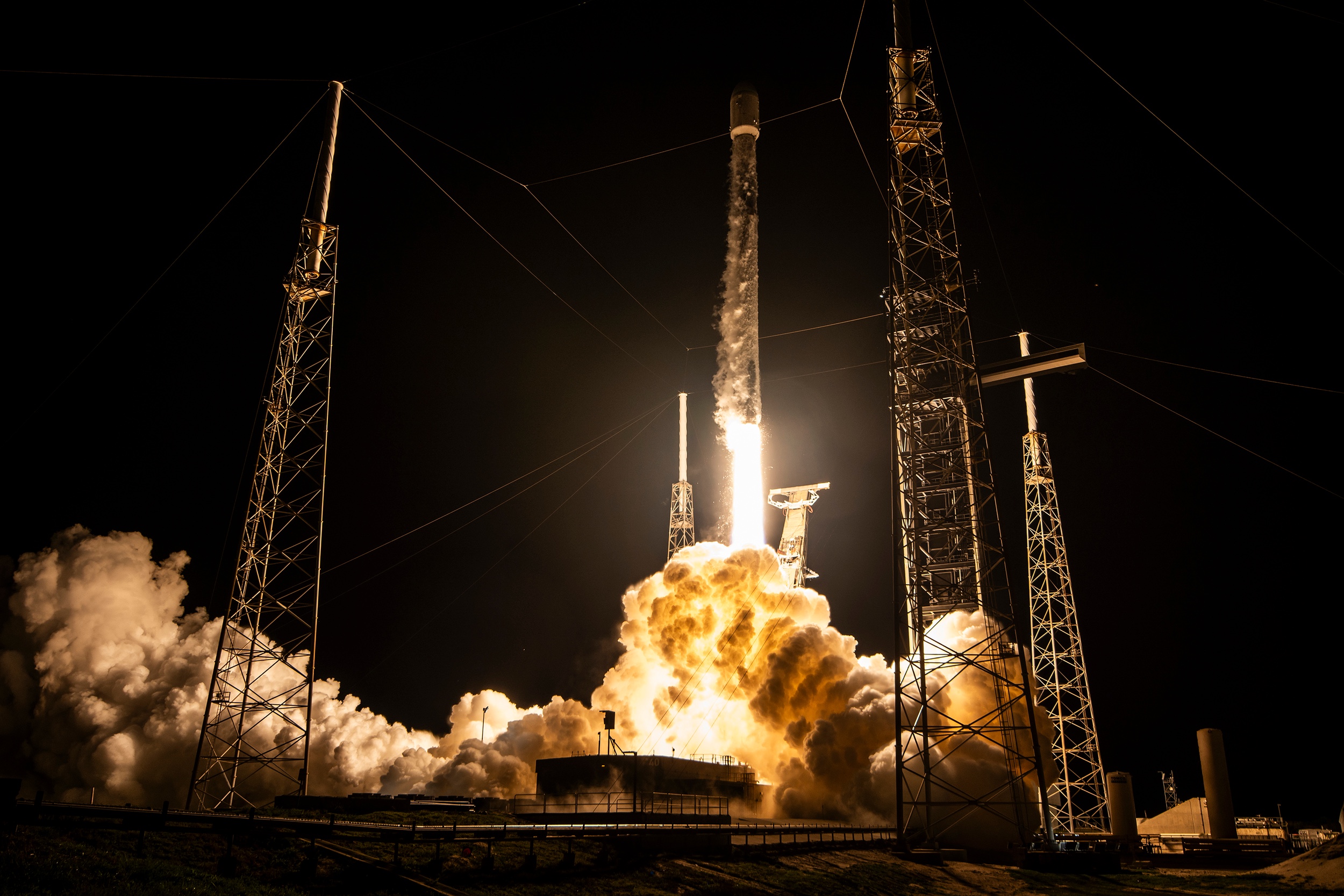
Europe has long been a significant player in the global space market, primarily through its flagship launch vehicles, Ariane and Vega. However, the continent faces increasing pressure to innovate and improve these systems to maintain competitiveness in a rapidly evolving market. With new entrants like SpaceX and other private companies revolutionizing launch economics and technological capabilities, Europe must adapt to stay relevant.
One of the primary challenges highlighted during the panel is the need for cost reduction. European launch vehicles have traditionally been more expensive than their American counterparts, posing a barrier to attracting commercial satellite launches. Industry experts agree that reducing launch costs is crucial for Europe to remain competitive. This can potentially be achieved through advancements in technology, streamlined operations, and increased production efficiencies.
Reliability is another essential factor for the European launch market. The success rates of Ariane and Vega have been commendable, but maintaining and improving this reliability is vital as Europe seeks to expand its customer base. Ensuring consistent launch performance builds trust among satellite operators, encouraging them to choose European launch services over others.
In response to these challenges, the European Space Agency (ESA) and its partners are actively working on next-generation launch systems. The upcoming Ariane 6, scheduled to begin operations soon, is designed to be more cost-effective and adaptable to various mission profiles. It aims to offer competitive pricing and flexibility, which are critical in attracting both governmental and commercial clients.
Moreover, the development of reusable launch technologies is on the agenda. Although Europe has been slower to embrace reusability compared to companies like SpaceX, the potential cost savings and environmental benefits make this an attractive area for future investment.
The panel also emphasized the importance of political and economic support for the space sector. Strong backing from European governments and institutions can provide the necessary funding and policy frameworks to foster innovation and sustain growth in the industry.
As Europe navigates these challenges, collaboration with international partners and private enterprises will also play a vital role. By leveraging expertise and resources from around the globe, Europe can enhance its technological capabilities and expand its influence in the global space market.
In conclusion, while Europe's launch market faces significant hurdles, there is optimism about its future. With strategic investments in technology, cost reductions, and international collaborations, Europe can achieve more reliable and efficient access to space, securing its position as a key player in the industry.