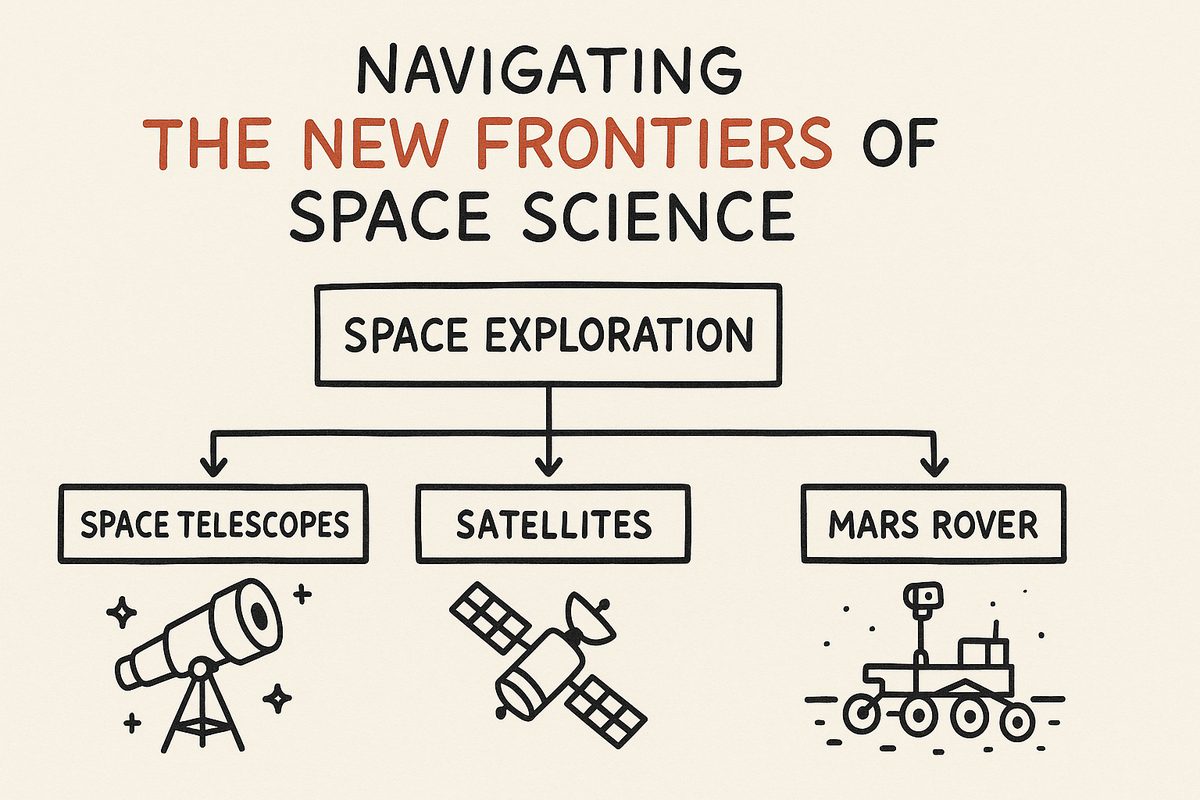
In the rapidly evolving domain of space science, recent advancements have started to reshape our understanding of the cosmos and our technological capabilities. From innovative propulsion systems for small satellites to the possibility of life on icy moons, and from the statistical challenges of astrobiology to the enigmatic signals from deep space, each development offers a unique perspective on our universe.
Revolutionizing Satellite Propulsion
The development of a new hybrid propulsion system by MIT engineers marks a significant leap for small satellites, akin to briefcases in size. This propulsion system marries the speed and power of chemical thrusters with the precision and efficiency of electrical ones, enabling satellites to perform both rapid maneuvers and fine adjustments. Such agility could transform satellite missions, allowing for more versatile and responsive operations in orbit.
This innovation is particularly important as the demand for small, nimble satellites grows, driven by the need for quick deployment and adaptability in various space missions, from communications to Earth observation.
Life Beneath the Ice
The search for extraterrestrial life has taken a promising turn with new methodologies aimed at probing the icy moons of our solar system, such as Europa and Enceladus. These celestial bodies, with their subsurface oceans, represent some of the most compelling targets for life beyond Earth. However, the thick ice crusts that encase these oceans have long posed a barrier to direct sampling.
Recent approaches, leveraging ecological models, could offer indirect insights into these hidden oceans' potential to support life. Such methods might bring us closer to answering the age-old question of whether we are alone in the universe.
Magnetic Mysteries of Exoplanets
Meanwhile, astronomers have uncovered evidence of magnetic fields on exoplanets, a discovery that alters our understanding of planetary atmospheres and their dynamics. Observations from the Very Large Telescope and Gemini North have shown that magnetic fields can significantly influence atmospheric winds, particularly on hot gas giants where slower winds are observed.
This finding challenges previous assumptions and highlights the complex interplay between magnetic fields and planetary atmospheres, offering new avenues for research into exoplanetary weather patterns and habitability conditions.
A Statistical Challenge in Astrobiology
However, the field of astrobiology faces a looming statistical crisis. With multi-billion dollar telescopes providing vast amounts of data, the challenge lies in obtaining enough samples to draw definitive conclusions. This issue of sample size is critical—without it, our understanding of potentially life-hosting environments remains speculative.
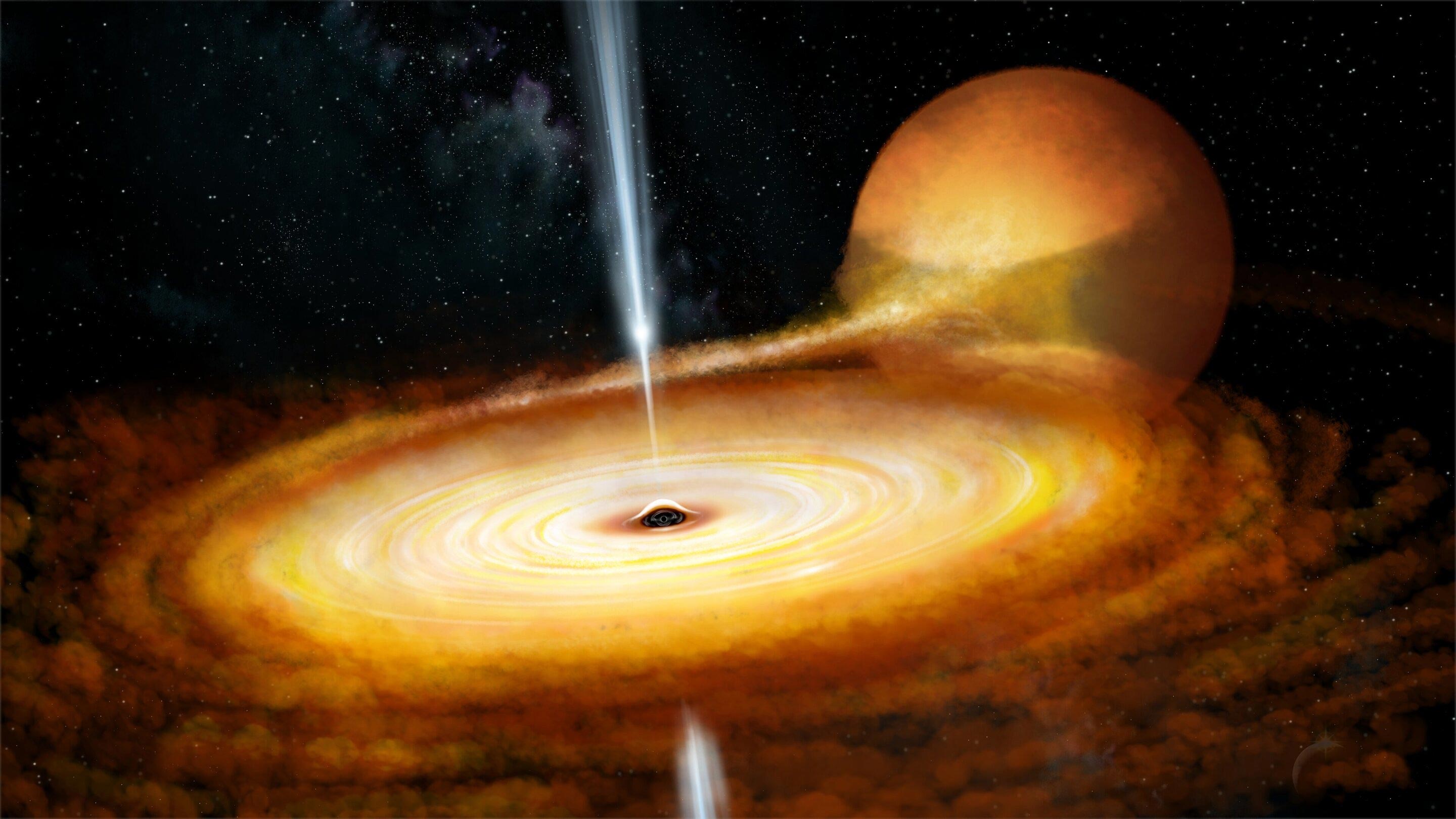
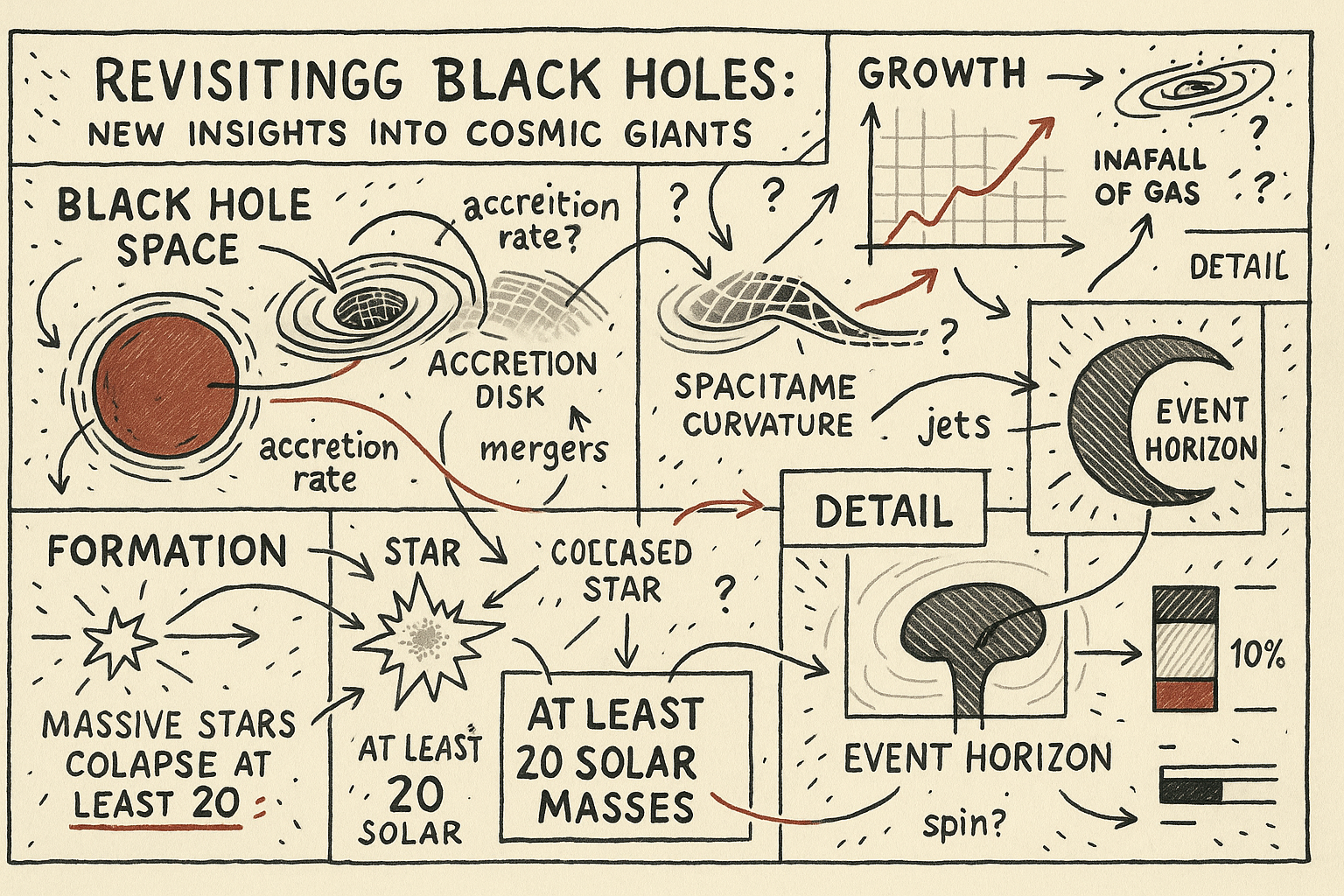
For instance, the detection of overmassive black holes by the James Webb Space Telescope, initially thought to defy current models, was later attributed to statistical outliers. This underscores the need for comprehensive and robust statistical frameworks in space science research.
Deciphering Cosmic Signals
In a surprising twist, scientists have discovered what could be described as a 'cosmic Rosetta Stone'—a tool that might help decode mysterious signals from deep space. This breakthrough could unravel the nature of these signals, potentially linked to phenomena such as primordial black holes, offering insights into the early universe's dynamics.
These revelations not only expand our cosmic horizons but also emphasize the intricate and often unexpected nature of space science.
Surprising Insight: Despite initial assumptions, the overmassive black holes detected are not anomalies but rather normal-range outliers, highlighting the importance of statistical context.As space exploration continues to push the boundaries, each of these developments reflects a broader narrative of discovery and innovation. The integration of new technologies and methodologies promises to enhance our understanding of the universe, paving the way for future explorations and discoveries.