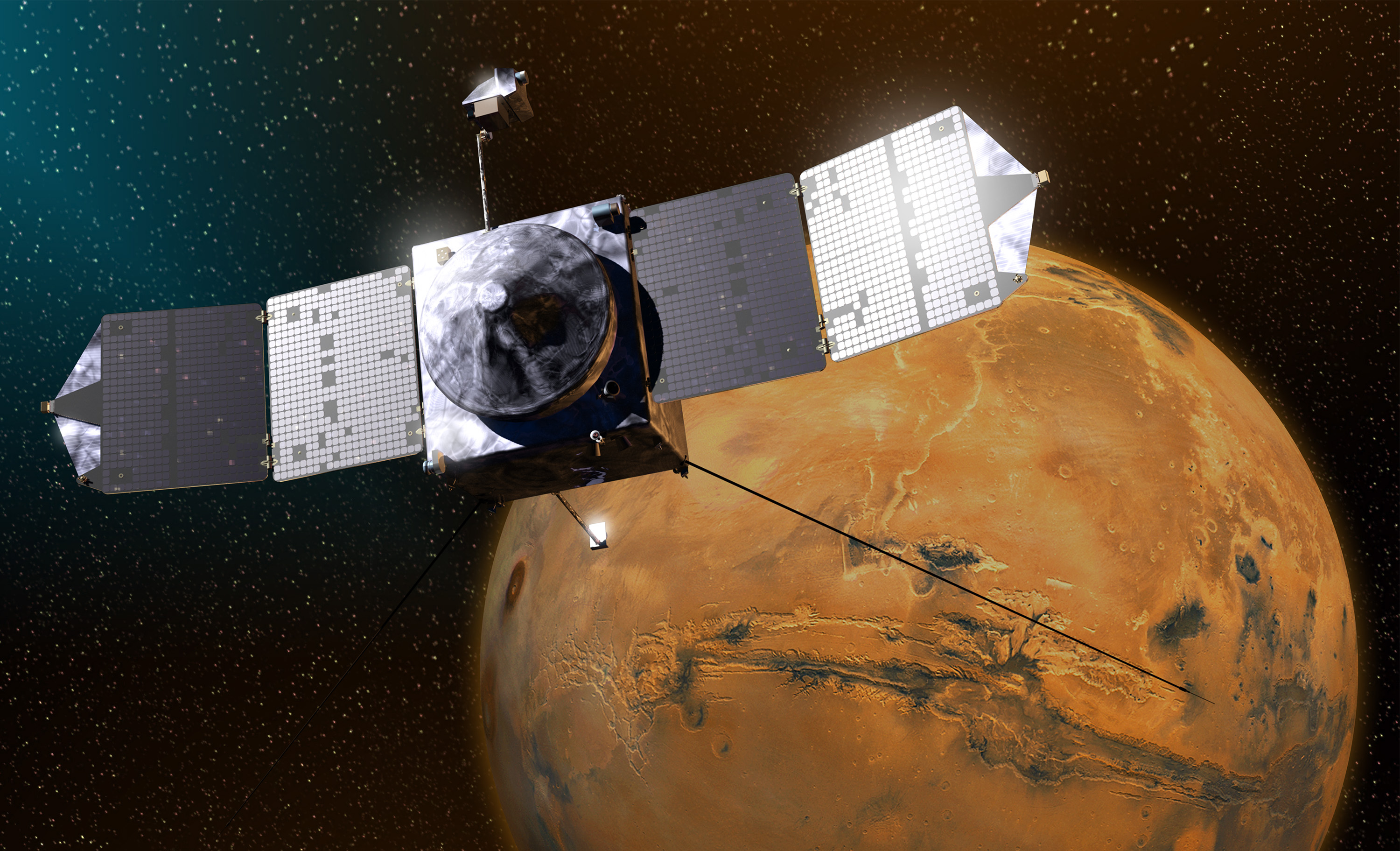
NASA's Mars Atmosphere and Volatile Evolution (MAVEN) mission has concluded after more than 11 years in orbit around Mars. Originally launched in 2013, MAVEN was the first mission dedicated to observing the Martian atmosphere and its evolution. Despite being designed for a primary mission of just one year, MAVEN far exceeded expectations, providing valuable insights into the Red Planet's atmospheric conditions and contributing significantly to our understanding of Mars.
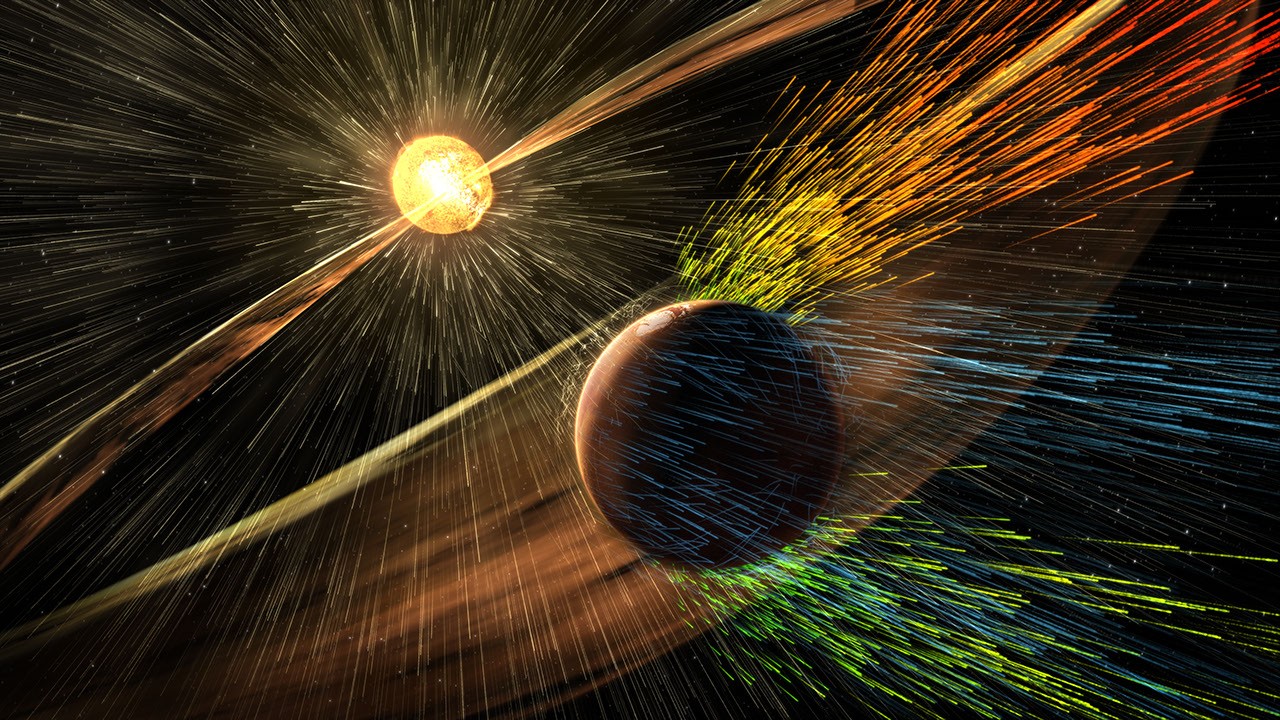
MAVEN's scientific journey came to a close when it experienced an unexpected loss of signal on December 6, marking the end of its groundbreaking mission. Over its operational life, MAVEN played a crucial role in studying how the solar wind strips away the Martian atmosphere, a process believed to have transformed the planet from a warmer, wetter environment into the cold, arid world we observe today.
The mission's contributions have been pivotal in elucidating the complex interactions between Mars' atmosphere and the solar wind. MAVEN's observations helped to confirm that the loss of atmospheric gases to space was a major driver of climatic change on the planet. This information is vital as scientists continue to explore the potential for past life on Mars and understand its habitability.
NASA hosted a media call to commemorate the mission's achievements and to bid farewell to a spacecraft that has been instrumental in expanding our knowledge of Mars. During its mission, MAVEN also provided critical data that supported other missions, such as the Mars Curiosity Rover and the Perseverance Rover, by offering insights into the planet's upper atmosphere and its interaction with solar radiation and the solar wind.
As we reflect on MAVEN's legacy, its success underscores the importance of long-term missions in advancing planetary science. The data collected by MAVEN will continue to be analyzed and utilized in future research, ensuring that its impact endures well beyond its operational life.