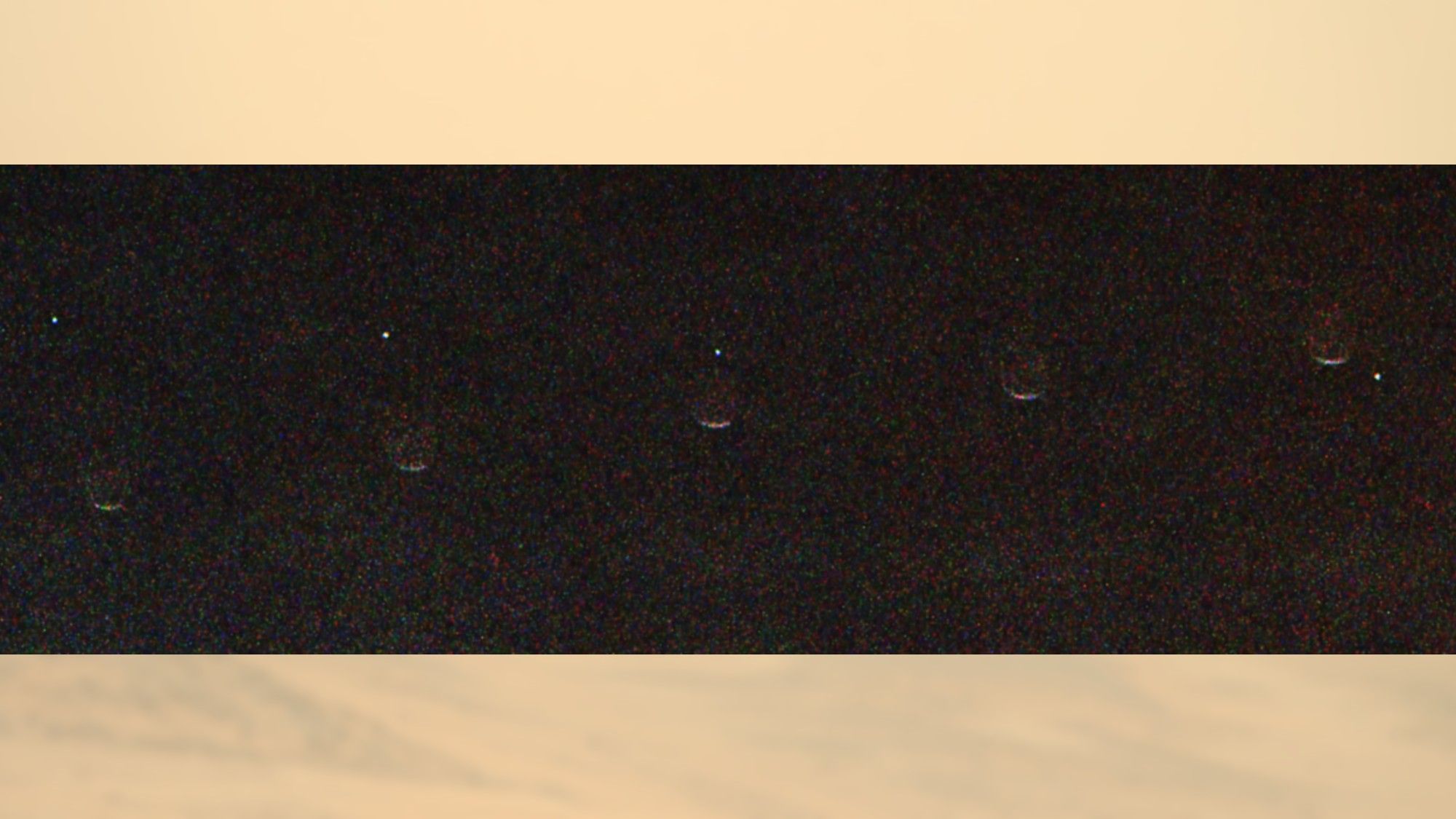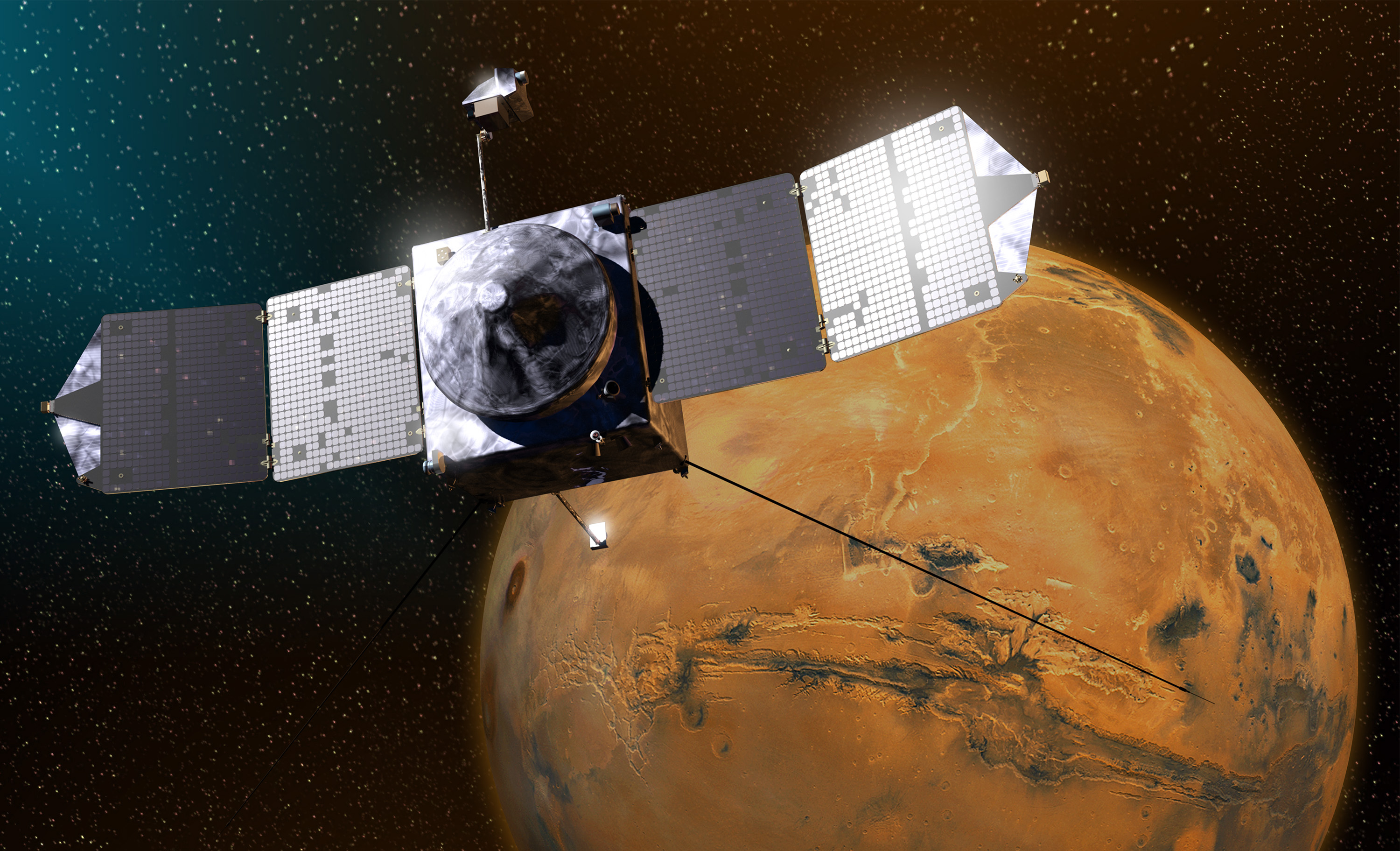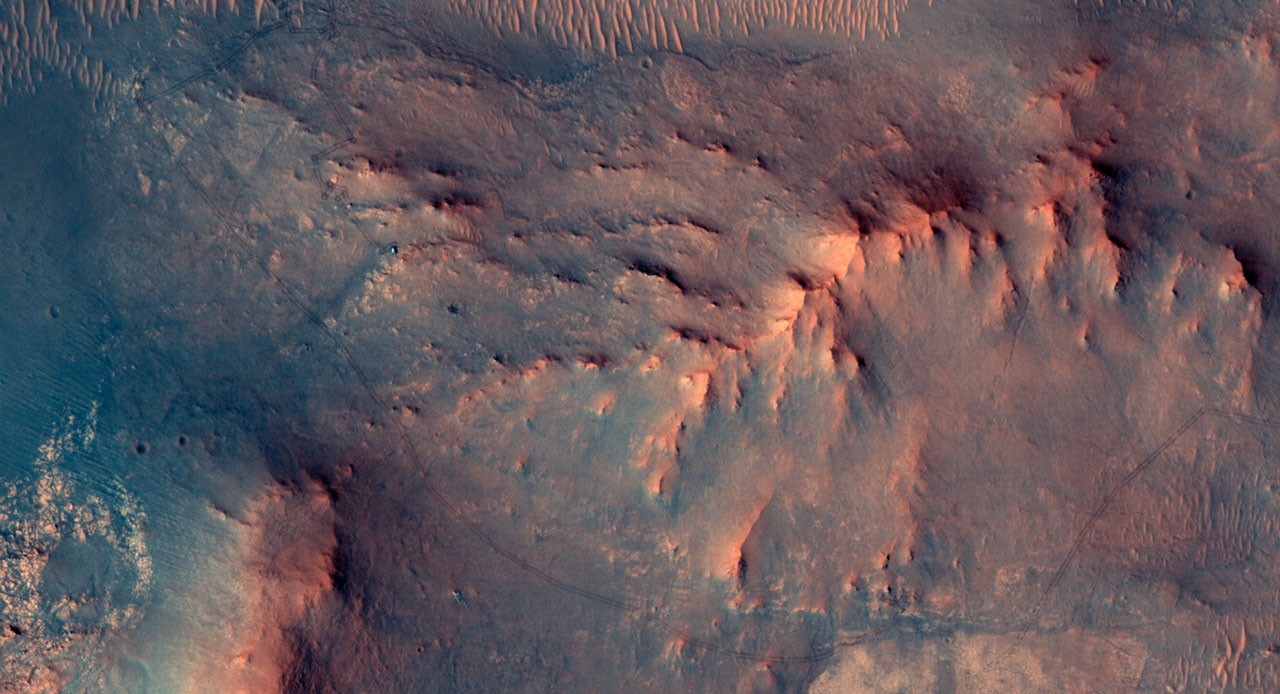
NASA's Mars Perseverance rover has reached a new milestone on its ongoing mission, as captured by the High-Resolution Imaging Science Experiment (HiRISE) camera aboard the Mars Reconnaissance Orbiter (MRO). This recent achievement underscores Perseverance's role in unearthing secrets of the Red Planet's past and assessing its habitability for future human missions.
Perseverance, which landed on Mars in February 2021, is equipped with an array of scientific instruments designed to explore the Jezero Crater, a site believed to have once held a lake. The rover's primary mission is to search for signs of ancient life and collect samples of Martian rock and soil. These samples are intended for eventual return to Earth by a future mission, a key objective in NASA's Mars Sample Return program.
The HiRISE camera, known for its high-resolution capabilities, plays a crucial role in supporting the Perseverance mission. It provides detailed images that aid scientists in selecting promising sites for exploration and sample collection. The recent images from HiRISE reveal Perseverance navigating terrain that offers insights into the planet's geological history. This capability to capture detailed surface features from orbit complements the rover's on-the-ground operations, making HiRISE an invaluable asset in Mars exploration.
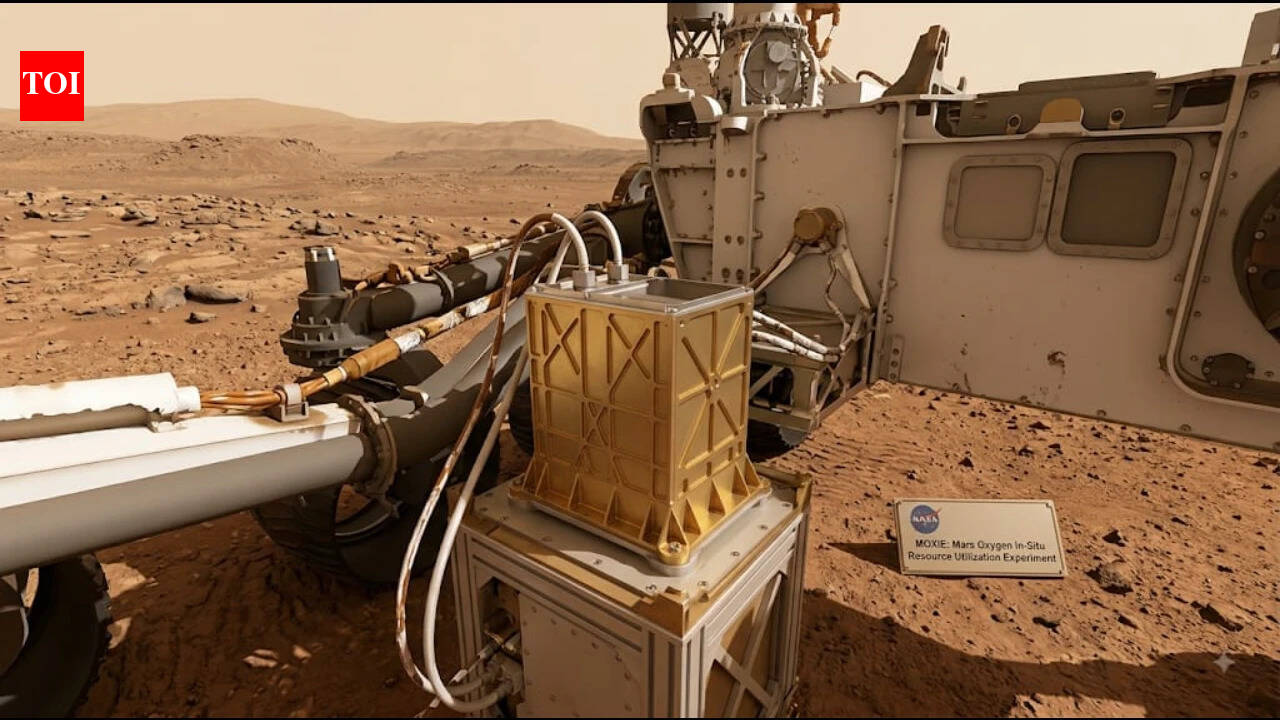
Perseverance's ongoing journey is not just about scientific discovery but also about paving the way for future human exploration. The technologies tested on this mission, such as the MOXIE instrument, which generates oxygen from the Martian atmosphere, are crucial for sustaining human presence on Mars. The rover's accomplishments thus far highlight the intricate planning and international collaboration involved in interplanetary exploration.
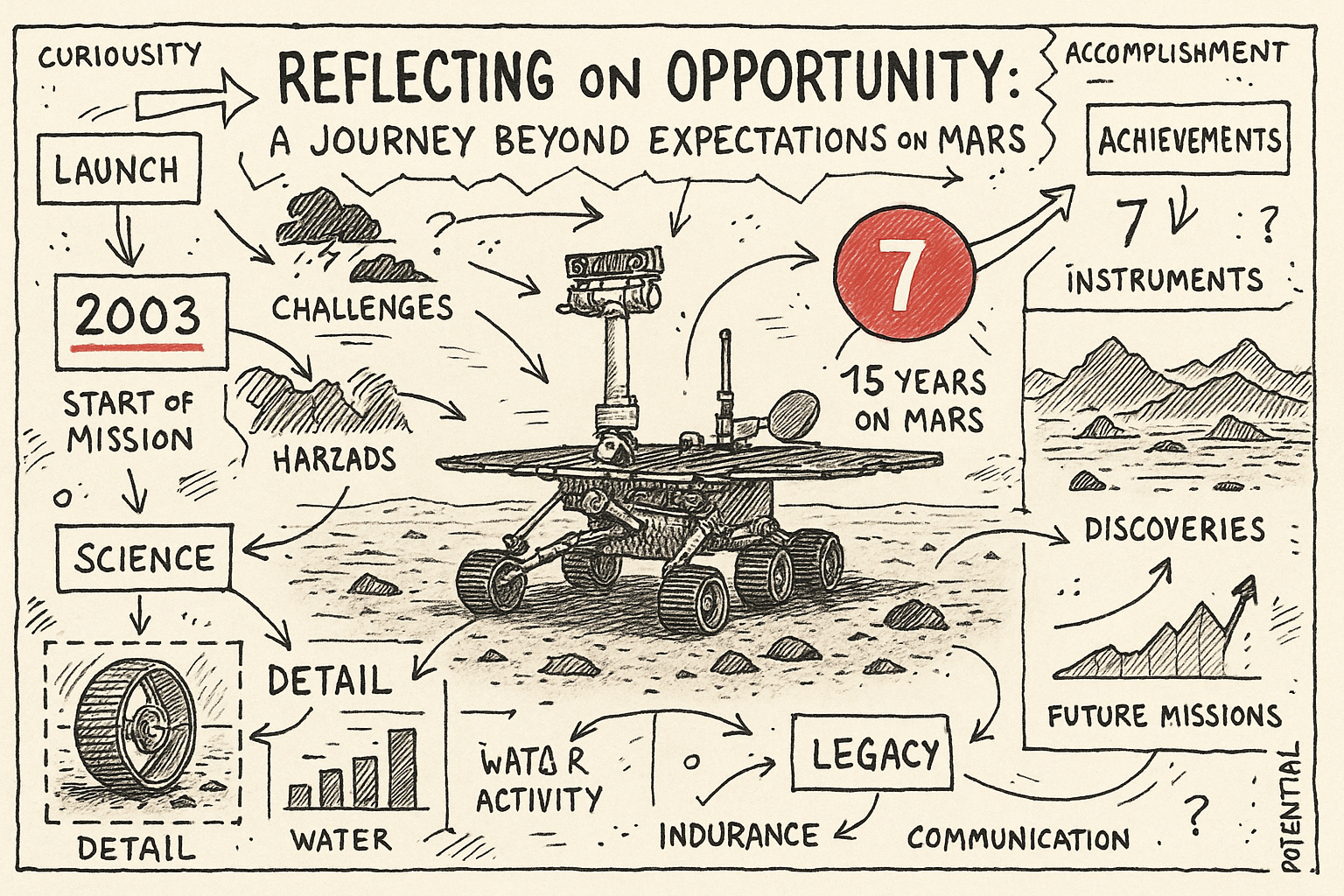
The significance of this milestone is underscored by the broader context of Mars exploration. Since the early missions, such as Viking 1 in 1976, our understanding of the Martian environment has dramatically evolved. With each mission, from the Mars Pathfinder and its Sojourner rover in 1997 to the more recent Curiosity rover, NASA has incrementally advanced our knowledge, setting the stage for Perseverance's more ambitious scientific goals.
Looking ahead, the data collected by Perseverance will inform future missions, including those by international partners, to create a sustainable presence on Mars. The European Space Agency (ESA) and NASA's collaboration on the Mars Sample Return mission exemplifies this collaborative spirit. As we anticipate the return of Martian samples, the insights gained could reshape our understanding of Mars' potential to support life.
In conclusion, the milestone captured by HiRISE not only marks a step forward in Perseverance's mission but also symbolizes the broader journey of space exploration. As NASA and its partners continue to explore Mars, each discovery brings us closer to unraveling the mysteries of our neighboring planet and preparing for the next giant leap in human space exploration.