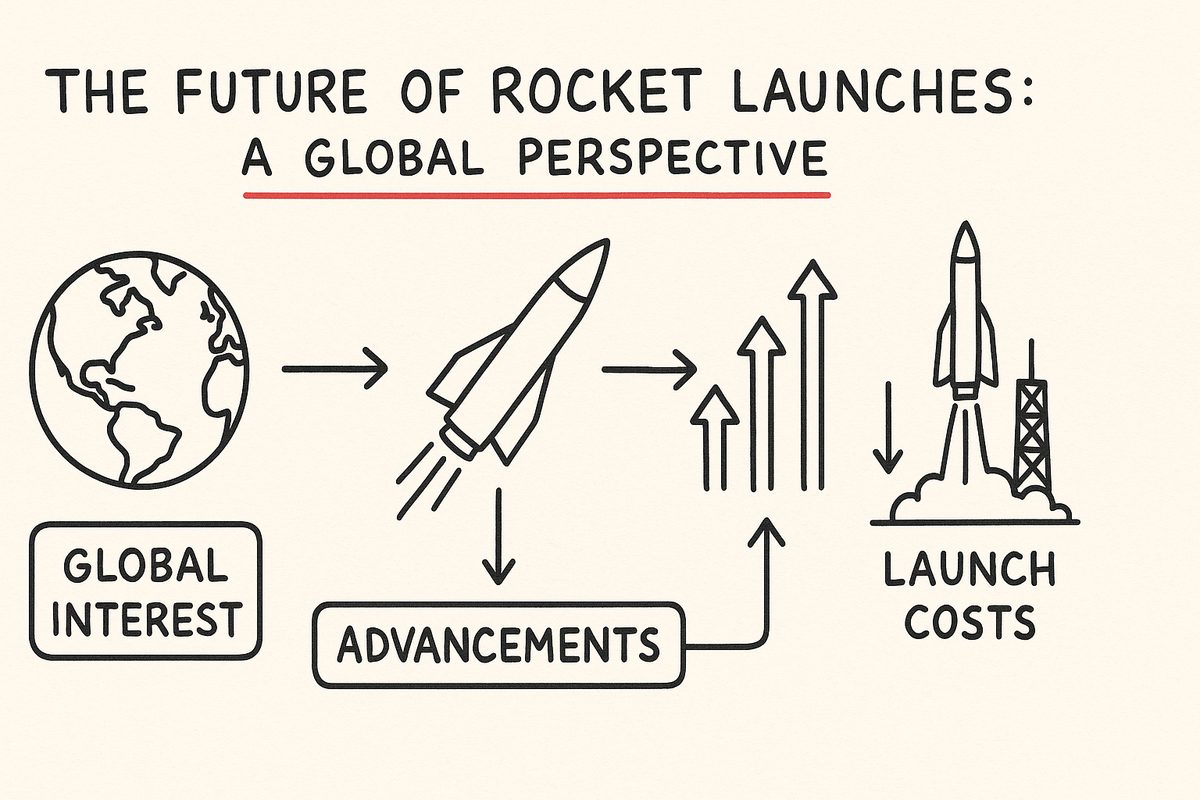
The landscape of rocket launches is undergoing a transformative phase, characterized by technological advancements and strategic collaborations that redefine how we approach space exploration. Recent developments from Spaceport Nova Scotia, NASA's advanced composite manufacturing, and The Exploration Company's reusable spacecraft provide a comprehensive view of where the industry is headed.
Hypersonic Rocket Launches from Spaceport Nova Scotia
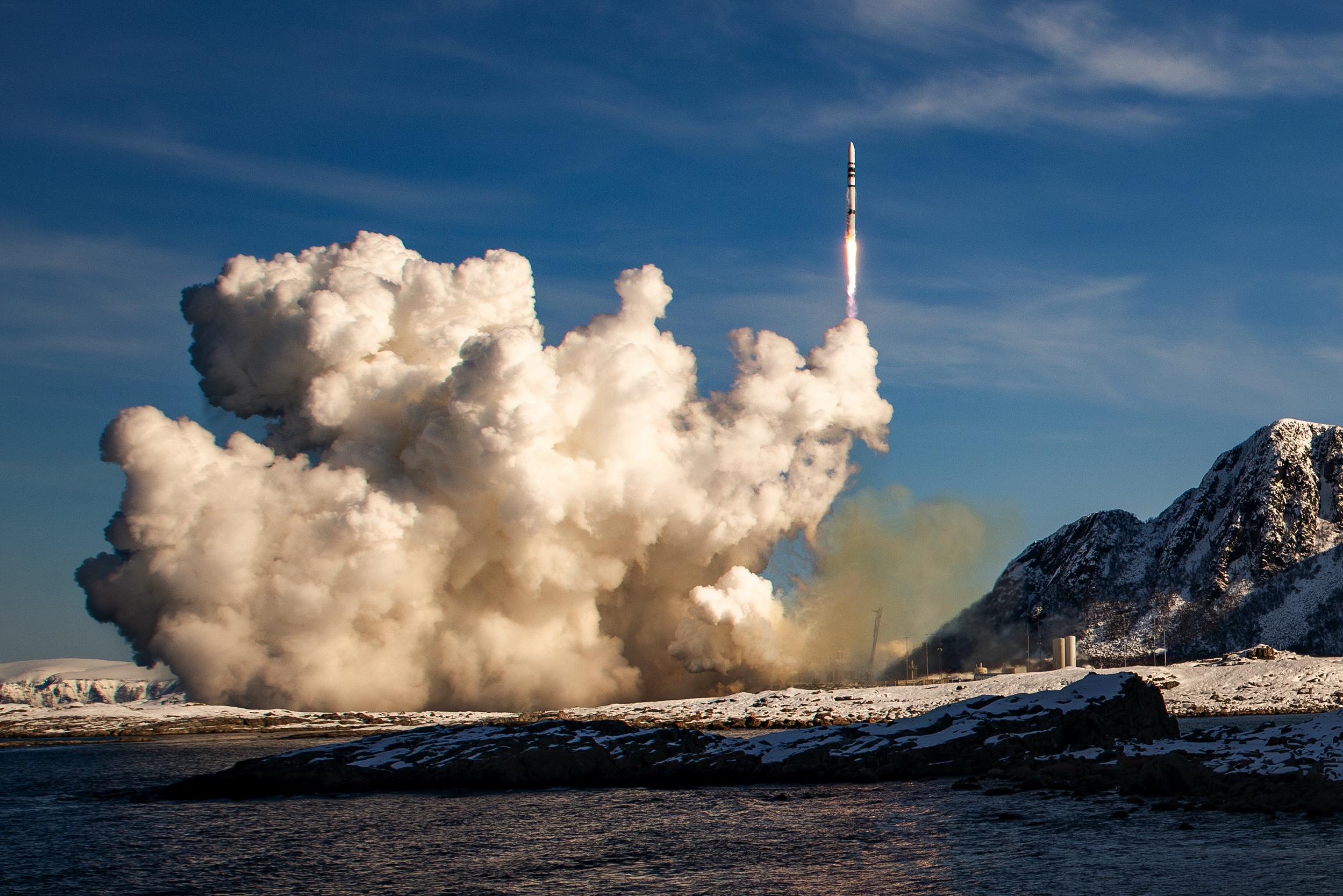
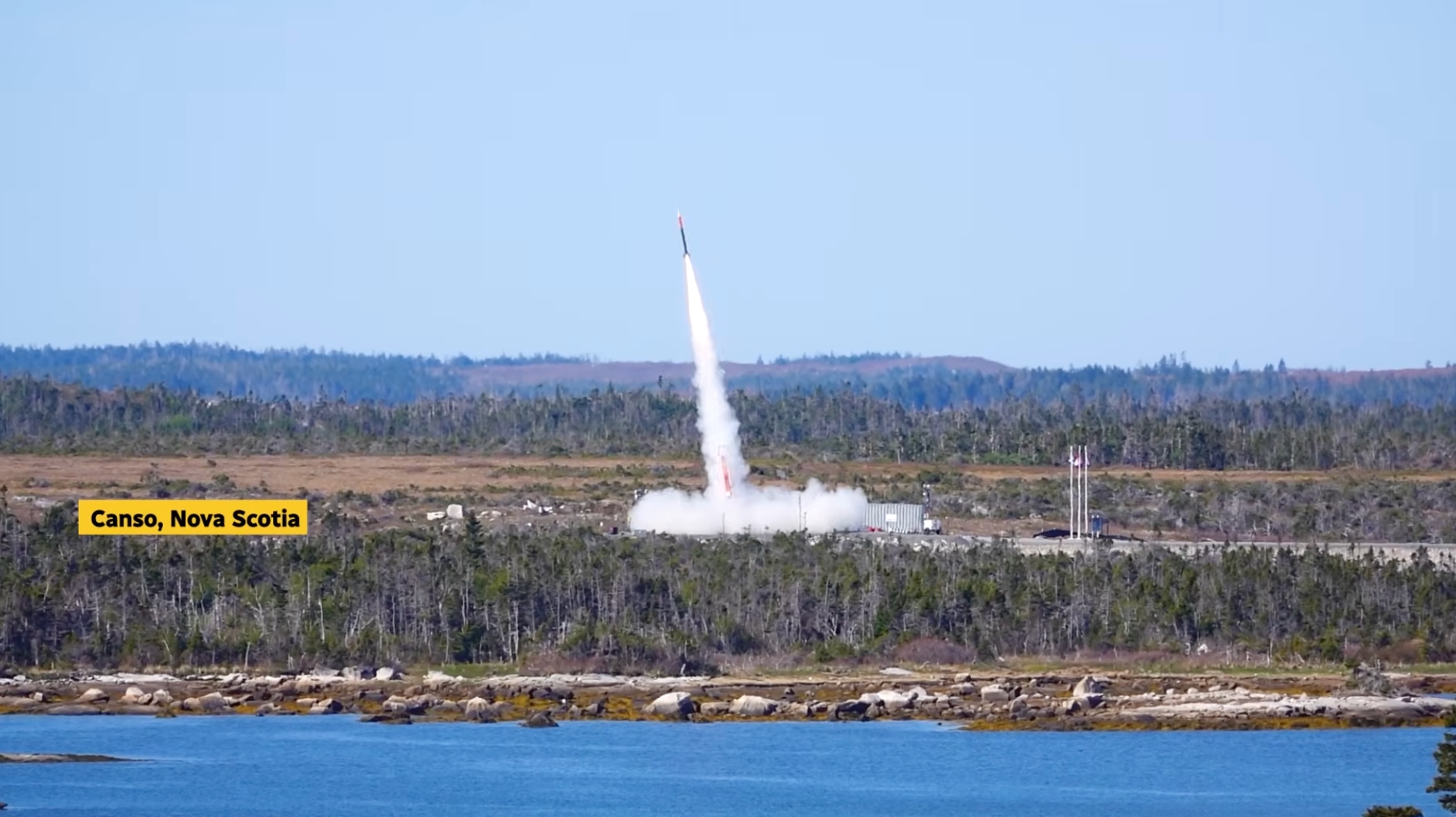
The upcoming launches of two Barracuda hypersonic suborbital rockets by T-Minus Engineering mark a pivotal moment for Spaceport Nova Scotia. Scheduled between June 8-14, these launches highlight the growing interest in hypersonic technology, which promises faster travel times and improved payload capacities. This development is part of a broader trend where smaller, more agile players are entering the space launch market, often funded through public-private partnerships.
Hypersonic technology, while not new, is gaining momentum as countries and companies vie for faster and more efficient space travel. This aligns with global defense interests, where hypersonic missiles are viewed as game-changers. The dual launch from Nova Scotia symbolizes a shift towards more frequent and commercially viable hypersonic missions, potentially setting the stage for routine orbital and suborbital flights.
Innovations in Advanced Composite Manufacturing
Meanwhile, NASA’s 2026 review of its Hi-Rate Composite Aircraft Manufacturing (HiCAM) project exemplifies the critical role of materials science in modern aerospace engineering. By collaborating with a consortium of 22 public and private partners, NASA is pioneering advanced composites that promise to reduce weight while increasing the strength and durability of aerospace components.
This initiative is crucial for future spacecraft designs, where every kilogram saved can translate into significant cost reductions and increased payload capacities. The focus on composites also reflects a broader industry move towards sustainability and efficiency, critical factors as space agencies and private companies aim for more ambitious missions.
The Rise of Reusable Spacecraft
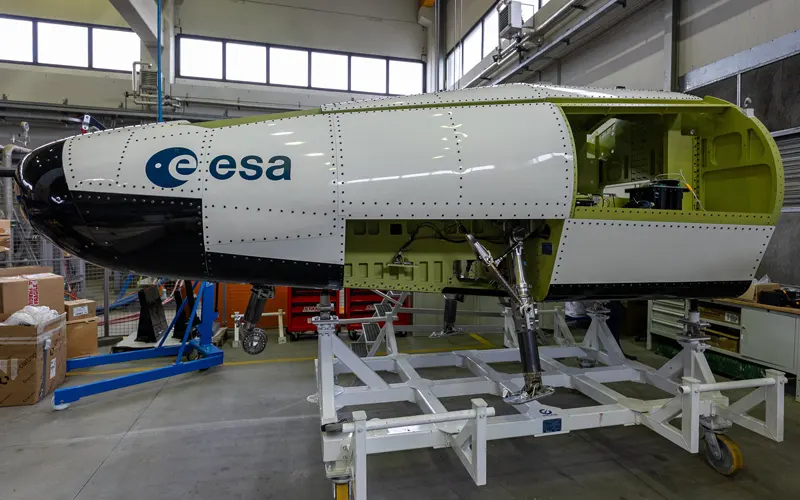
The Exploration Company's advancements in parachute recovery for its reusable Nyx spacecraft underscore the industry's shift towards reusability. As demonstrated by the likes of SpaceX, reusability is not just a cost-saving measure but a way to increase launch frequency and reduce environmental impact.
Nyx's design reflects a growing consensus that future space exploration will rely heavily on spacecraft that can be launched, landed, and relaunched with minimal refurbishment. This approach is expected to democratize access to space, making it feasible for more countries and private enterprises to conduct missions beyond Earth's orbit.
Surprising Insights and Future Implications
One counterintuitive insight is the role of smaller players in leading hypersonic technology. Traditionally dominated by major aerospace corporations, the entrance of companies like T-Minus Engineering into hypersonics suggests a democratization of advanced space technologies. This could accelerate the pace of innovation and lead to a more competitive market.
Furthermore, the integration of advanced composites and reusable technologies could significantly alter the economics of space travel, potentially reducing costs by up to 30% according to some industry estimates. This would open up new opportunities for scientific research, commercial ventures, and even tourism.
In conclusion, the future of rocket launches is not just about reaching new heights but doing so sustainably and efficiently. With innovations in hypersonic technology, materials science, and reusability, the next decade promises to be an exciting era for space exploration, one where the boundaries of what's possible continue to expand.