In a recent development aboard the International Space Station (ISS), five of the seven crew members temporarily took shelter in the Crew Dragon spacecraft. This precautionary measure was prompted by the detection of air leaks in the Russian segment of the station, necessitating immediate attention.
The decision to relocate the majority of the crew was made to ensure their safety while two cosmonauts prepared to undertake comprehensive repairs. The affected section belongs to the Russian Orbital Segment, maintained by Roscosmos, the Russian space agency.
Such occurrences are not entirely unexpected in the high-stakes, complex environment of the ISS. Air leaks, although rare, represent a significant concern due to the potential risks they pose to the station's integrity and the crew's safety. The ISS, a collaborative effort involving key international space agencies, has been operational for over two decades, which underscores the challenges associated with maintaining aging infrastructure in space.
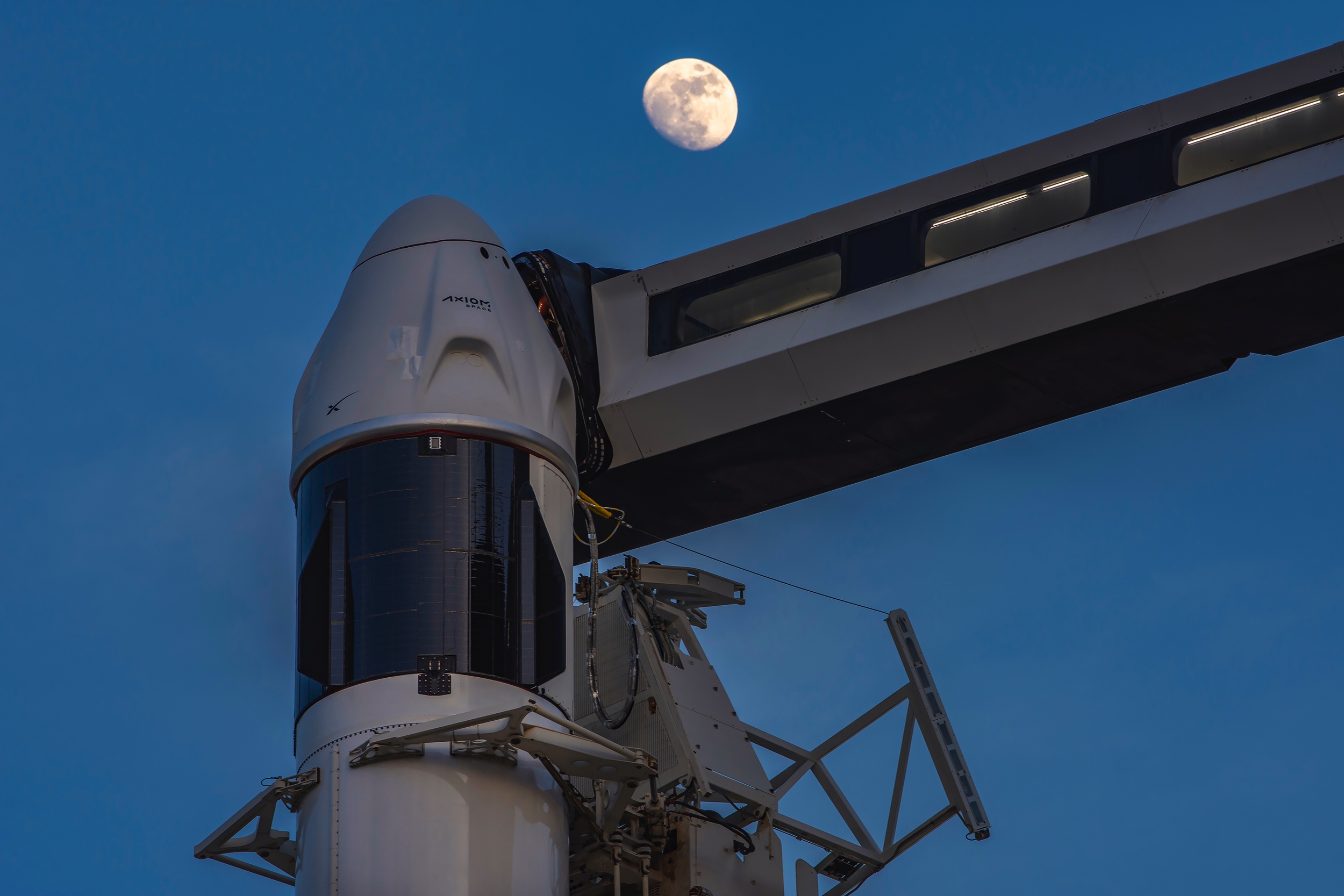
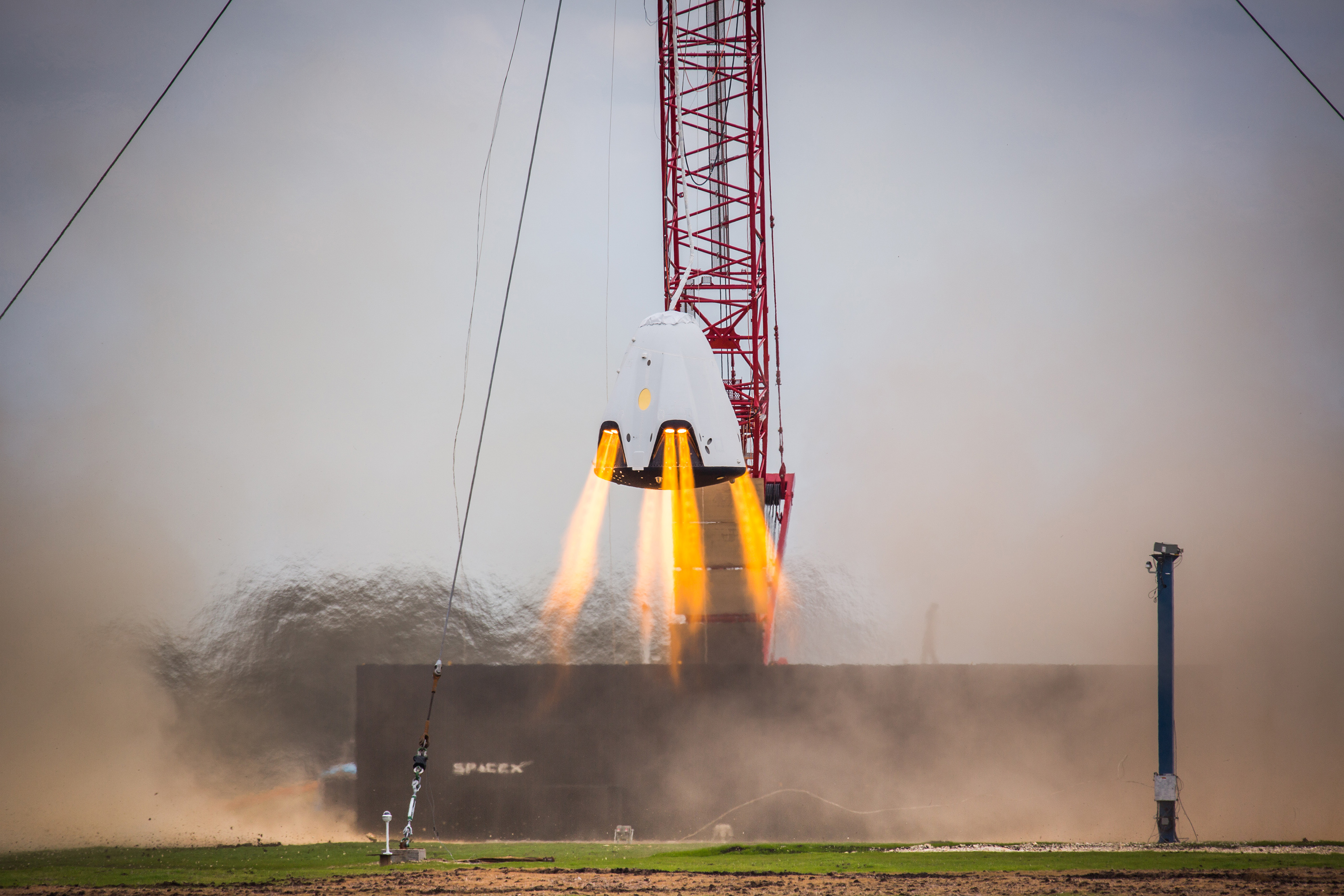
The Crew Dragon spacecraft, developed by SpaceX, serves as a critical component in ensuring the safety of the ISS crew. It provides a secure environment in emergencies and is equipped with the necessary life support systems to sustain the crew temporarily. This incident highlights the importance of having such contingency measures in place.
While the exact cause of the air leaks is yet to be determined, the current focus remains on addressing the issue promptly and ensuring the safety of all personnel on board. The two cosmonauts, trained extensively for such scenarios, are tasked with identifying and repairing the leaks to restore normal conditions on the station.
The incident serves as a reminder of the inherent complexities of operating a space station. It also emphasizes the collaborative nature of space missions, where international partners work together to overcome challenges and ensure the success and safety of joint endeavors.
As the situation develops, further updates are expected from the involved space agencies, providing more detailed information on the cause and resolution of the air leaks. Meanwhile, the proactive steps taken by the ISS crew underscore their preparedness and the robust safety protocols in place to handle such contingencies.