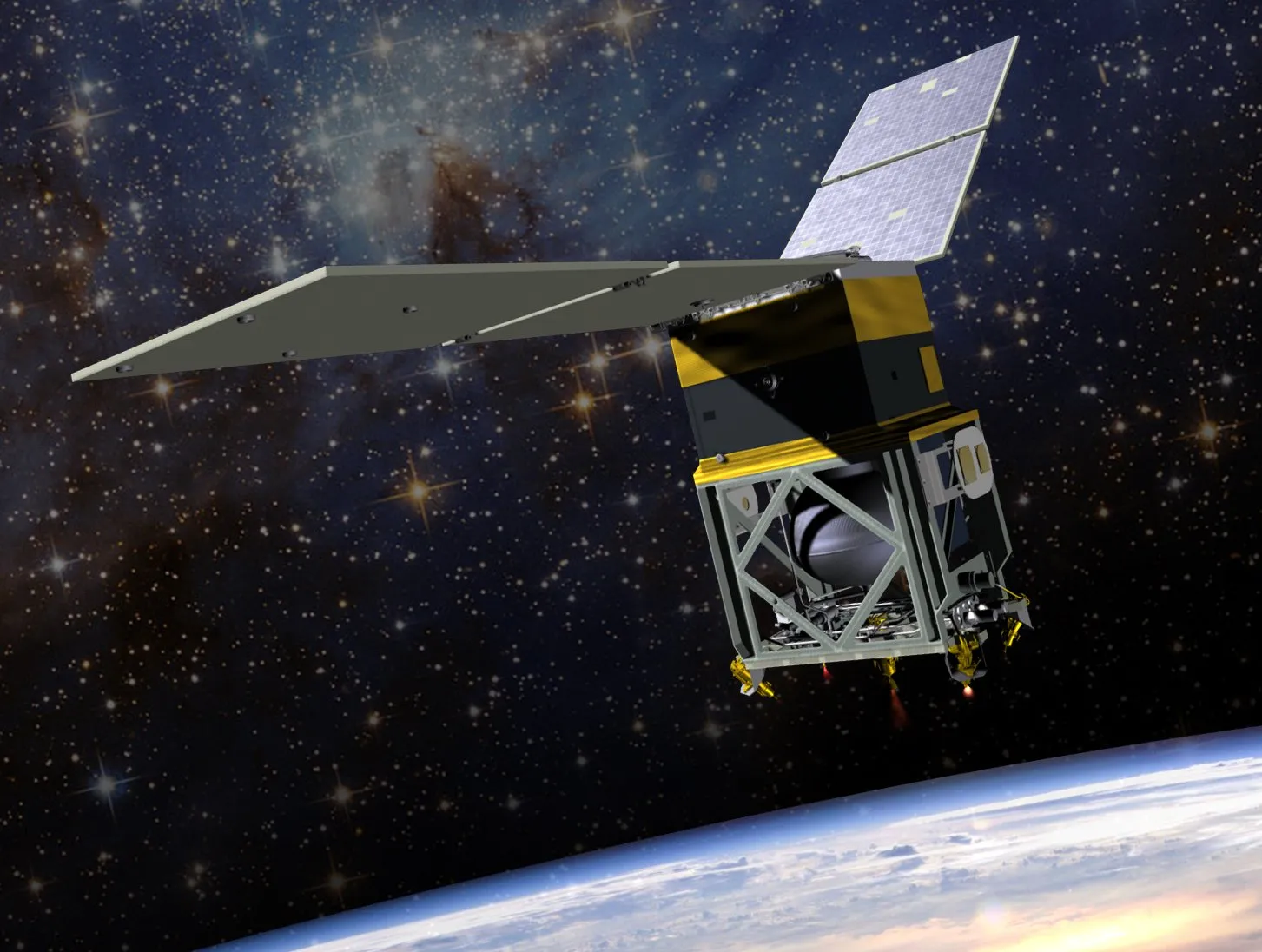
In the quest for more efficient space propulsion systems, a groundbreaking dual-mode engine has emerged as a promising solution for CubeSats. According to a recent publication in the Journal of Propulsion and Power, this innovative technology seeks to combine the strengths of both chemical and electric propulsion systems, offering an optimal balance of power and fuel efficiency.
Traditionally, spacecraft propulsion systems have been divided between chemical rockets and electric propulsion. Chemical rockets are known for their substantial thrust, allowing for rapid acceleration, but they consume fuel at a high rate, limiting their operational duration to mere minutes. In contrast, electric propulsion systems can operate for extended periods, providing efficient thrust over days, but their pushing power is significantly lower.
The new dual-mode engine, designed specifically for CubeSats, aims to bridge this gap. By integrating both propulsion methods into a single system, it offers the capability to switch between high-thrust chemical propulsion and high-efficiency electric propulsion as needed. This flexibility allows CubeSats to perform complex maneuvers, such as rapid orbital adjustments, while also maintaining efficient operations during long-duration missions.
One of the notable aspects of this dual-mode engine is its 'green' credentials. The engine utilizes non-toxic propellants, which are safer for both the environment and satellite operators. This is particularly significant as the space industry increasingly prioritizes sustainability and safety in its operations.
The development of this technology could have profound implications for the future of small satellite missions. CubeSats, which are compact, cost-effective, and versatile, are increasingly used for a variety of applications, from Earth observation to deep-space exploration. The enhanced propulsion capabilities provided by the dual-mode engine could expand their potential even further, enabling more ambitious missions and reducing mission costs by improving fuel efficiency.
As the space industry continues to evolve, innovations like the dual-mode engine highlight the ongoing efforts to optimize spacecraft performance while adhering to environmental and safety standards. The successful implementation of this propulsion system could set a new standard for CubeSat missions, paving the way for more sustainable and versatile space exploration.