The commercial space sector is on the brink of a transformative era, driven by a confluence of technological innovation, strategic investments, and evolving market demands. A close examination of recent developments reveals significant trends that are reshaping the industry landscape, with ripple effects expected across the global economy.
Strategic Military and Government Contracts
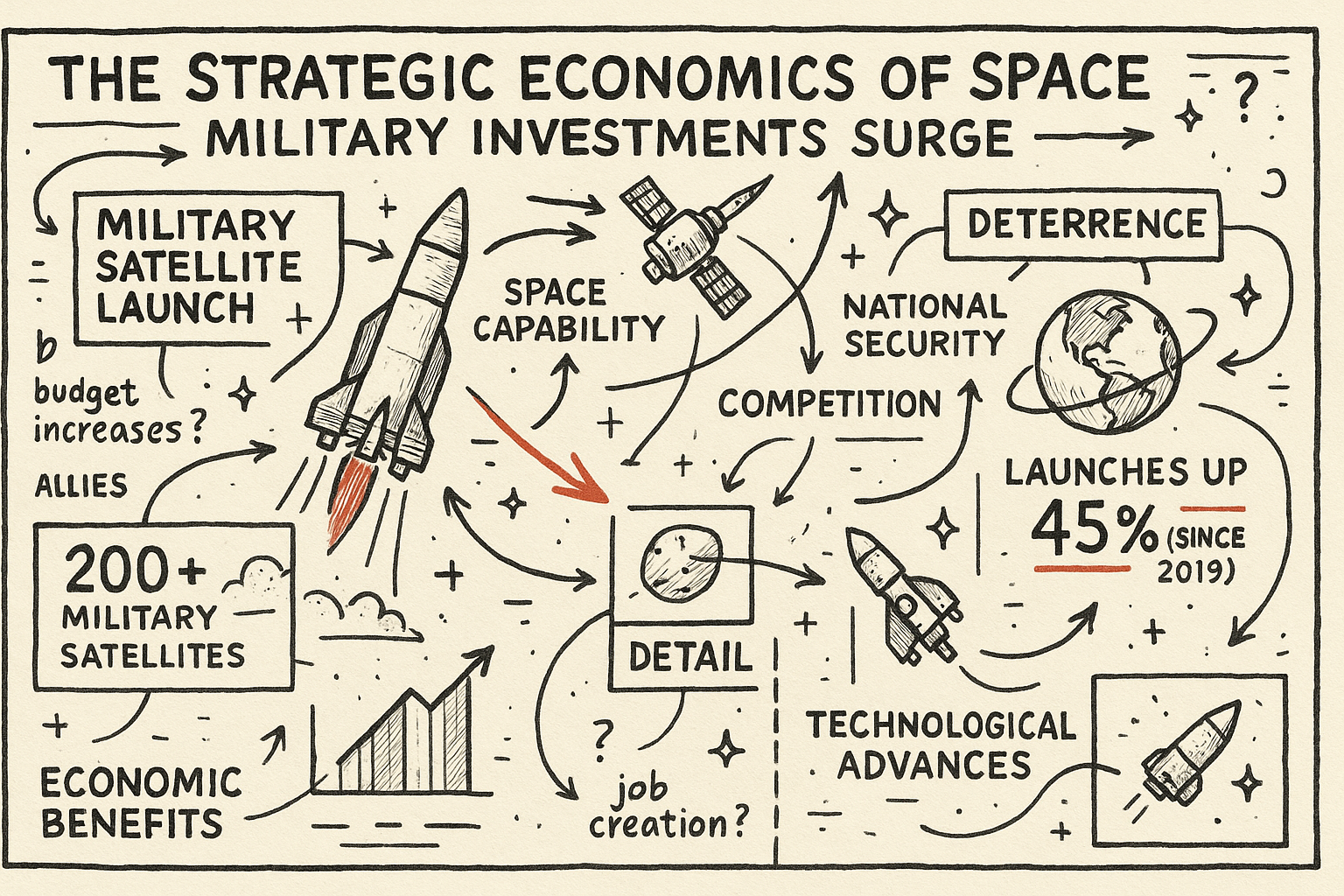
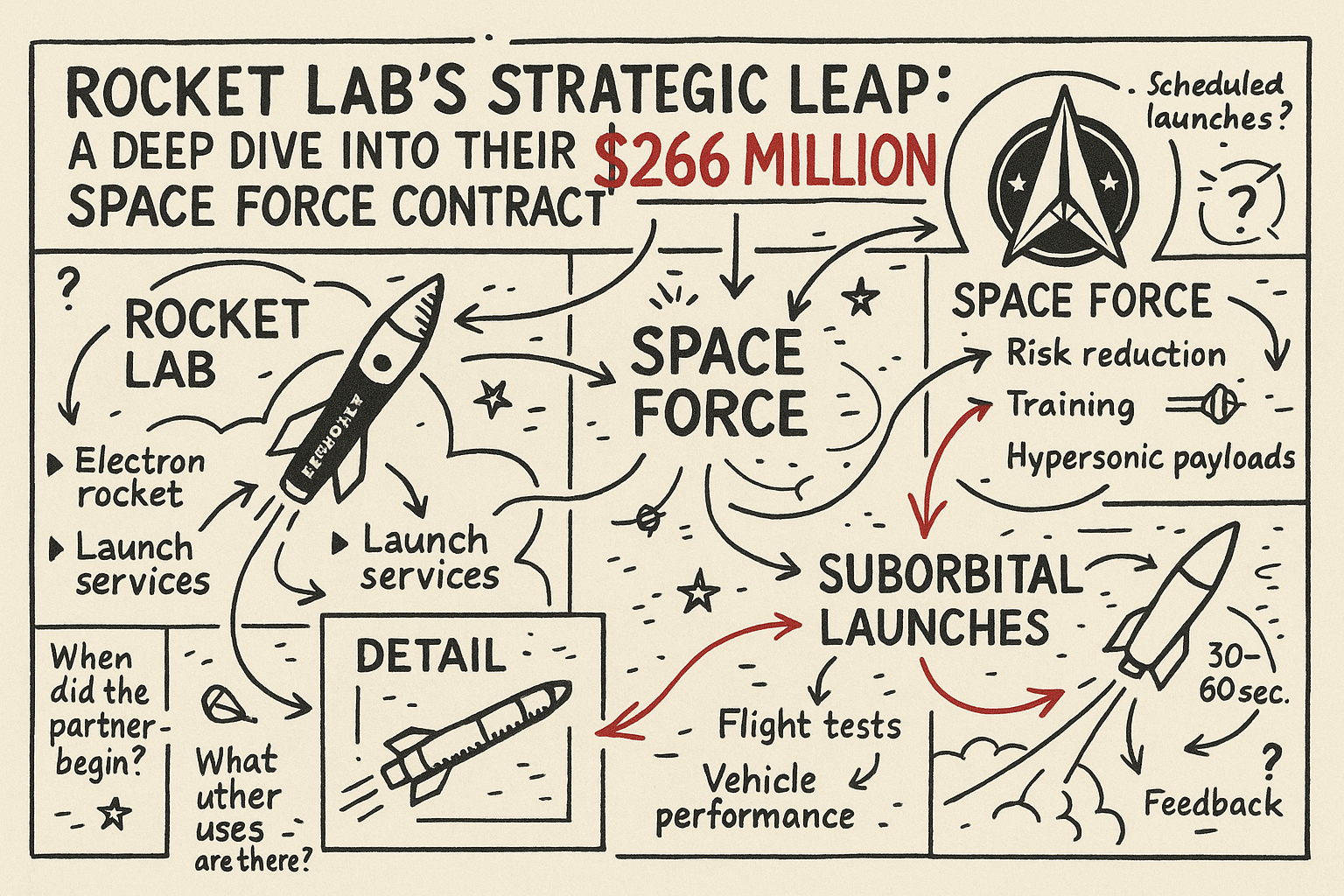
Viasat's recent contract with the U.S. Space Force to build and launch a fleet of small satellites underscores the increasing militarization and strategic importance of space. This contract is part of a broader move by the U.S. to bolster its space capabilities, a crucial element in maintaining technological superiority and national security. Such initiatives are also likely to spur further private sector investments as companies vie for lucrative government contracts.
The Anticipated SpaceX IPO
Perhaps one of the most eagerly awaited events in the commercial space sector is the potential IPO of SpaceX. Venture capitalists predict that this event will not only provide a financial boost to SpaceX but could also elevate the entire industry by attracting more investment and interest. The IPO could redefine market dynamics, offering a model for other space companies considering public offerings.
The Rise of Orbital Data Centers
Another burgeoning trend is the development of orbital data centers (ODCs). Symphony Space's unveiling of the Adagio-XL ODC satellite highlights the growing interest in leveraging space for data storage and processing. ODCs promise to revolutionize data management by offering reduced latency and enhanced security. The concept, which once seemed like science fiction, is becoming a reality as technological capabilities catch up with visionary ideas.
Technological Innovations and Market Expansion
Technological advances continue to propel the industry forward. Beyond Gravity's new propulsion pointing mechanism is a testament to the innovative solutions being developed to enhance satellite maneuverability and efficiency. This is particularly critical for Low Earth Orbit (LEO) constellations, which are becoming increasingly common.
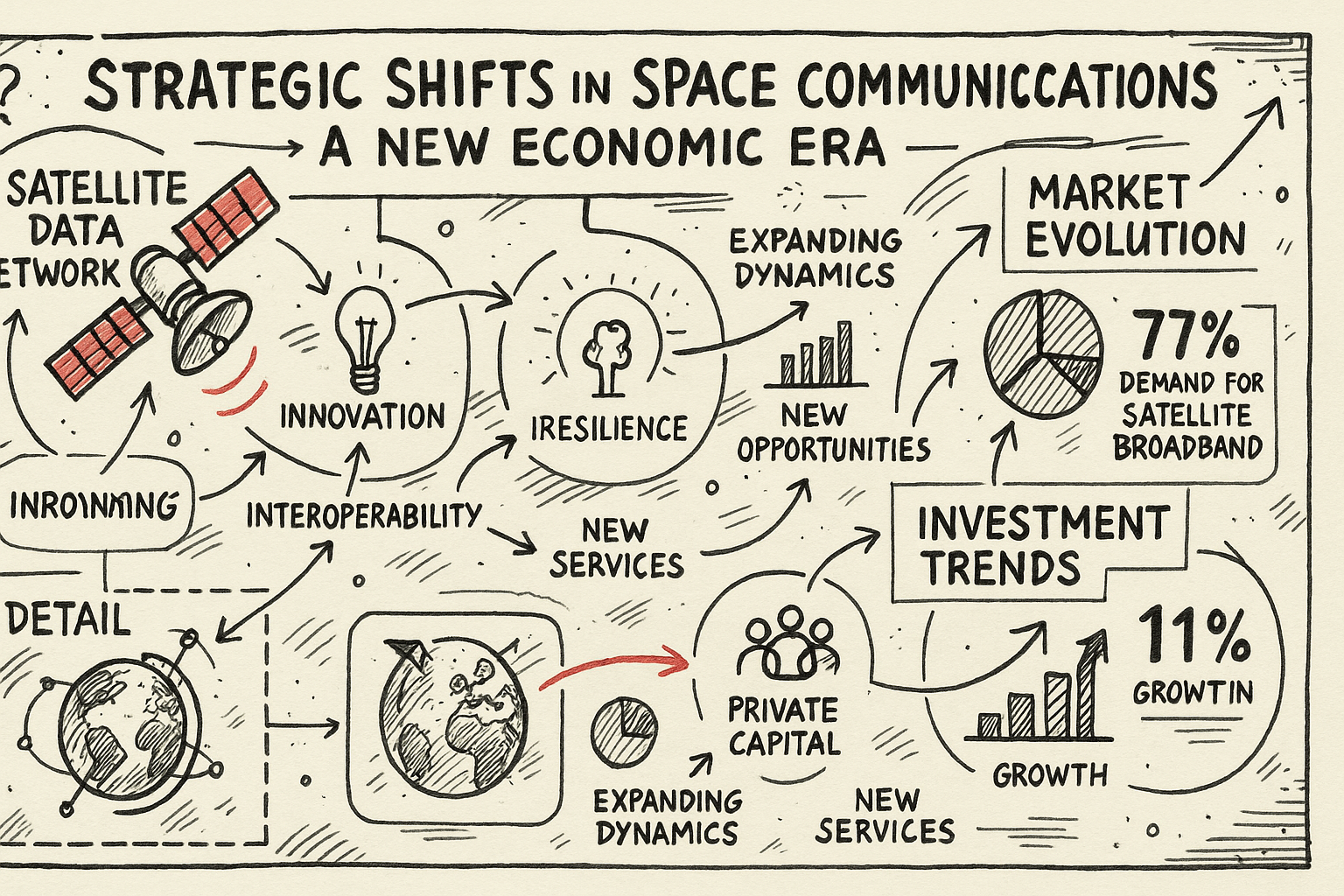
Moreover, the forecasted surge in direct-to-cell (D2C) satellite users, as predicted by Juniper Research, indicates a massive expansion in satellite connectivity services. By 2031, over 130 million users are expected to rely on D2C services, which could revolutionize telecommunications by providing ubiquitous connectivity.
Leadership Changes and Financial Movements
Leadership changes, such as Ann Stevens' appointment as CEO of Iceye U.S., reflect a strategic alignment with emerging opportunities and challenges. Similarly, the IPO of Applied Aerospace & Defense, which raised $650 million, showcases the financial strategies companies are employing to capitalize on the burgeoning market.
Future Implications
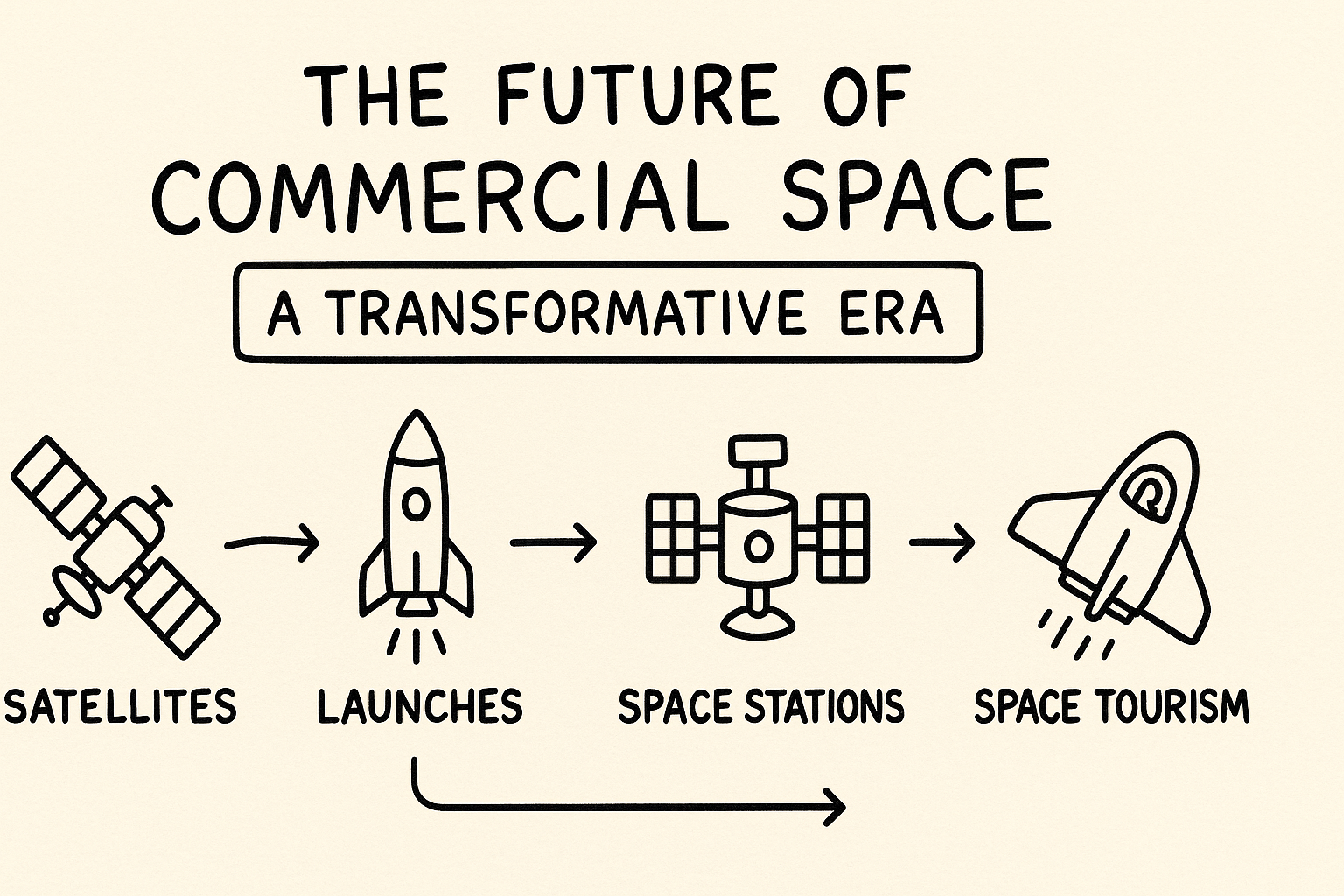
The interplay of these developments suggests a future where commercial space is integral to global infrastructure, impacting everything from national security to everyday telecommunications. The industry's trajectory is not just upward but outward, with potential implications for sectors as diverse as agriculture, climate monitoring, and global internet access.
As the line between commercial and strategic interests in space continues to blur, stakeholders must navigate a complex landscape of innovation, regulation, and competition. The ability to adapt and anticipate shifts will be crucial for companies aiming to lead in this new era of space exploration and utilization.