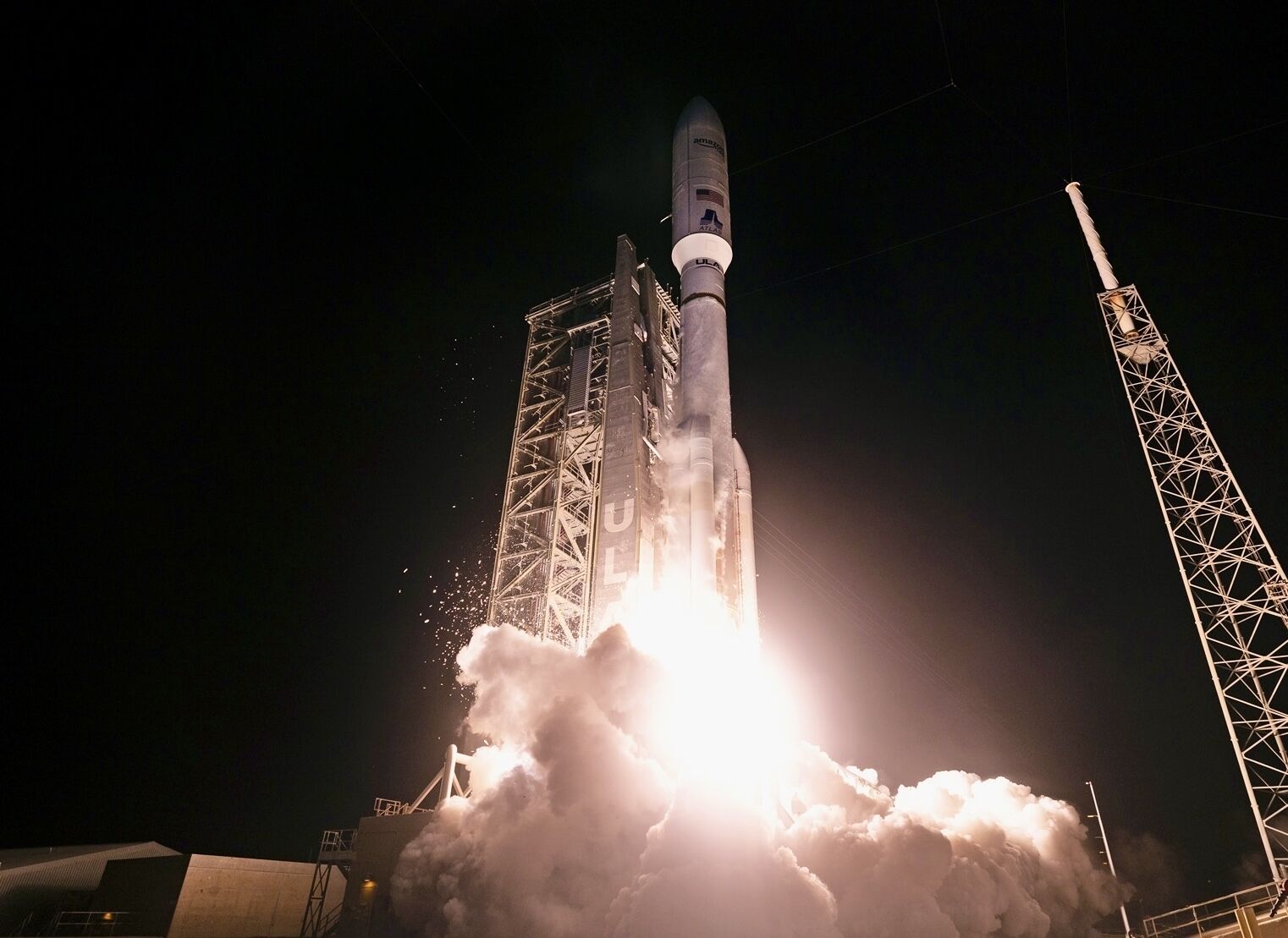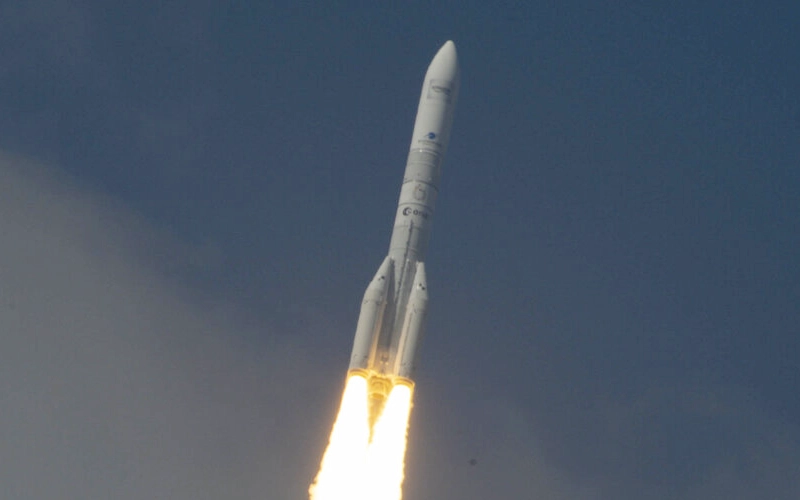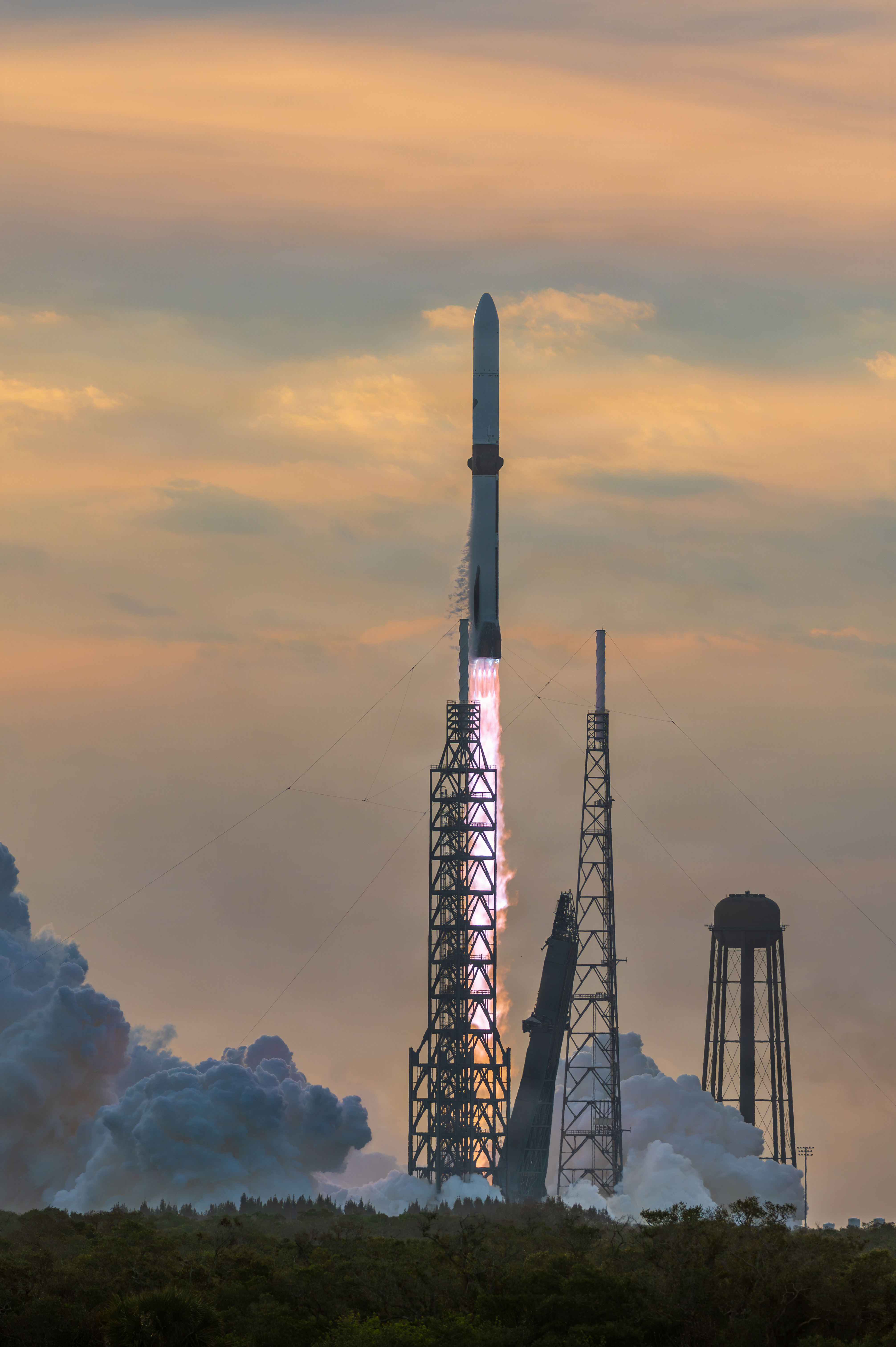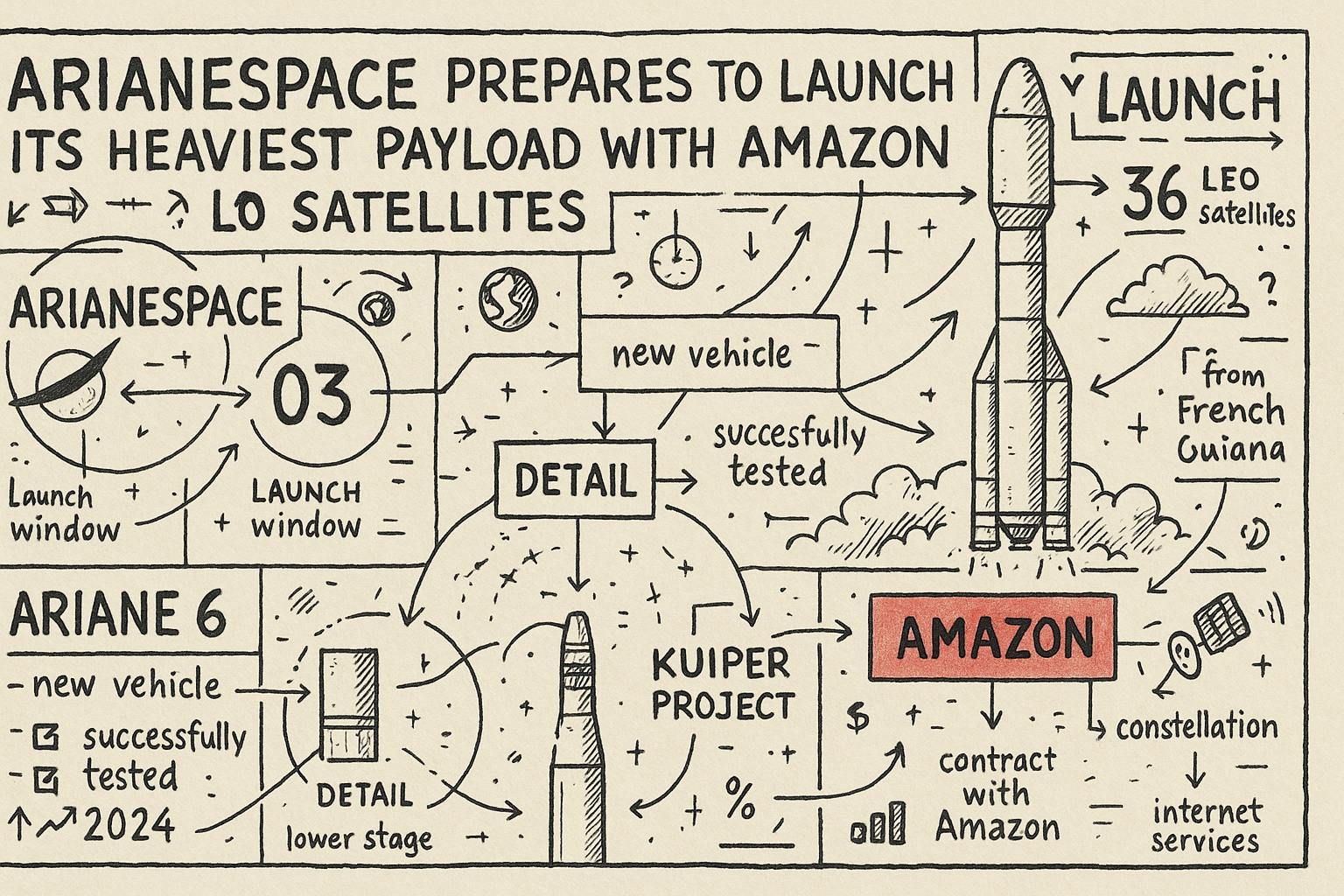
Arianespace is gearing up for a landmark event as it prepares to launch the Leo Europe 03 mission, which is set to become the heaviest payload the company has ever delivered to space. This mission involves sending a batch of 36 Amazon Leo satellites into low Earth orbit, contributing significantly to Amazon's ambitious plans to expand its presence in satellite communications.
The launch is scheduled to take place from Europe's Spaceport located in French Guiana, with the launch window opening at 8:53 a.m. Kourou time (7:53 a.m. EDT / 1153 UTC). The mission underscores Arianespace's capability and reliability in deploying large-scale payloads, a crucial factor as the demand for satellite launches continues to grow globally.
Arianespace has a storied history in the aerospace sector, having been one of the pioneers in commercial space launch services. Established in 1980, the company has played a significant role in making space more accessible for commercial purposes, which has been a critical enabler for the growing satellite industry. Over the decades, Arianespace has launched numerous high-profile missions, but the Leo Europe 03 mission stands out due to its sheer scale and the importance of the technology it will deliver to orbit.
The Amazon Leo satellites are part of a broader initiative by Amazon to develop a constellation that can provide global internet coverage. This initiative is in line with similar projects by other giants in the tech industry, aiming to bridge the digital divide by offering internet services to remote and underserved areas of the world. The deployment of these satellites represents a significant step in Amazon’s strategy to bolster its satellite internet infrastructure and compete with other players like SpaceX's Starlink.
The low Earth orbit (LEO) is a critical area for satellite operations due to its proximity to Earth, which allows for reduced latency in communications—an essential feature for internet services. Satellites in LEO can deliver high-speed internet access, which is especially beneficial for areas that lack terrestrial infrastructure. This makes the Leo Europe 03 mission not just a technical achievement but also a step towards greater global connectivity.
The launch of the Leo Europe 03 mission also highlights the ongoing collaboration between space mission operators and private enterprises aiming to capitalize on the potential of satellite technology. As the space industry continues to evolve, partnerships between established aerospace companies and tech giants are becoming increasingly common, reflecting a shift towards a more integrated approach to space exploration and utilization.
Looking forward, the success of the Leo Europe 03 mission may pave the way for further launches in the Amazon Leo series, potentially increasing the number of satellites in orbit and enhancing the overall coverage and capacity of Amazon's satellite internet service. This mission could set a precedent for future collaborations and innovations in the satellite communications sector.
As Arianespace continues to push the boundaries of what is possible in space launch services, the Leo Europe 03 mission serves as a reminder of the critical role that reliable and capable launch providers play in the burgeoning field of satellite technology. The success of such missions not only advances technological capabilities but also supports initiatives that aim to make global connectivity a reality for all.