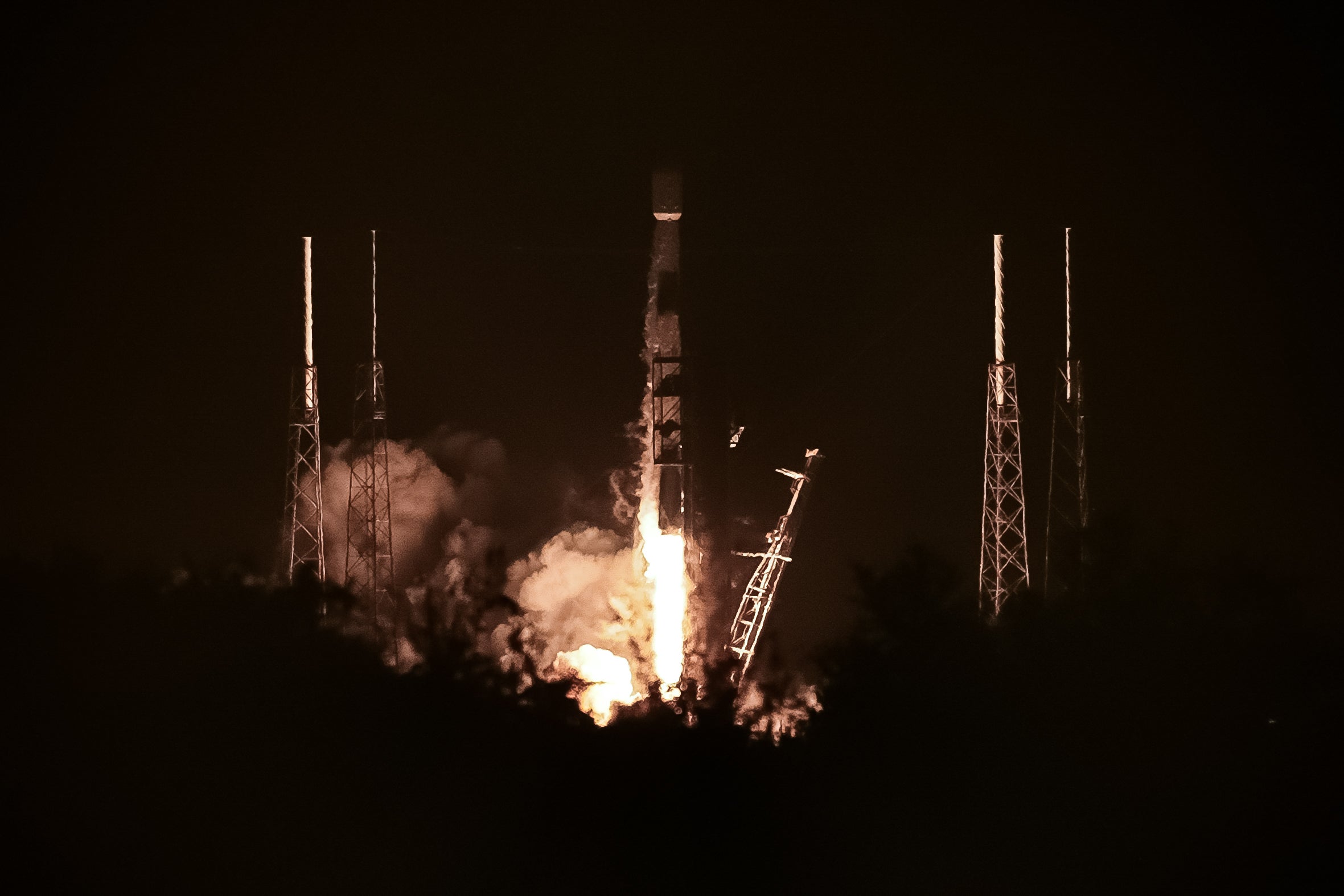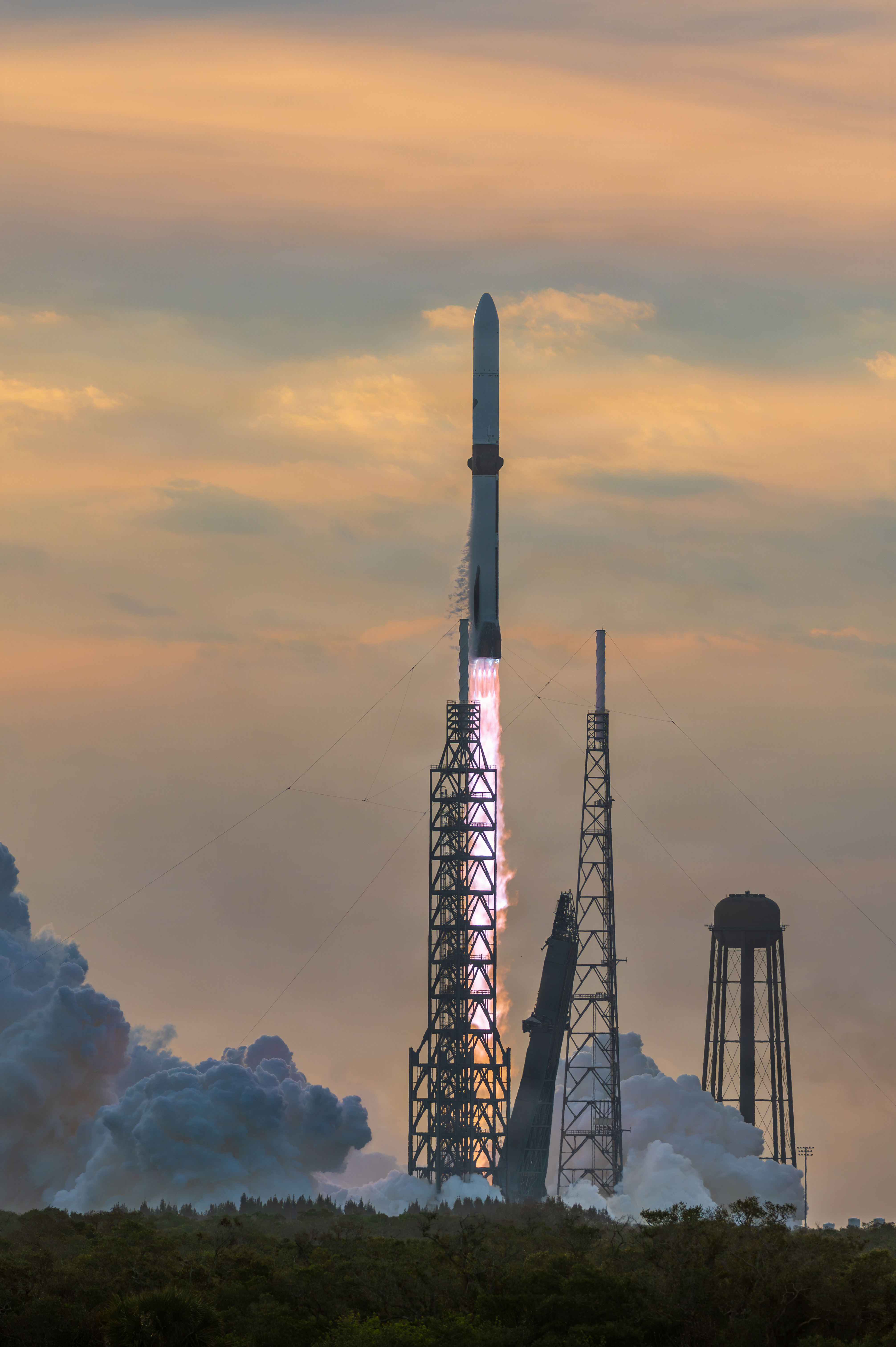
SpaceX has successfully launched three advanced BlueBird Block 2 satellites for AST SpaceMobile from Cape Canaveral Space Force Station. The launch took place at 2:39 a.m. EDT (0639 UTC), marking the continuation of a strategic partnership aimed at revolutionizing global mobile connectivity.
This mission marks the third instance of SpaceX launching satellites for AST SpaceMobile, with this particular launch being the first to include the upgraded Block 2 iteration of the BlueBird satellites. These next-generation satellites are designed to bolster AST SpaceMobile's ambitious project to provide direct-to-cell phone connectivity from space, bypassing the need for traditional cell towers.
Enhancing Global Communication Infrastructure
The Block 2 BlueBird satellites represent a significant evolution in AST SpaceMobile's technology, featuring enhanced capabilities compared to their predecessors. This enhancement is crucial as AST SpaceMobile continues its mission to build a space-based cellular broadband network that can connect directly to standard mobile phones. Such a network has the potential to provide coverage in remote and underserved regions where traditional infrastructure is lacking or economically unfeasible.
By deploying these satellites, AST SpaceMobile aims to close the digital divide, offering reliable internet access globally, from rural areas to urban centers. The ability to provide mobile services directly from space could transform the telecommunications industry by significantly reducing the infrastructure costs associated with ground-based networks.
SpaceX's Role in Satellite Deployment
SpaceX has been a pivotal partner in AST SpaceMobile's journey towards operationalizing its space-based network. The launch from Cape Canaveral was carried out using a Falcon 9 rocket, known for its reliability and reusability. This collaboration is part of SpaceX's broader strategy to support innovative satellite communications projects, further solidifying its role as a leader in the commercial space launch industry.
The successful deployment of the Block 2 BlueBird satellites underscores the growing importance of partnerships between satellite operators and launch providers. By working closely with SpaceX, AST SpaceMobile can focus on its core mission of expanding mobile connectivity, relying on SpaceX's proven launch capabilities to deploy their technology into orbit efficiently.
Looking Ahead: Implications and Prospects
The deployment of the Block 2 BlueBird satellites is a stepping stone towards AST SpaceMobile's goal of launching a full constellation of satellites, which is necessary to provide consistent global coverage. As the company progresses towards this goal, the implications for global telecommunications could be profound. The ability to provide direct-to-device connectivity from space could democratize access to mobile services, making them available in regions that have historically been difficult to serve.
Moreover, this technology holds promise for emergency services and disaster response, where rapid deployment of communication networks is crucial. In scenarios where ground-based infrastructure is compromised, having a space-based network can ensure continued connectivity, aiding in coordination and relief efforts.
The successful launch of these satellites also highlights the potential economic impact of expanding satellite networks. As more companies look to launch their own constellations for various applications, the demand for launch services is expected to grow, driving further advancements in launch technology and reducing costs through increased competition.
In conclusion, the launch of the Block 2 BlueBird satellites by SpaceX marks a significant milestone in AST SpaceMobile's efforts to revolutionize mobile connectivity. As the company moves closer to achieving its vision of a global space-based cellular network, the prospects for enhanced communication capabilities and expanded internet access continue to grow, promising a more connected world.