The satellite servicing economy is on the brink of transformation, drawing lessons from the established systems of carbon credits to address sustainability and economic challenges. This shift comes amidst a dramatic increase in satellite launches, with the Federal Communications Commission authorizing a staggering 15,000 Starlink Gen2 satellites in January 2026 alone. Compounding this, Starcloud has filed for an additional 88,000 orbital data center satellites, and SpaceX has ambitiously filed for 1 million satellites.
As our skies grow increasingly crowded with satellites, the potential for collision and space debris escalates, necessitating robust solutions to manage these risks. Here is where the satellite servicing economy can take a page from the carbon credits playbook. Carbon credits have long been used to incentivize industries to reduce their carbon emissions, offering a pathway for satellite servicing to similarly encourage responsible behavior in space.
Carbon credit systems function by assigning a value to carbon emissions, allowing companies to trade credits that equate to a specific amount of emissions. This market-driven approach has been effective in promoting reductions in emissions through economic incentives. Similarly, a system could be developed where satellite operators are rewarded for minimizing debris and maintaining orbital paths, thus promoting sustainable practices.
Satellite servicing, which includes refueling, repairing, and de-orbiting satellites, can reduce the proliferation of space junk and extend the lifespan of satellites, thereby reducing the need for launching new ones. This aligns well with the principles of carbon credits, which aim to reduce environmental impact through efficient resource use and waste management.
The burgeoning satellite economy presents both opportunities and challenges. With the planned deployments by companies like SpaceX and Starcloud, the need for effective satellite servicing solutions is more pressing than ever. The ability to service satellites in orbit could drastically reduce costs associated with satellite replacement and mitigate the environmental impact of continuous launches.
However, implementing a system akin to carbon credits in space raises questions regarding regulation and enforcement. Unlike carbon emissions, which are confined to national borders, space is a global commons, requiring international cooperation and regulation. The establishment of a governing body or an international treaty could be pivotal in managing such a system, ensuring compliance and fostering collaboration among nations and private entities.
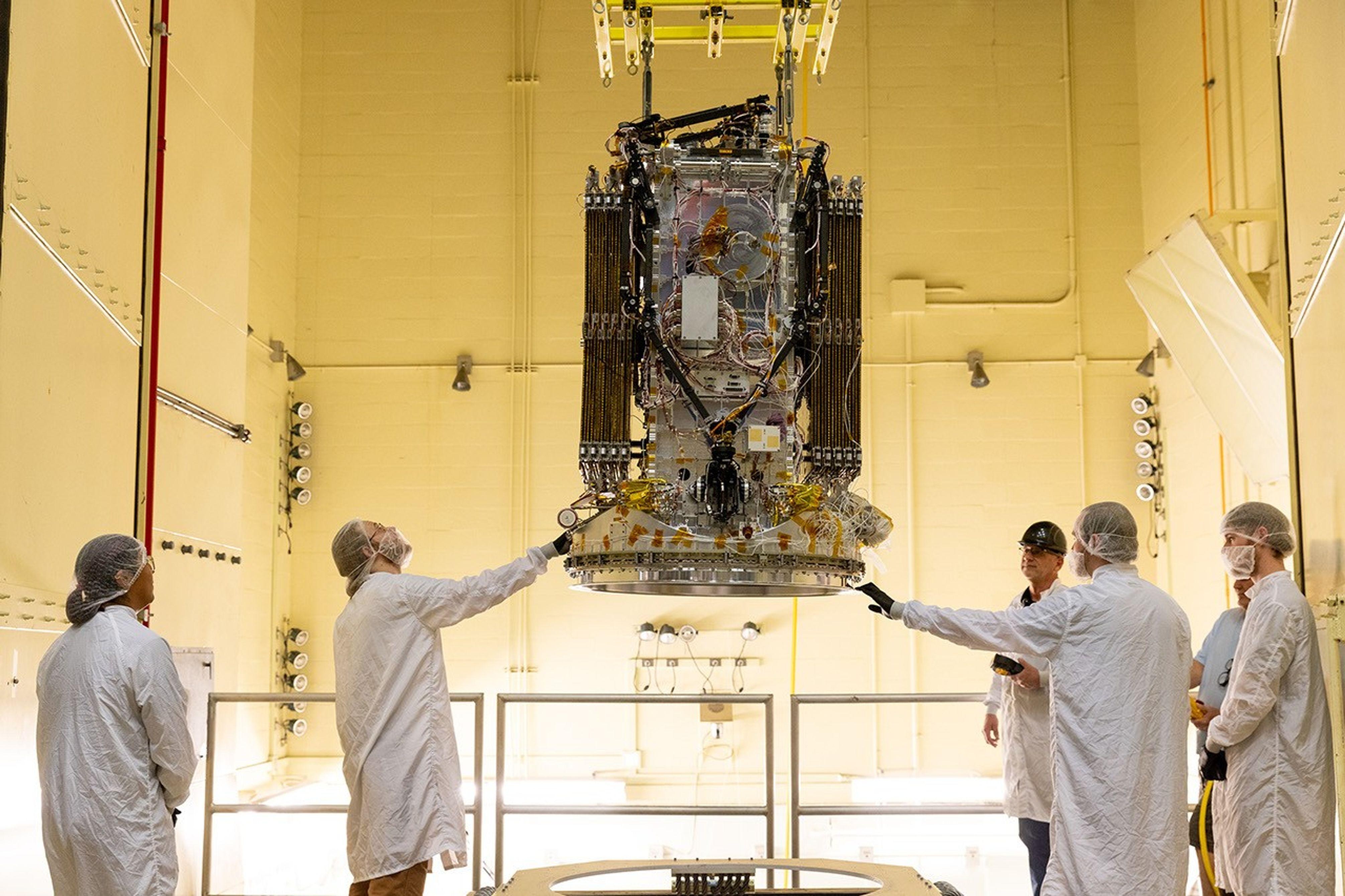
Furthermore, the technological advances required to service satellites in orbit are not without their challenges. Developing the necessary infrastructure and technology to perform on-orbit servicing at scale is a significant hurdle. Yet, it is a challenge that the industry is eagerly tackling, with several companies already making strides in this area.
The lessons from carbon credits offer a framework for addressing these challenges. By assigning economic value to responsible satellite operations, akin to how carbon credits assign value to reductions in emissions, the industry can incentivize sustainable practices. This approach could ensure that satellite operators prioritize long-term environmental stewardship alongside economic growth.
As the satellite economy continues to expand, drawing parallels with carbon credit systems provides a promising path forward. It offers a way to balance economic viability with environmental responsibility, ensuring that the benefits of satellite technology can be enjoyed without compromising the health of our orbital environment. The future of satellite servicing may well depend on the successful adaptation of these lessons, paving the way for a sustainable space economy.