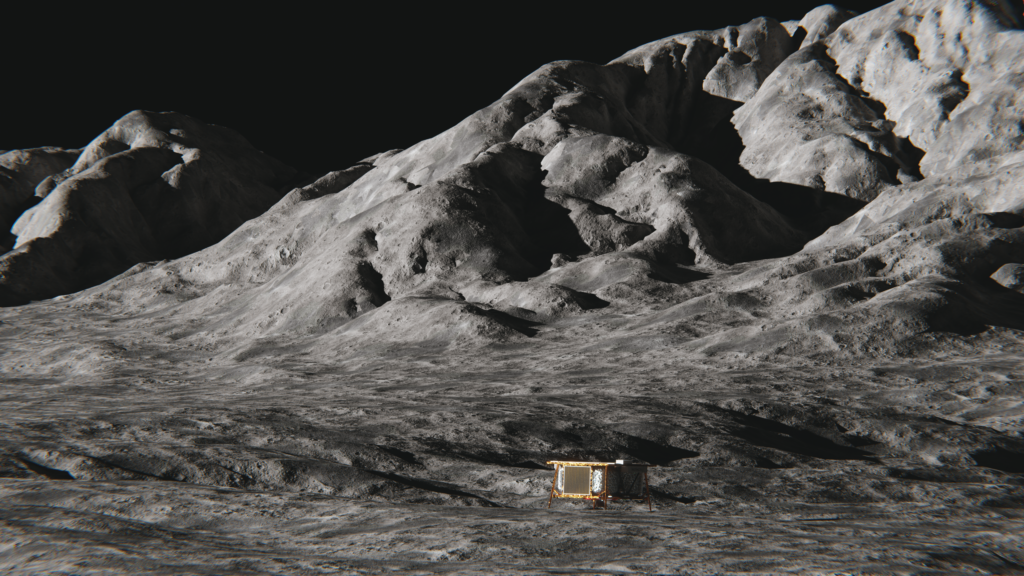
Instinct Space, a burgeoning player in the space technology sector, has unveiled plans to develop a series of low-cost lunar landers. This strategic shift marks a significant expansion of the company’s ambitions, transitioning from its initial role in aiding lunar surface missions to taking an active part in landing operations.
Announced on June 17, 2026, Instinct Space’s new initiative aims to democratize access to lunar exploration by reducing the financial barriers. The company has recognized the increasing interest in lunar missions from both governmental and commercial entities and is positioning itself to tap into this burgeoning market by offering affordable solutions.
The company's strategy reflects a broader trend in the aerospace industry, where cost reduction and sustainable access to space are becoming key priorities. By offering lower-cost options, Instinct Space hopes to cater to smaller organizations and countries that may have previously found the cost of lunar exploration prohibitive.
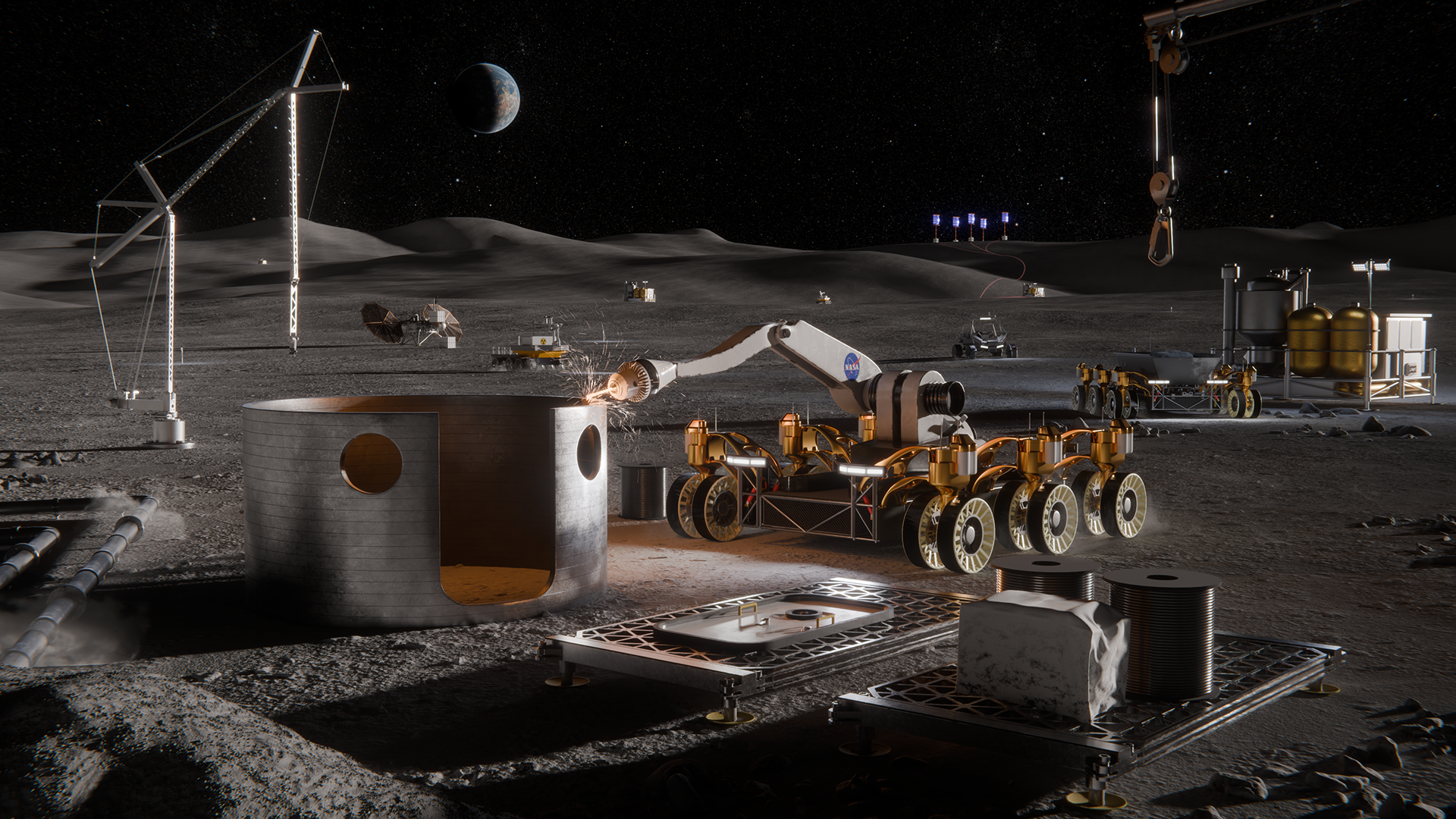
While specific technical details of the landers have not been fully disclosed, the announcement suggests a focus on modularity and efficiency. These landers are expected to be versatile, capable of supporting a variety of missions ranging from scientific research to potential resource extraction. The emphasis on cost-effectiveness could significantly alter the landscape of lunar exploration, making it feasible for a wider array of missions.
Historically, lunar missions have been dominated by a few major space agencies with significant budgets. However, the landscape is rapidly evolving. The private sector’s involvement in space exploration has been growing, driven by technological advancements and the vision of companies like SpaceX and Blue Origin. Instinct Space’s entry into this market underscores the potential for smaller companies to make significant contributions to space exploration.
Instinct Space’s move is timely, coinciding with renewed global interest in lunar exploration. The Moon is viewed not only as a site for scientific discovery but also as a potential stepping stone for human exploration of Mars and beyond. The presence of water ice, valuable for both sustaining life and as a resource for fuel, has made the Moon a focal point for future space missions.
The implications of Instinct Space’s plans extend beyond immediate business opportunities. By lowering costs, the company could enable a new wave of lunar research and development, fostering international collaborations and potentially accelerating the timeline for establishing a sustained human presence on the Moon.
As the space industry continues to evolve, the role of private enterprises like Instinct Space becomes increasingly pivotal. Their ability to innovate and reduce costs could transform how lunar missions are planned and executed, paving the way for a more accessible and collaborative future in space exploration.