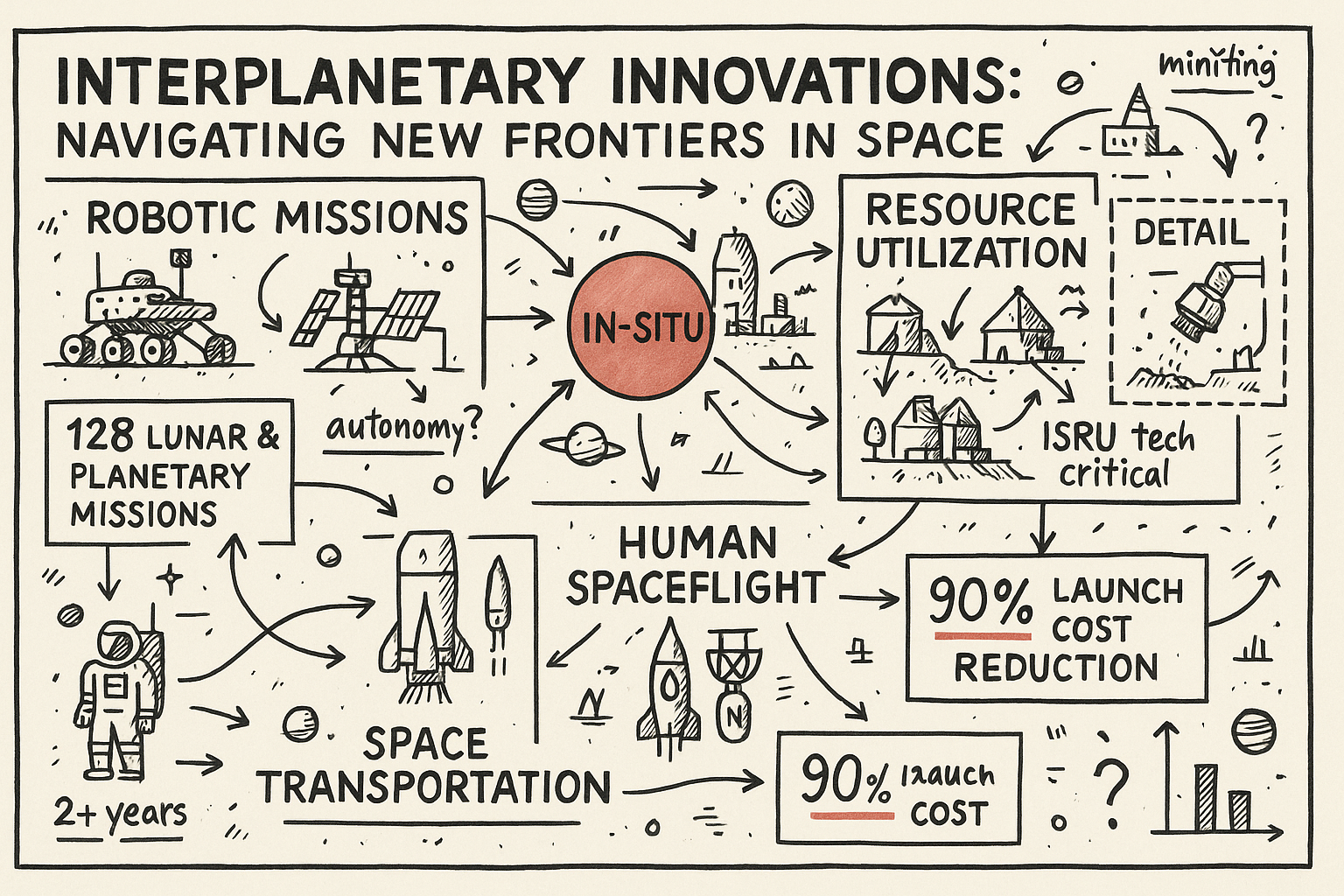
In the ever-evolving realm of space exploration, recent developments underscore a significant shift toward innovation and collaboration. From the Martian skies to the volcanic terrains of Earth, new technologies are reshaping our approach to both celestial and terrestrial observation.
Martian Exploration: A New Dawn
The NASA SkyFall mission marks a bold leap in Mars exploration. Central to this mission are three lightweight helicopters, each equipped with an ultralight radar antenna. As highlighted by recent tests, these helicopters will employ ground-penetrating radar to search for frozen water, a resource critical for future manned missions. This approach not only exemplifies technological ingenuity but also sets the stage for autonomous extraterrestrial resource management.
Interestingly, the flexible radar antennas designed for Martian exploration echo the lightweight, foldable structures used in modern satellite technology. This cross-application of design principles signifies a growing trend in space exploration: leveraging existing technologies to address new challenges.
Lunar Ventures: Testing Grounds on Earth
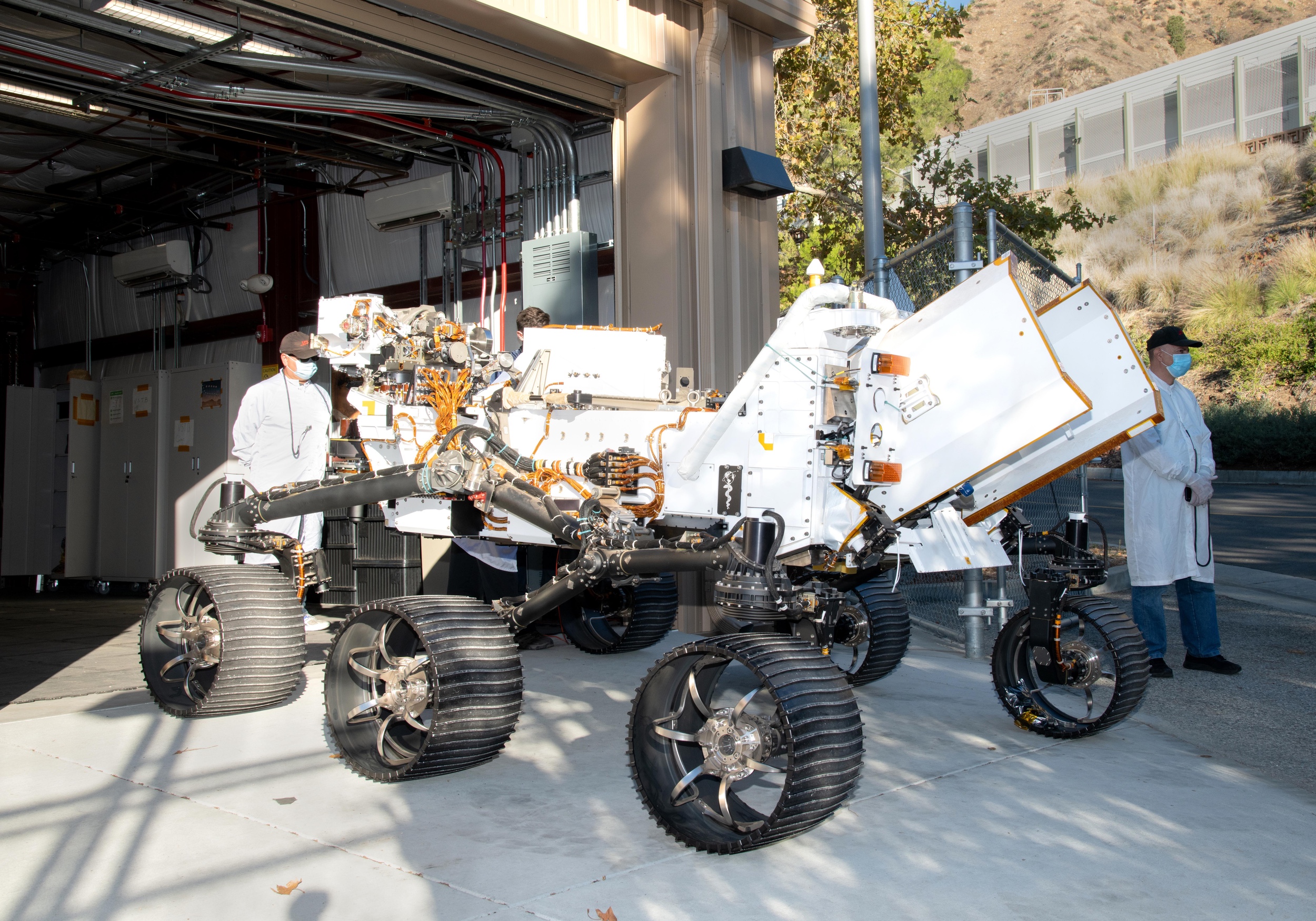
Closer to home, the slopes of Mount Etna serve as a proving ground for lunar exploration technologies. The ETNA rover, part of Italy's ULS program, underwent rigorous testing in this volcanic landscape. The tests, which included autonomous navigation and regolith collection, simulate the harsh conditions of the Moon's south pole. Such terrestrial analogs are vital for refining technologies before their deployment in more hostile environments.
This approach isn't new; however, its application in diverse environments like Etna underscores the importance of flexible, adaptable systems in exploration missions. These tests also exemplify international collaboration, as countries pool resources and expertise to tackle the complexities of lunar exploration.
Observing Earth from New Heights
Meanwhile, the field of Earth observation is experiencing its own revolution. The Italian Space Agency's EarthNext mission aims to demonstrate the potential of low-orbit satellites for detailed terrestrial monitoring. Such advancements could significantly enhance our understanding of climate change, resource management, and disaster response.
The strategic placement of satellites in very low Earth orbit offers unprecedented resolution and data quality. However, it also presents challenges, such as increased atmospheric drag, which engineers must address to ensure mission longevity and data accuracy.
Launches and the Space Race
In the same vein, upcoming launches like Ariane 6 and Vega-C further highlight the competitive yet collaborative nature of space exploration. These missions are not only about deploying satellites but also about maintaining a foothold in the burgeoning space economy. The scheduled launches aim to enhance Europe's capabilities in meteorological and environmental monitoring, showcasing the continent's commitment to leading in space-based Earth observation.
As the space race evolves, we're witnessing a shift from purely national endeavors to multinational collaborations, with shared goals and pooled resources. This trend is essential for addressing the global challenges that space exploration seeks to solve.
Looking Forward: A New Era of Exploration
The convergence of these developments suggests a new era of exploration where technological innovation and international collaboration are pivotal. As these missions progress, they will likely inform and inspire future initiatives, fostering a spirit of discovery and problem-solving beyond our planet.
Moreover, the implications of these advancements extend beyond technology and exploration. They challenge our traditional views on resource management, sustainability, and international cooperation, urging us to think more globally in our approach to both Earth and space.