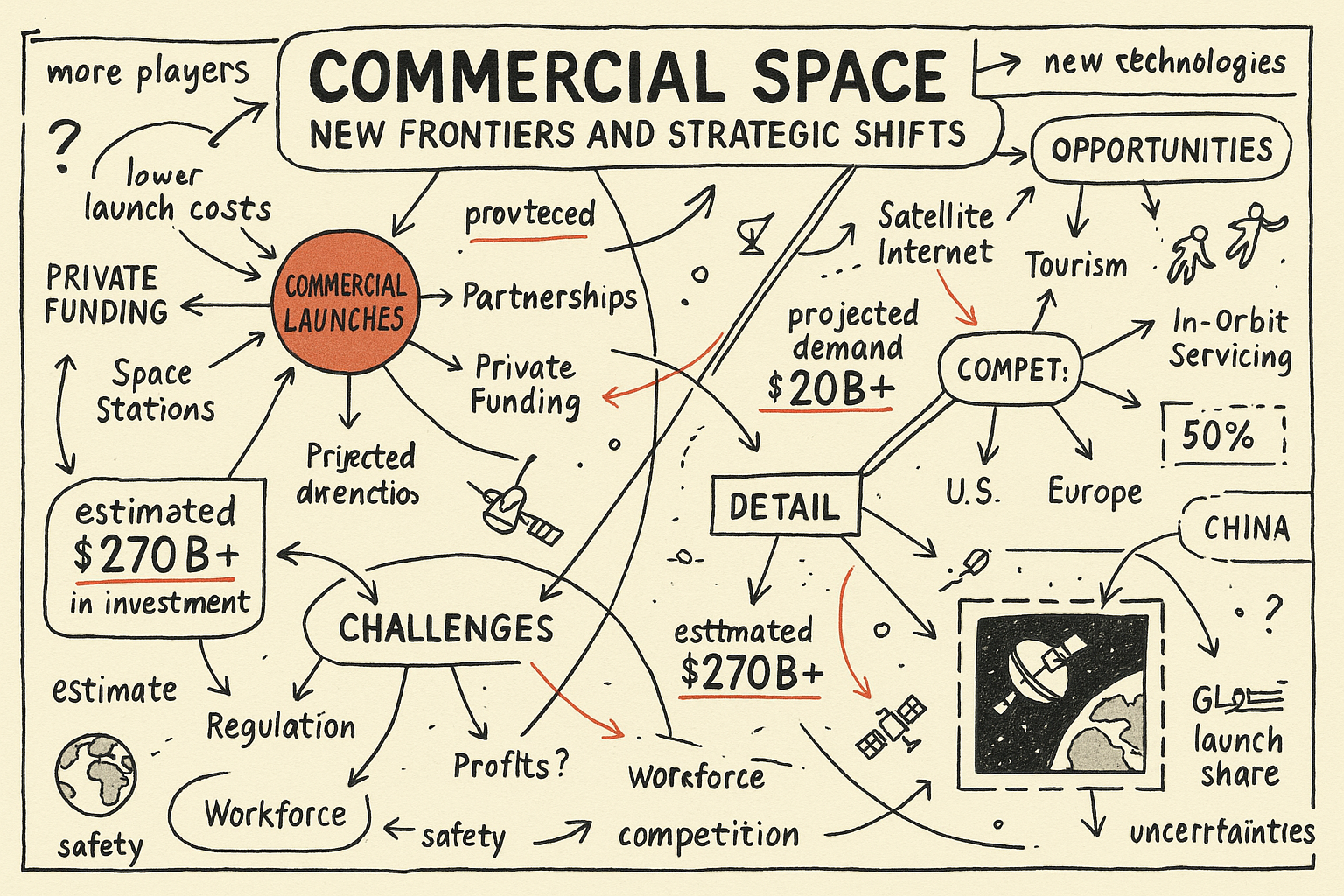
The commercial space sector is experiencing a transformative period, driven by technological innovation, strategic investments, and geopolitical maneuvers. Recent developments indicate a dynamic landscape where public and private entities are reshaping the future of space exploration and utilization.
SpaceX and the Commercialization of Space Stocks
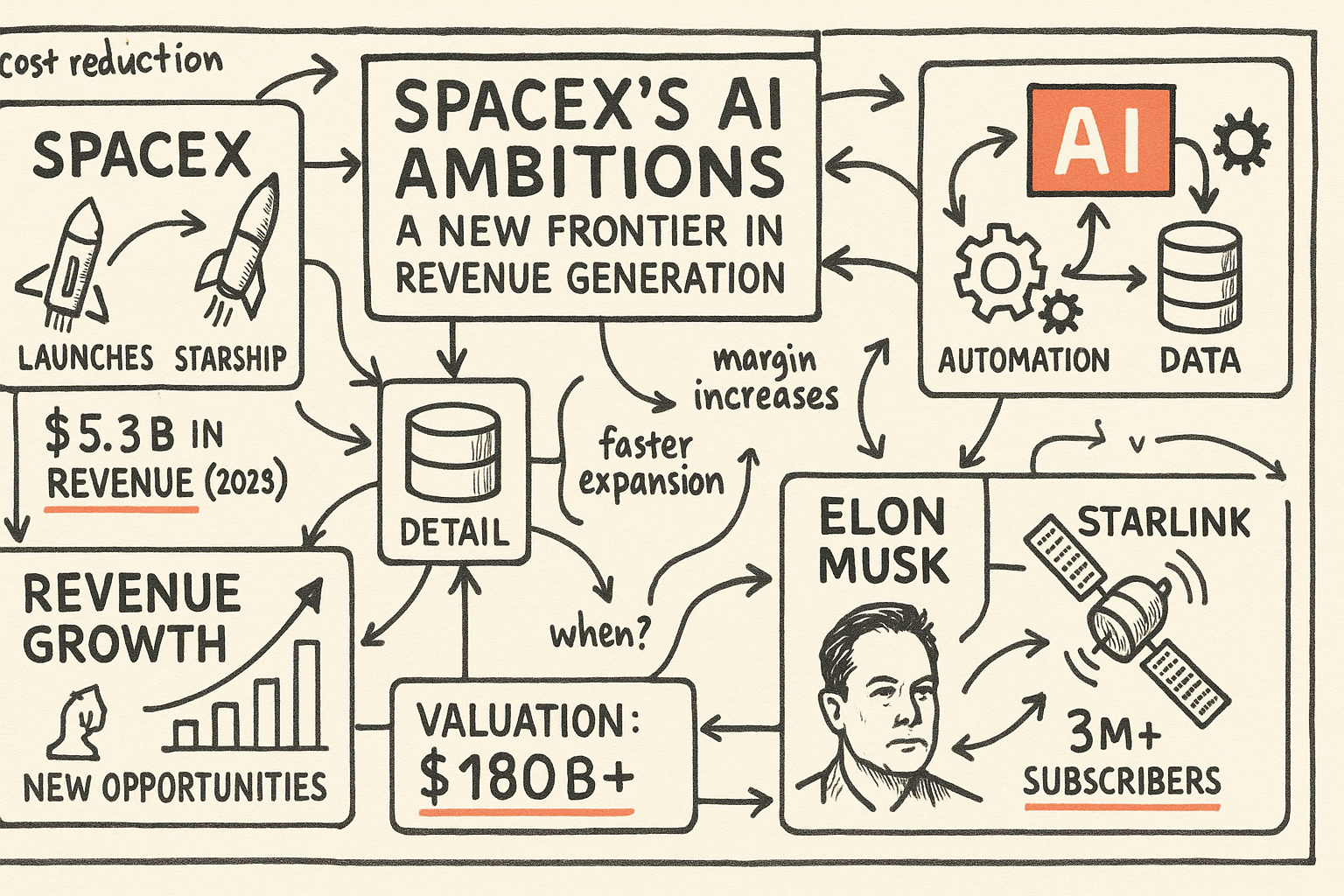
The debut of SpaceX stock on Robinhood has attracted record-breaking traffic, indicating robust public interest in commercial space ventures. This event underscores a broader trend where private space companies are becoming key players in the investment ecosystem. As accessibility to space investment broadens, it democratizes participation in space ventures, potentially accelerating innovation and economic growth in the sector.
Quantum Technologies: The Next Frontier
The recent executive order by the U.S. administration to accelerate quantum space applications marks a significant strategic shift. Quantum technologies promise revolutionary advancements in secure communications and navigation. This move aligns with a global push towards integrating quantum capabilities into national security and commercial frameworks, setting the stage for a new era of space-based technologies.
China's Ambitious Plans
China is making headlines with its development of 7-meter-diameter reusable rockets and the secretive operations of its spaceplane, which recently released an object into orbit. These initiatives highlight China's commitment to advancing its space capabilities and reducing dependency on foreign technology. China's strides in reusable rocket technology could significantly lower launch costs, enhancing its competitiveness in the global market.
Global Connectivity and New Constellations
The proliferation of Low-Earth Orbit (LEO) constellations is reshaping global connectivity. Jio Platforms in India is evaluating the launch of a sovereign LEO constellation, emphasizing the strategic importance of national satellite networks. Simultaneously, the Bezos Earth Fund's investment in the FireSat constellation demonstrates a growing interest in leveraging space assets for environmental monitoring and disaster management.
Policy and Strategic Implications
The introduction of the NEW HORIZON Act, which considers commercial orbital data centers for national security missions, indicates a convergence of commercial and governmental interests in space. Such policies reflect a recognition of the commercial sector's critical role in national security and the potential of public-private partnerships to enhance capabilities.
Meanwhile, the evolution of direct-to-device (D2D) connectivity, as discussed by Skylo's Mindel De La Torre, shows how satellite technology is increasingly integrated into everyday life. This capability not only enhances communication networks but also expands the commercial space industry's market reach.
Charting the Future
The commercial space sector is on the brink of significant changes, driven by technological progress, investment influx, and strategic policy shifts. As nations and companies race to secure their foothold in space, the interplay between commercial ambitions and national interests will define the next chapter of space exploration.
The future of commercial space is not just about reaching new frontiers but also about building sustainable frameworks that balance innovation with security and economic growth.