The commercial space sector is undergoing a transformative period marked by a dual trend of national sovereignty and international collaboration. As nations and private enterprises aim to carve out their niches in the cosmos, the landscape is becoming increasingly complex and interconnected.
Rising Sovereignty in Space
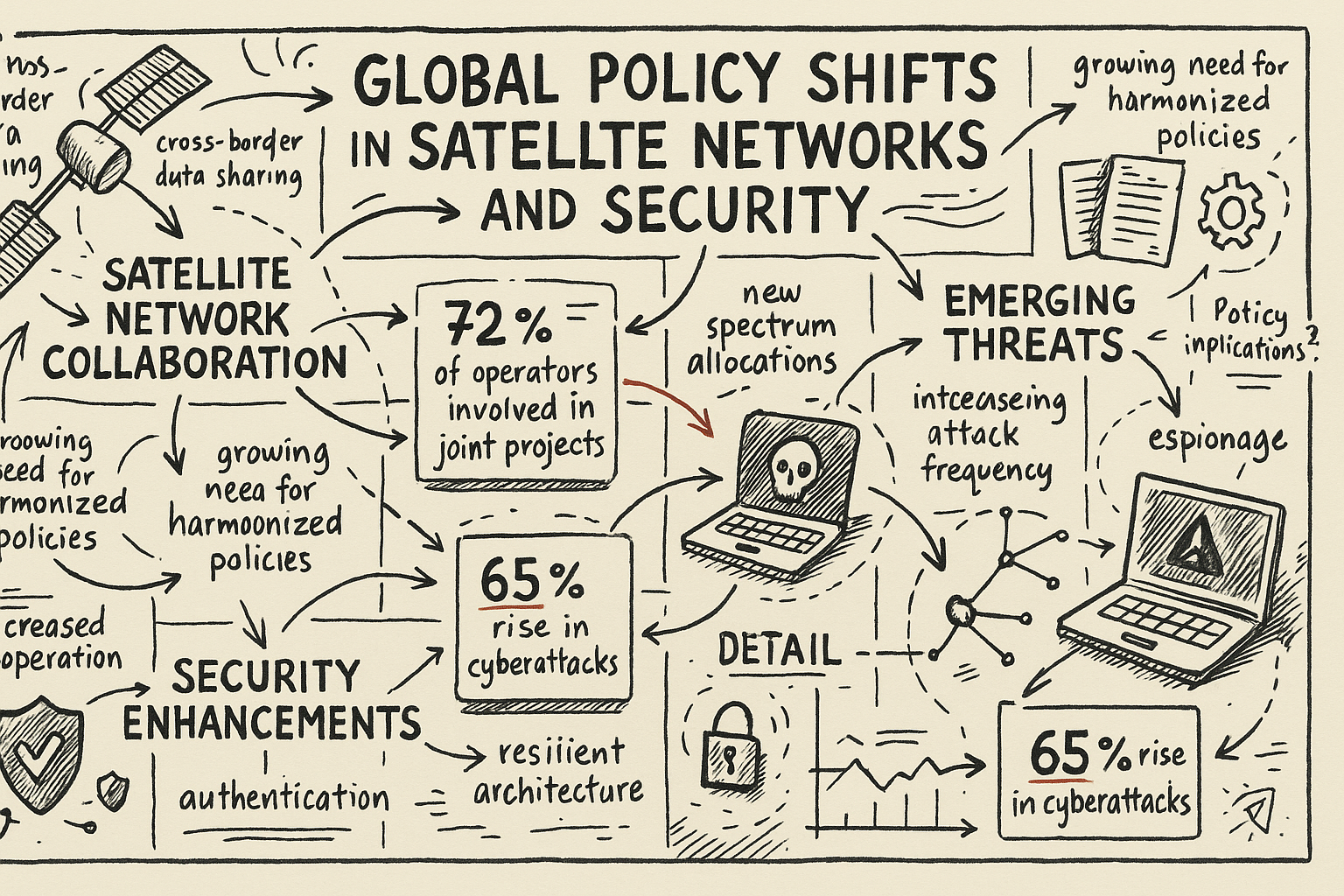
Both Japan and India are making strides towards establishing their own sovereign satellite networks, as highlighted in recent announcements. Japan's J-LEO initiative aims to create a domestically owned D2D satellite network, while India's Jio Platforms is pursuing a sovereign LEO constellation. These moves are indicative of a broader trend where nations seek to secure independent space capabilities, ensuring their strategic autonomy in a domain traditionally dominated by a few major players.
These initiatives reflect a historical shift from the early days of space exploration, where government agencies like NASA and Roscosmos were the primary actors. Now, countries are leveraging commercial partnerships to accelerate their space ambitions, a move that not only diversifies their space portfolios but also mitigates the risks of reliance on foreign technologies.
Commercial Ventures and Government Collaborations
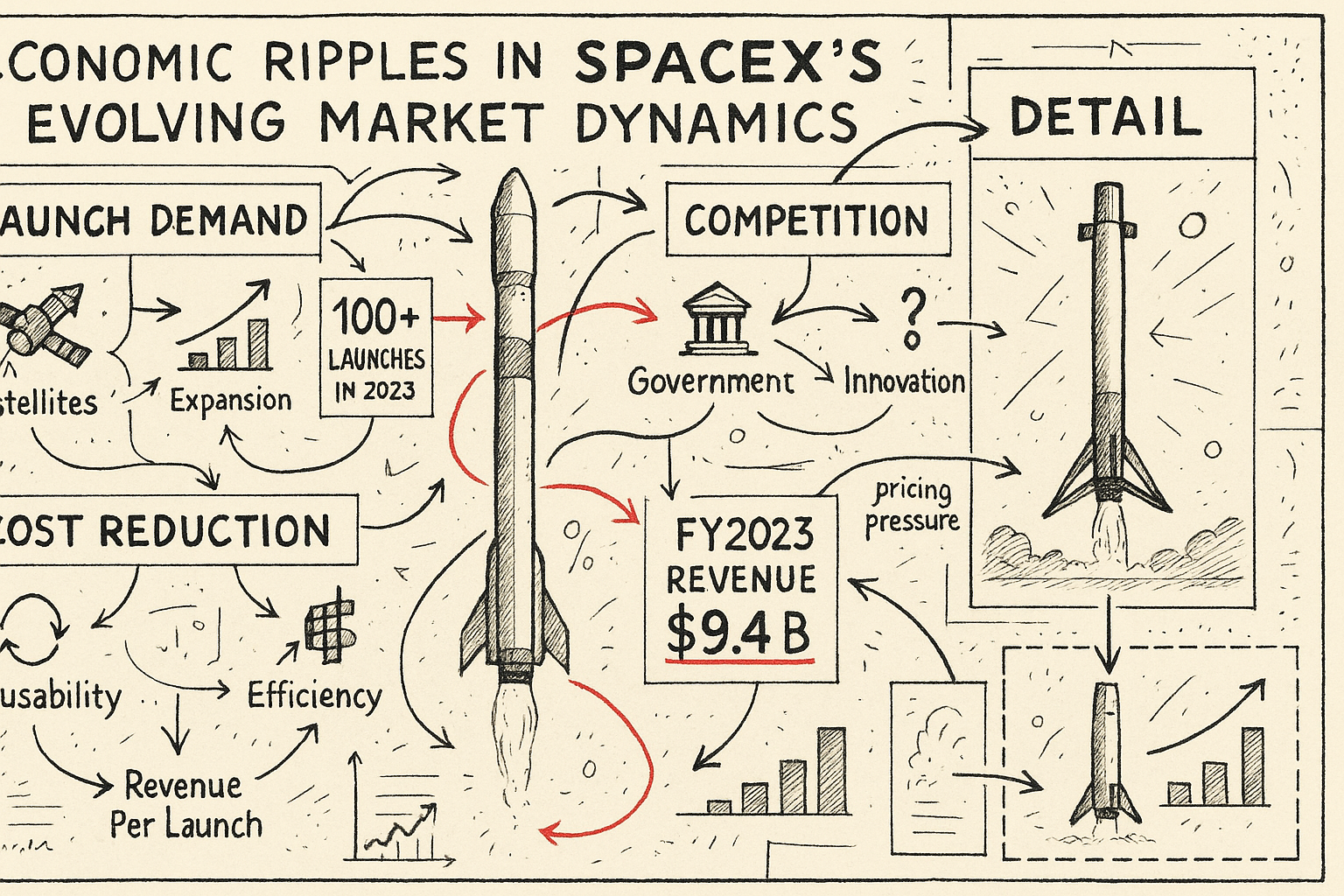
While sovereignty is a key theme, collaboration remains crucial. The U.S. State Department's recent agreement with SpaceX's Starlink exemplifies how commercial space capabilities are being harnessed for governmental purposes. The two-year initiative aims to bolster disaster response capabilities, showcasing the practical applications of commercial satellite networks in addressing global challenges.
Similarly, in Europe, companies like Spain's FOSSA and Germany's OHB are securing funding to expand their capabilities and pursue acquisitions. FOSSA's focus on IoT satellite technology and OHB's expansion plans highlight the dynamic growth of commercial space sectors in Europe, offering a counterbalance to U.S. and Asian advancements.
Financial Implications and Challenges
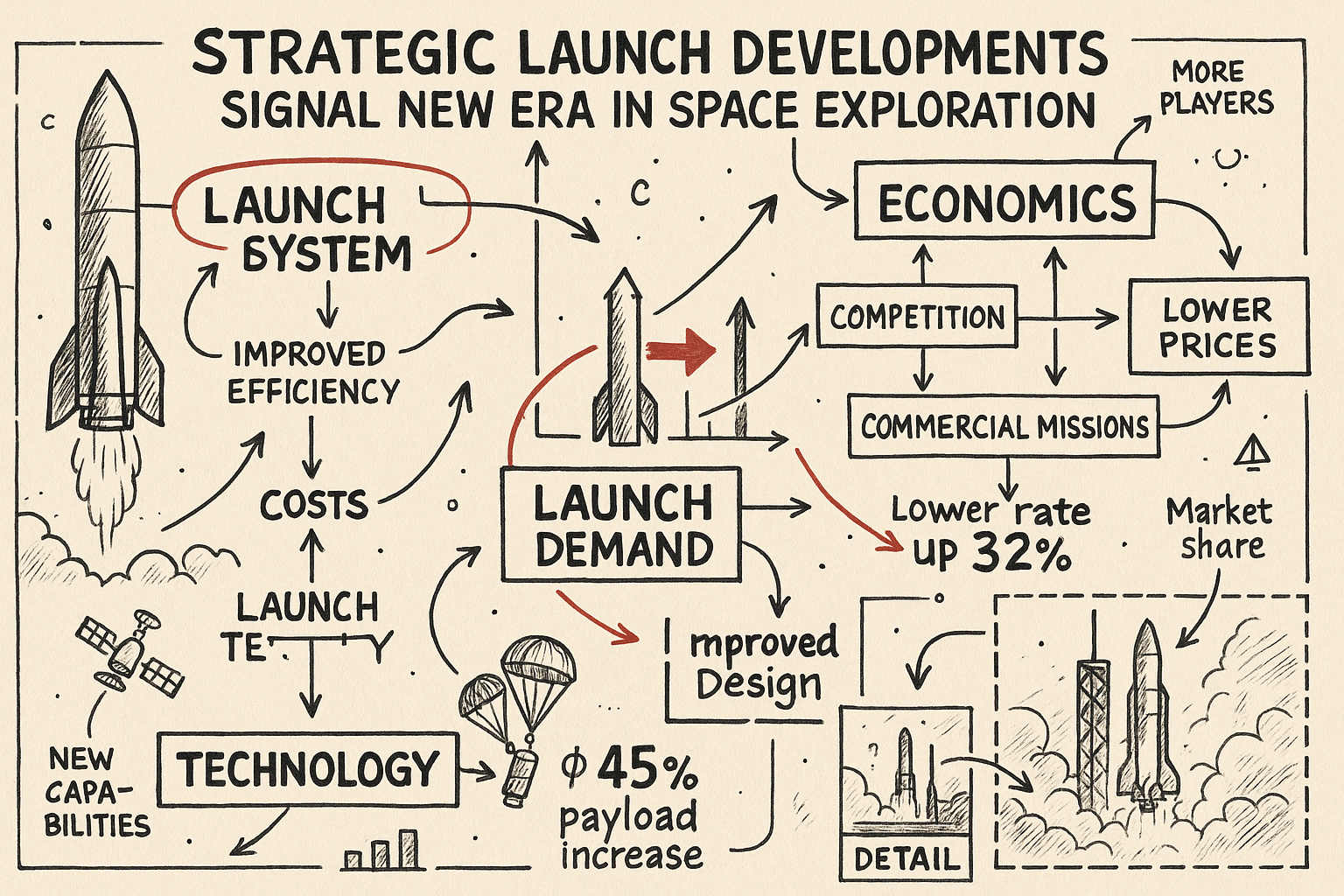
The commercial space race is not without its financial challenges. NASA's recent project cancellations due to budget overruns underscore the financial pitfalls that can accompany ambitious space endeavors. The agency's experience serves as a cautionary tale for commercial entities and governments alike, emphasizing the importance of fiscal discipline and realistic budgeting in space projects.
Moreover, the U.S. House Appropriations Committee's approval of a substantial budget for the U.S. Space Force reflects the growing financial commitment required to maintain competitiveness in space. The committee's call for increased competition in satellite communications further illustrates the balancing act between funding military space capabilities and fostering a competitive commercial market.
The Future of Space: A Dual Path
The future of commercial space is likely to follow a dual path of increasing national sovereignty and strategic international partnerships. As countries like Japan and India pursue independent space networks, they will also need to engage in collaborative efforts to address global challenges such as climate change and disaster response, where space-based data plays a critical role.
In this evolving landscape, commercial entities will continue to be pivotal players, driving innovation while navigating the complexities of international regulations and market competition. The interplay between national ambitions and global collaboration will define the next chapter of the commercial space race.