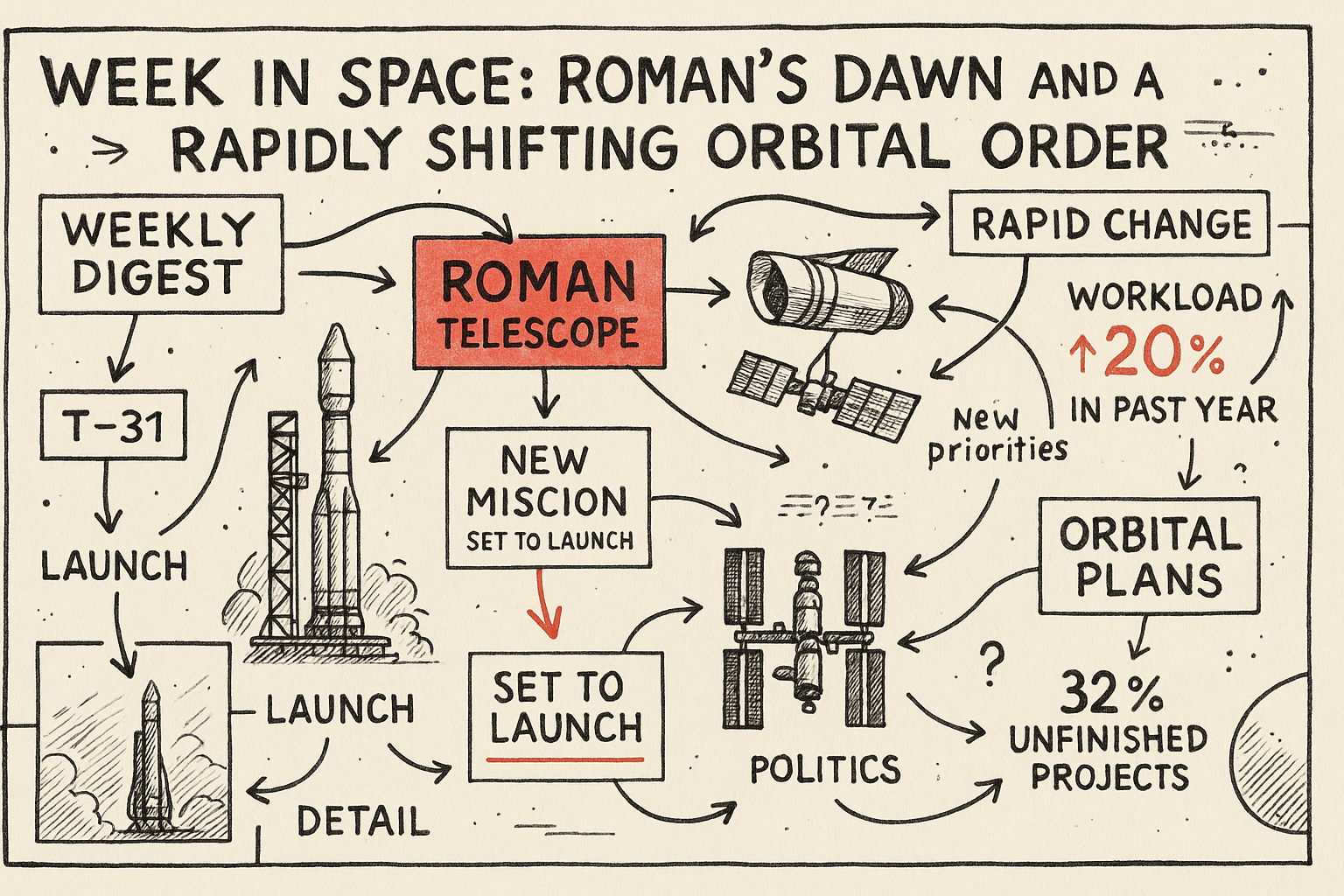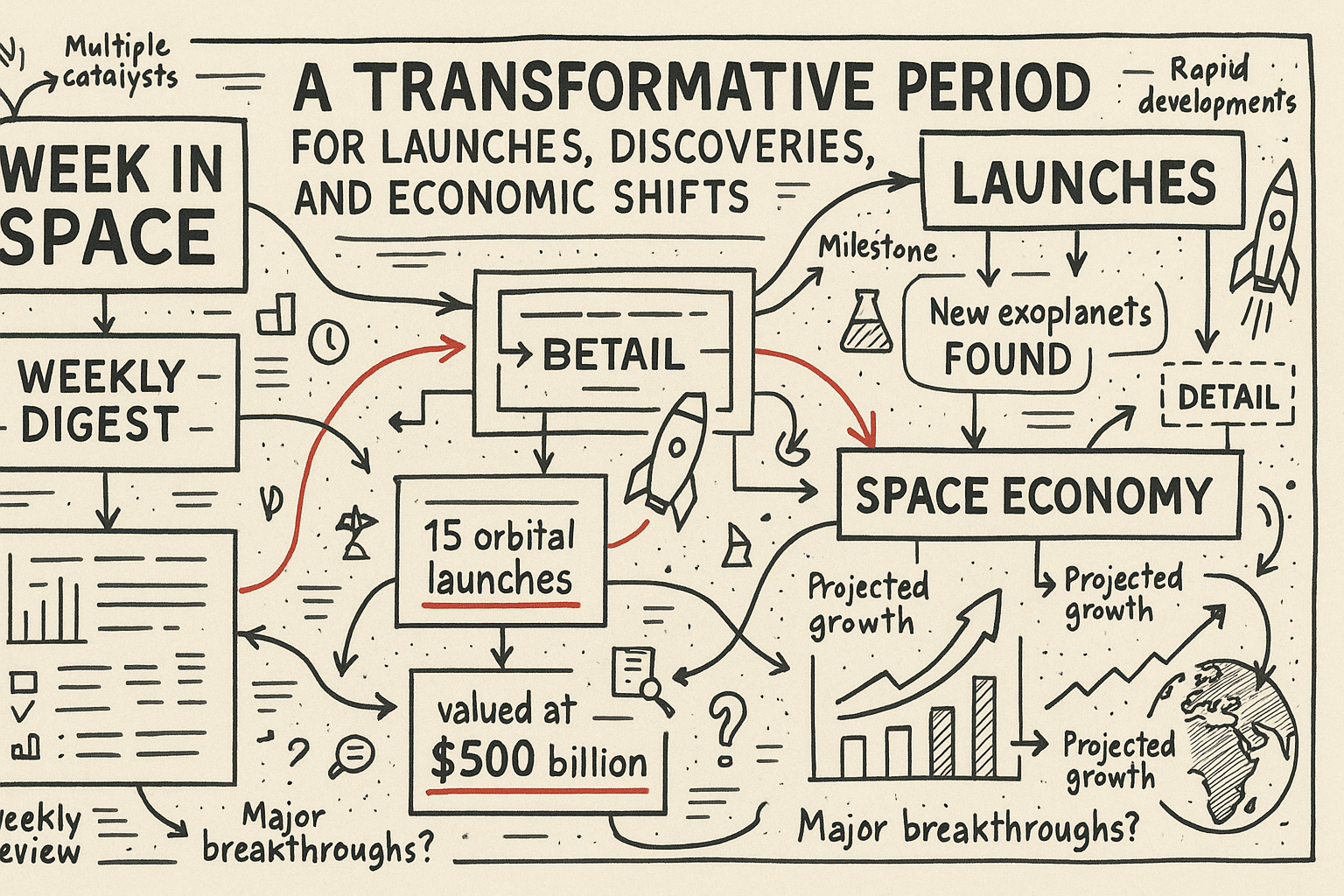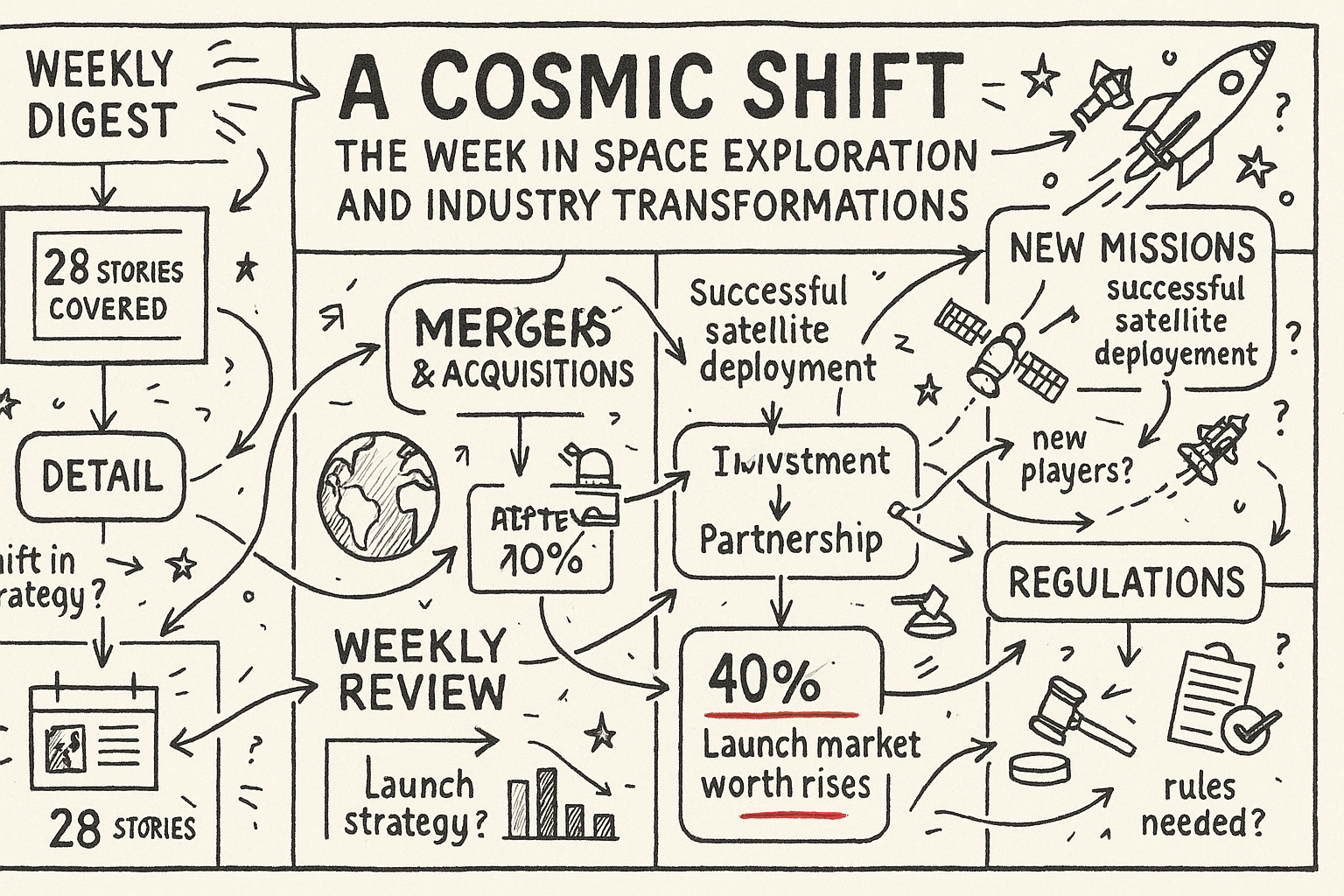
The week commencing June 28, 2026, was marked by a series of monumental developments across the space industry, highlighting the sector's dynamic evolution and its far-reaching implications for future exploration. From strategic acquisitions to groundbreaking lunar missions, the space domain continues to expand its horizons, reshaping our understanding and utilization of the cosmos.
Rocket Lab's Strategic Leap
Perhaps the most significant headline of the week was Rocket Lab's acquisition of Iridium in a landmark $8 billion deal. This strategic move positions Rocket Lab as a formidable player in the satellite telecommunications industry, underscoring its ambition to become a fully integrated space services provider. By acquiring Iridium, Rocket Lab gains access to an established satellite network and a wealth of expertise in global communications, crucial for supporting their launch services and expanding their operational capabilities.
This acquisition is not merely a financial maneuver but a strategic alignment that could redefine market dynamics. The merger illustrates a broader trend in the aerospace sector, where companies are increasingly looking to consolidate assets and capabilities to offer end-to-end solutions. As Rocket Lab integrates Iridium's operations, the industry anticipates a surge in innovation and service delivery that could set new standards for satellite communications.
Launch Activity and Technological Innovations
The week's launch activities were equally noteworthy, punctuated by the advancements of NordSpace in Canada. The company's ongoing developments at the Atlantic Spaceport Complex, coupled with innovations in the Tempest rocket technology, signal Canada's burgeoning role in global space launch capabilities. NordSpace's efforts are part of a broader initiative to establish sovereign space capabilities for Canada, setting the stage for more competitive and independent space exploration endeavors.
Simultaneously, Amazon Leo's latest satellite launch marked a significant milestone in the race for global satellite internet services. With the successful deployment of new satellites, Amazon is poised to rival SpaceX's Starlink, thus intensifying competition in the burgeoning satellite internet market. This rivalry not only promises to drive technological advancements but also enhances accessibility to high-speed internet services worldwide, bridging digital divides and enabling new economic opportunities.
Lunar Ambitions and Scientific Exploration
In the realm of lunar exploration, NASA and the European Space Agency (ESA) made headlines with their ambitious plans. NASA's announcement of three new robotic missions as part of its lunar base initiative underscores its commitment to establishing a sustainable human presence on the Moon by 2029. Despite recent setbacks in the Commercial Crew Program, these missions aim to pave the way for future human exploration, focusing on infrastructure development and resource utilization.
Meanwhile, ESA's Argonaut lander project is making strides towards Europe's independent lunar capabilities. Initially relying on external data, ESA plans to develop its own lunar mapping technologies, supporting the Artemis program and ensuring Europe plays a pivotal role in future lunar exploration. These efforts reflect a growing international collaboration aimed at maximizing scientific returns from lunar missions.
Adding to the lunar narrative, Lunar Forge is pioneering sustainable construction methods using local resources such as lunar regolith. This innovative approach could significantly reduce the costs associated with lunar infrastructure development, facilitating the establishment of vital facilities like fission reactors crucial for long-term missions.
Commercial Dynamics and Strategic Movements
The commercial space sector witnessed significant strategic movements this week, highlighted by the appointment of Steve Isakowitz as a senior adviser at Vast. As the company gears up for NASA's Commercial Low Earth Orbit Destinations program, Isakowitz's expertise is expected to guide Vast through the complexities of commercial space station development, emphasizing the growing importance of private sector involvement in space exploration.
Moreover, SpaceX's anticipated IPO is set to be a catalyst for a new era in the space economy. Beyond its financial implications, the IPO is expected to democratize investment in space ventures, attracting a broader spectrum of stakeholders and accelerating the commercialization of space activities.
Conversely, EchoStar's decision to restructure its subsidiaries through bankruptcy reflects the challenges faced by traditional satellite operators amidst rapid technological advancements. The restructuring aims to streamline operations and focus on strategic spectrum sales, indicating a shift in business models to adapt to the evolving market landscape.
Scientific Discoveries and Cosmic Insights
This week also brought remarkable scientific discoveries, offering new insights into cosmic phenomena. Observations from NASA's Chandra X-ray Observatory have unveiled unexpected activities in the supernova remnants of Messier 83, challenging previous understandings of stellar death. These findings underscore the dynamic nature of the universe and the continuous need for advanced observational tools to explore its mysteries.
In a similar vein, the Nautilus Space Observatory is set to revolutionize the study of exoplanet atmospheres. By pioneering new observational techniques, Nautilus promises to enhance our understanding of potential life-supporting conditions beyond Earth, driving the search for extraterrestrial life to new heights.
Furthering our cosmic understanding, the European Space Agency's collaboration with NASA has provided new insights into the Milky Way's outer spiral arms, revealing their true distances. Such discoveries not only refine our galactic map but also have implications for understanding the broader structure and evolution of our galaxy.
Looking Ahead
As the space industry continues to evolve at an unprecedented pace, the upcoming weeks promise further developments that could shape the future of exploration and commercial activities. Stakeholders will be closely watching how Rocket Lab's acquisition of Iridium unfolds, with potential ripple effects across the satellite communications sector. Additionally, NASA's ongoing efforts to advance its lunar base initiative will be crucial in determining the feasibility and timeline of sustainable lunar habitation.
In the commercial domain, the anticipated SpaceX IPO could redefine investment dynamics, attracting fresh capital and interest from diverse sectors. This, along with the strategic movements by companies like Vast and Amazon, indicates a vibrant and competitive future for commercial space ventures.
Ultimately, as these stories unfold, they collectively highlight the transformative nature of current space activities, poised to redefine our interaction with the cosmos and our place within it. The coming week promises to build on these foundations, offering new opportunities and challenges in the ever-expanding frontiers of space.