Amidst the clutter of cosmic debris that circles our planet, a novel solution for cleaning up space junk has emerged, promising to address one of the most persistent challenges in modern space exploration. Researchers from the Chinese Academy of Sciences and the University of Electronic Science and Technology of China have unveiled a sophisticated net-membrane system designed to efficiently capture and deorbit space debris.
Space debris, often comprised of defunct satellites, spent rocket stages, and fragmented remnants from collisions, poses significant risks to operational spacecraft and satellites. Traditional methods of debris removal, such as robotic arms and grappling hooks, have limitations, including the need for cooperative targets and the risk of creating additional debris. Other alternatives, like lasers, demand extensive power and precise targeting, making them less feasible for widespread application.
The idea of using nets for debris capture is not new; however, this latest innovation takes the concept further by integrating it with a multilayered flexible membrane that incorporates electronics, battery layers, and shape-memory alloys (SMAs). This hybrid approach offers a promising advance in the field of space debris mitigation.
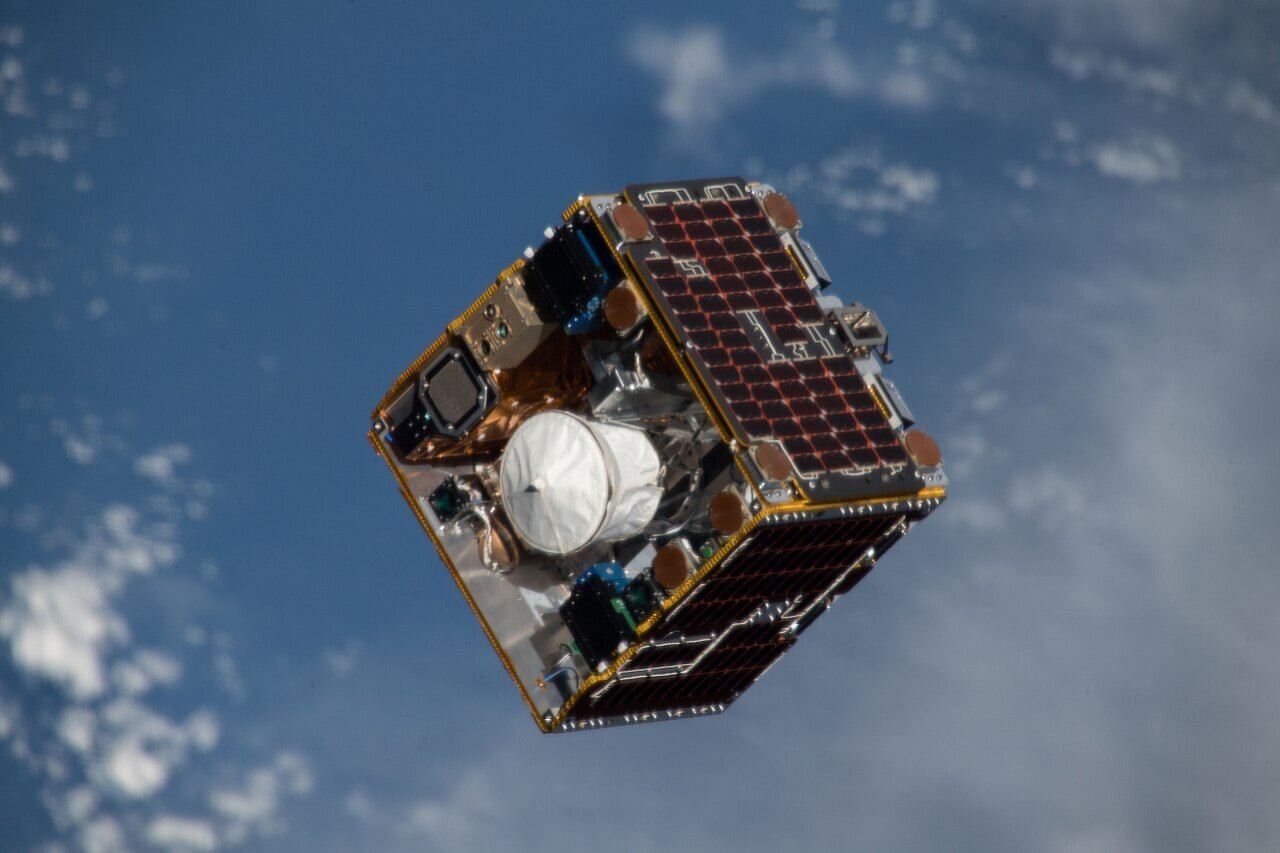
The net-membrane system operates by deploying from a 'chaser' satellite, which approaches a piece of debris and fires four bullets attached to the corners of the net at a 30-degree angle. This angle, determined by detailed simulations, optimally unfurls the membrane, allowing it to envelop the debris securely. The SMAs within the membrane maintain its shape, holding the debris tight as it is dragged into a lower orbit to eventually burn up in the Earth’s atmosphere. Crucially, after releasing the debris, the membrane retracts back into the satellite, ready for another mission—a significant leap in reusability for debris capture technology.
While theoretically sound, as described in a paper published in the journal Space: Science & Technology, this net-membrane system must overcome significant hurdles before practical deployment. The challenge lies not only in manufacturing such intricate systems but also in the economic feasibility of launching multiple missions dedicated to debris cleanup.
This innovative approach is part of a broader effort to address the growing threat of space debris. As satellite launches increase and more nations enter the space arena, the volume of debris is expected to rise, making effective mitigation strategies increasingly critical. The consequences of inaction could be severe, potentially leading to the Kessler Syndrome, a scenario where the density of objects in low Earth orbit leads to a cascade of collisions, rendering certain orbits unusable.
Other contemporary efforts in space debris management include advanced ground-based observations to track smaller debris pieces and the development of materials and coatings to reduce the impact of satellites on astronomical observations. These initiatives highlight the multidisciplinary approach required to safeguard the space environment.
Looking ahead, the deployment and testing of the net-membrane system in space would mark a significant milestone. If successful, it could pave the way for more sustainable orbital operations, ensuring that the benefits of satellite technology continue to be accessible without jeopardizing the safety and integrity of the space environment.
The development of this net-membrane technology underscores the importance of international collaboration in tackling space debris. As the space industry continues to expand, innovative solutions like these will be essential in maintaining a safe and sustainable outer space environment.