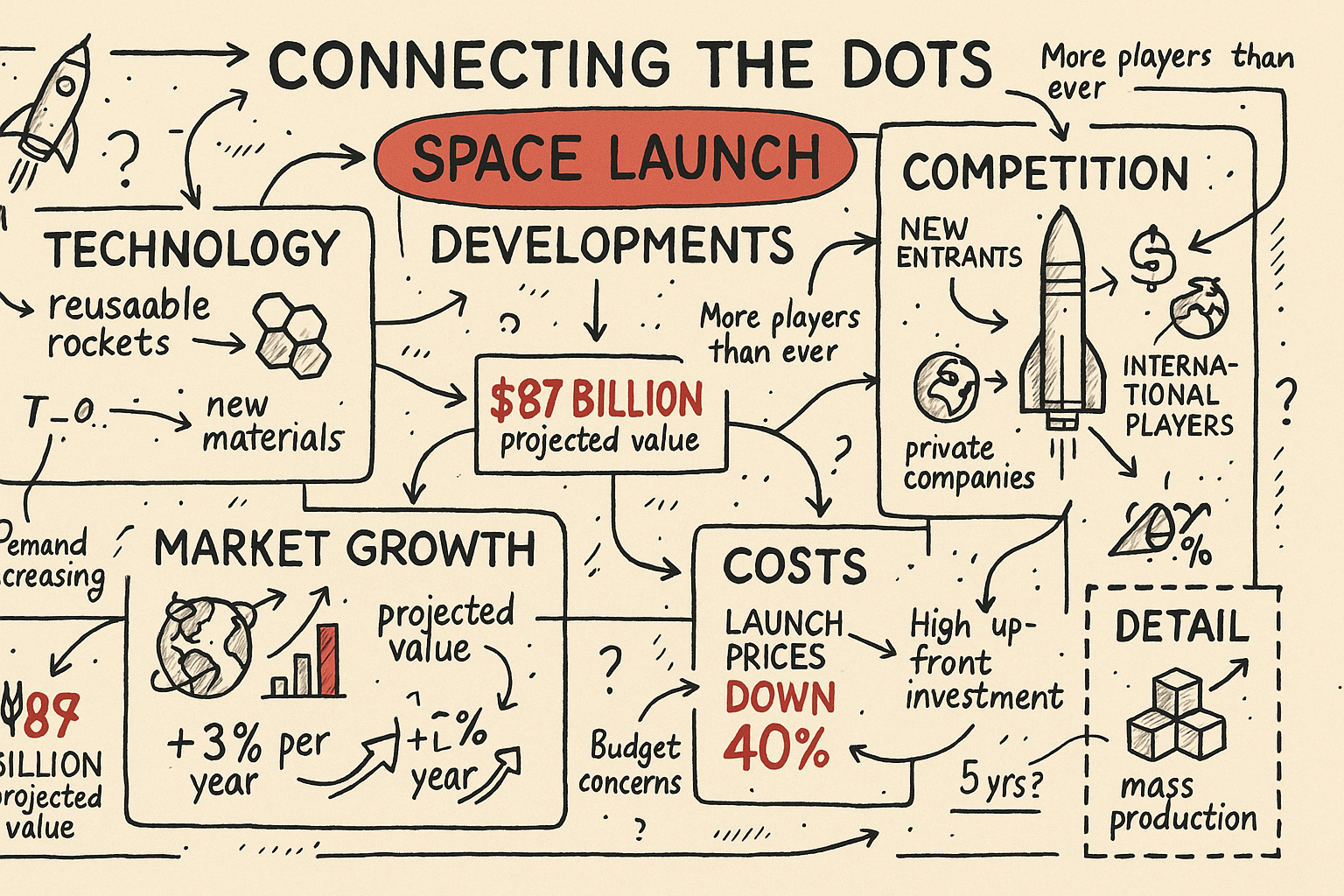
The tapestry of space exploration and satellite launches is rapidly evolving, marked by a series of significant developments that not only push technological boundaries but also redefine international collaboration and commercial involvement. Recent news events underscore a synergy between government-led initiatives and burgeoning commercial enterprises, painting a complex yet promising picture of our journey beyond Earth.
Commercial Ambitions Meet Governmental Endeavors
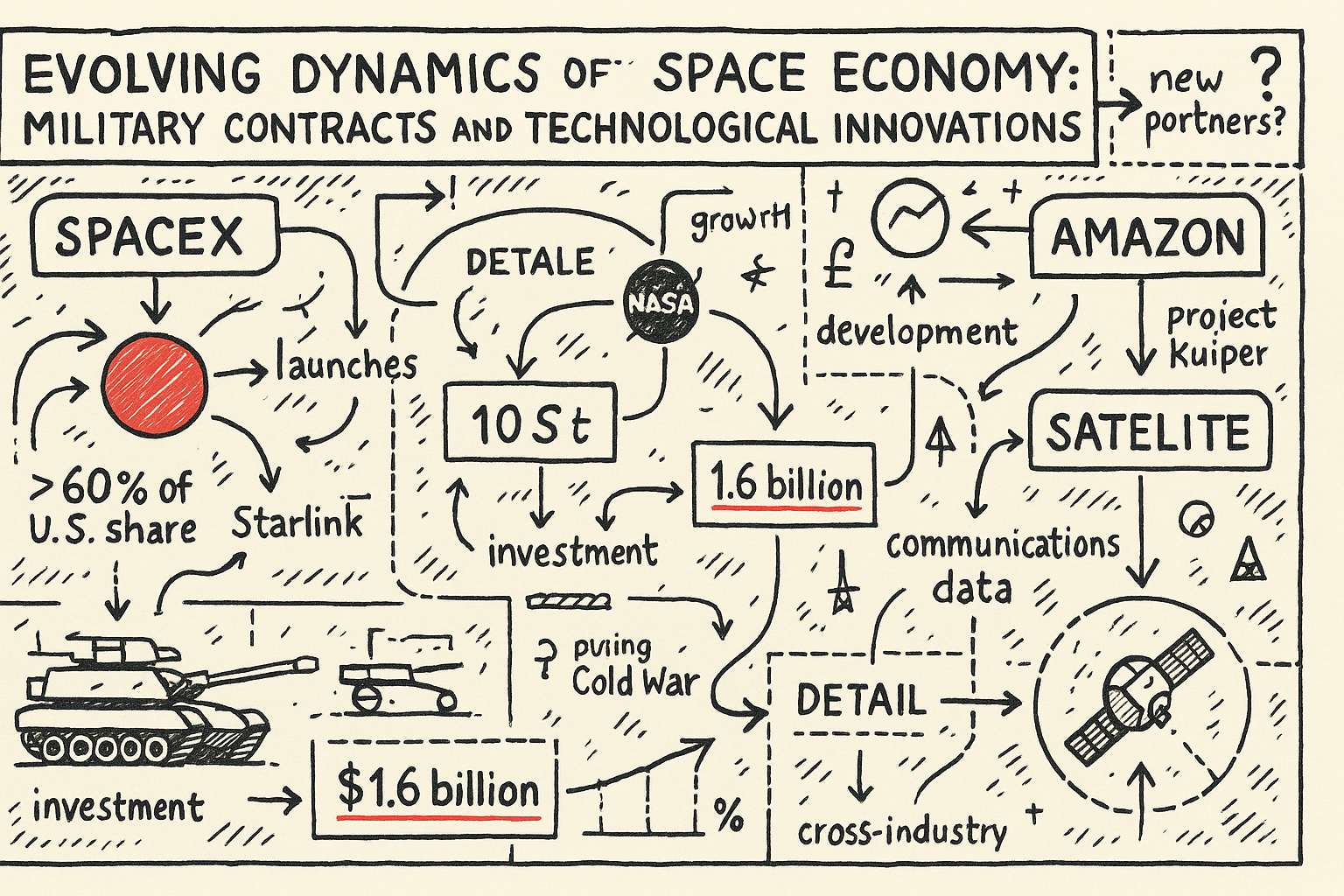
One of the most striking trends is the increasing involvement of private companies in what has traditionally been a government-dominated arena. For instance, SpaceX's involvement in multiple high-profile missions, from its Starship's upcoming lunar cargo delivery to its recent nighttime launch creating a 'jellyfish' effect, demonstrates its pivotal role in modern space exploration. As highlighted by a Japanese company's booking of 1,100 pounds of cargo space on a SpaceX mission, commercial entities are not just spectators but active participants in this new space race.
On the governmental side, NASA continues to spearhead efforts with projects like the Roman Space Telescope, which is poised to delve deeper into the mysteries of the universe. Simultaneously, NASA's CAPSTONE mission has paved the way for more autonomous lunar navigation, essential for future sustained lunar habitation.
Strengthening Earth Observation Capabilities
The Canadian Space Agency's recent $688-million contract awarded to MDA Space for a RADARSAT replenishment satellite is a testament to the critical role of Earth observation technologies. These satellites are not just tools for scientific research but essential instruments for monitoring climate change, supporting disaster response, and managing natural resources. This initiative is a continuation of the RADARSAT Constellation Mission, which exemplifies international and inter-organizational cooperation to maintain a persistent eye on our planet.
Milestones on the Horizon
Vast Space's Haven-1 project, advancing towards a 2027 launch, represents another leap forward in space habitation infrastructure. By achieving several key milestones, Haven-1 signals the growing viability of space stations as platforms for extended human stays and scientific research.
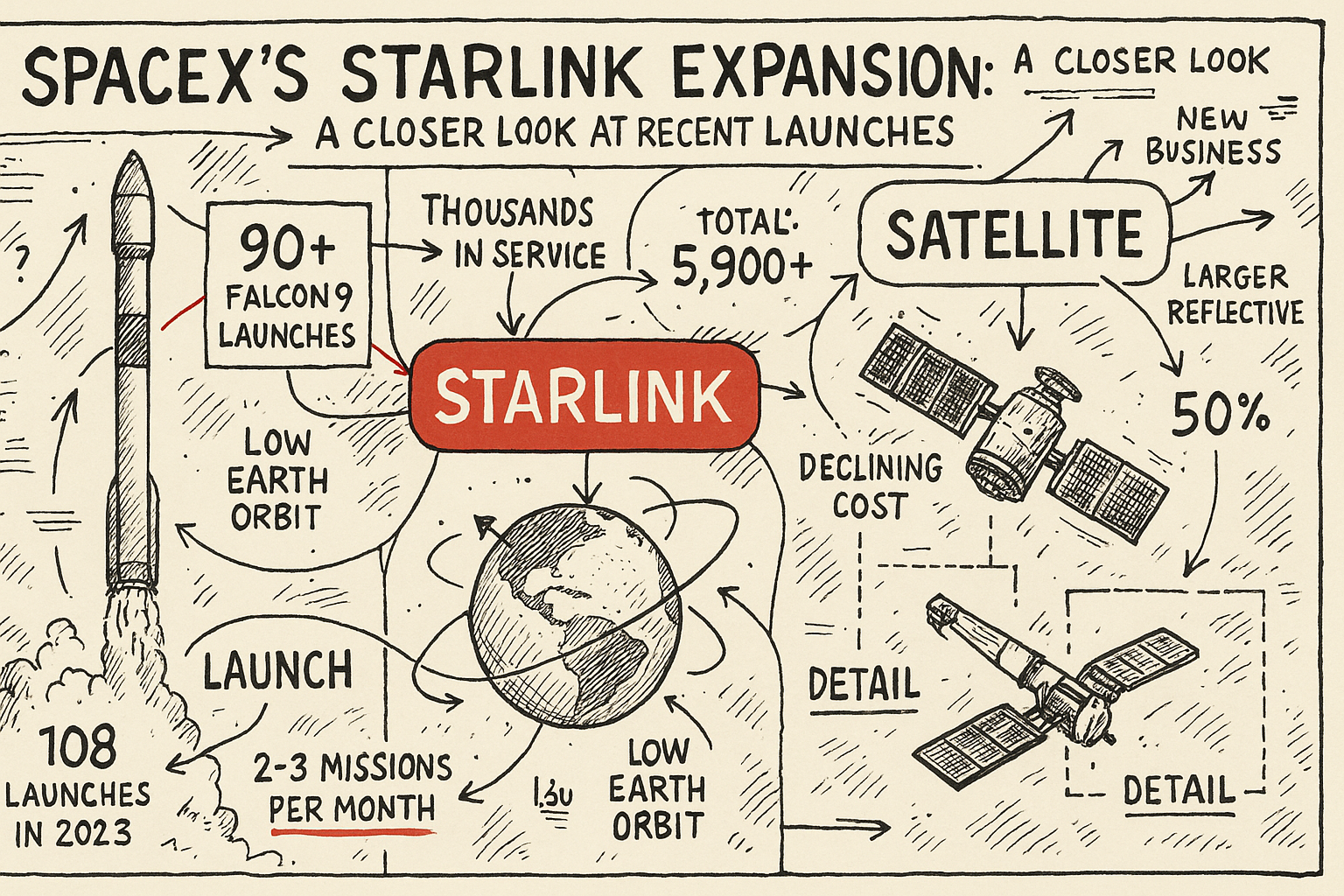
Similarly, SpaceX's rigorous testing of its Starship booster, igniting all 33 engines, highlights the company's commitment to reliability and safety, critical factors as humanity aims for more ambitious interplanetary missions.
A Surprising Intersection of Citizen Science and Technological Advancements
In an interesting turn, citizen science has played a significant role in recent advancements. The Zooniverse platform reaching over 1 billion classifications through volunteer contributions illustrates the democratization of space science. This achievement not only accelerates data processing but also engages the public, fostering a broader interest in science and technology.
Implications for the Future
These developments collectively indicate a future where commercial and governmental space ventures are inseparably intertwined. The increasing capacity for private ventures to collaborate with governmental agencies suggests a future where space exploration is not only more accessible but also more innovative. The insights gained from citizen science initiatives further enrich this landscape, offering fresh perspectives and accelerating research.
As we move forward, the challenge will be to maintain this momentum while ensuring sustainable and equitable access to space. The ongoing collaboration between government entities like NASA and private companies such as SpaceX, along with the involvement of other international organizations, could very well set the stage for the next era of space exploration.