Elon Musk's vision of colonizing Mars has been a foundational goal for SpaceX since its inception. The company has achieved remarkable engineering feats, such as the Crew Dragon Demo-2 mission and the Starship rocket's test flights. However, the dream of establishing a human settlement on Mars remains fraught with challenges and skepticism.
In recent years, Musk has articulated a timeline for Mars colonization that many experts find overly optimistic. He suggested that a city on Mars could become a reality within 20 to 30 years, asserting that human civilization would be secured even in the face of potential catastrophes on Earth. This bold vision has captivated the public and investors alike, with SpaceX's initial public offering (IPO) attracting significant interest. However, the share price has since dipped, reflecting growing doubts about the feasibility of Musk's Mars ambitions.
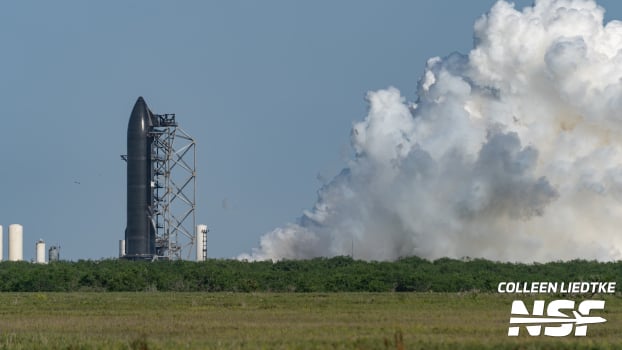
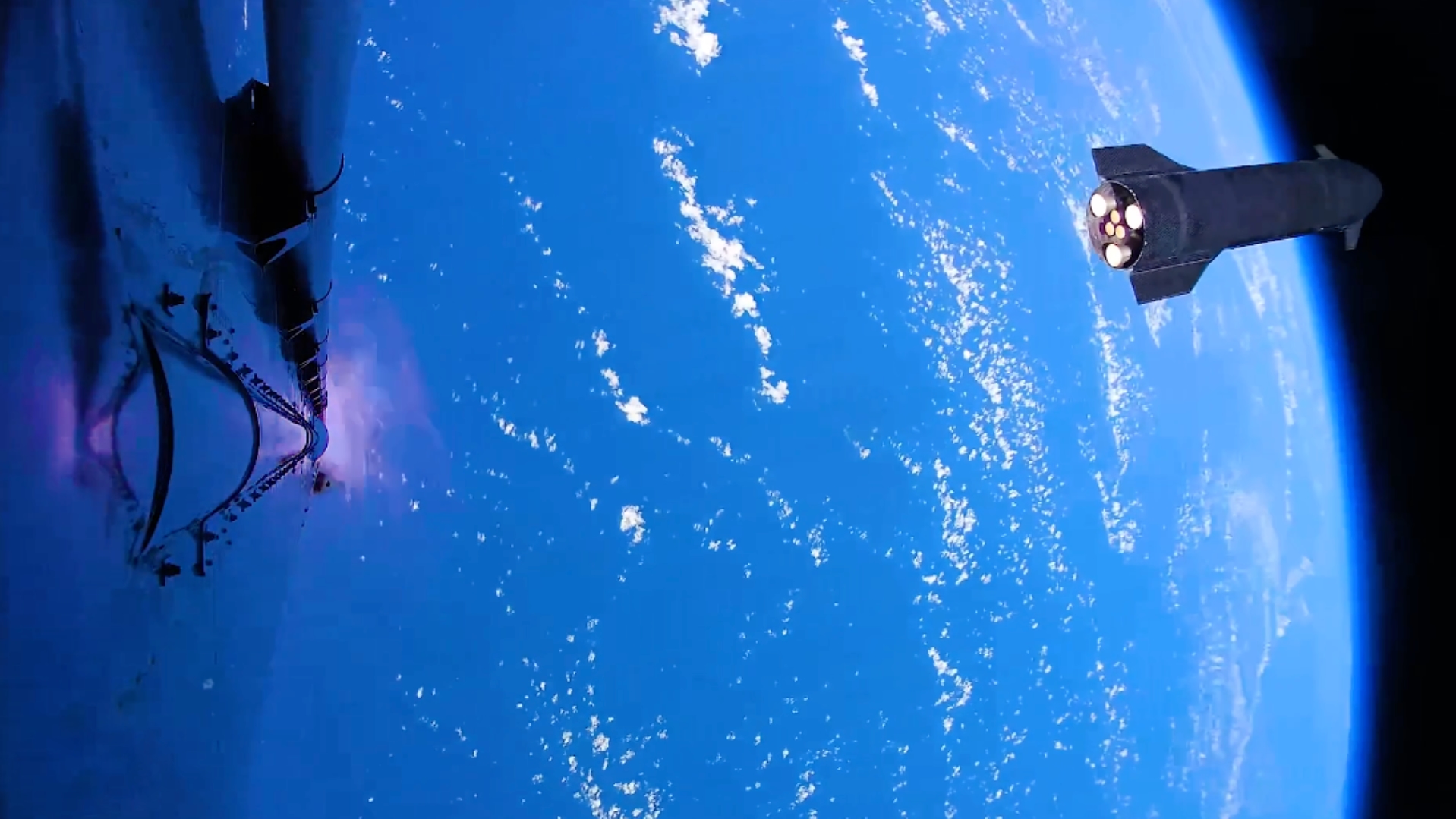
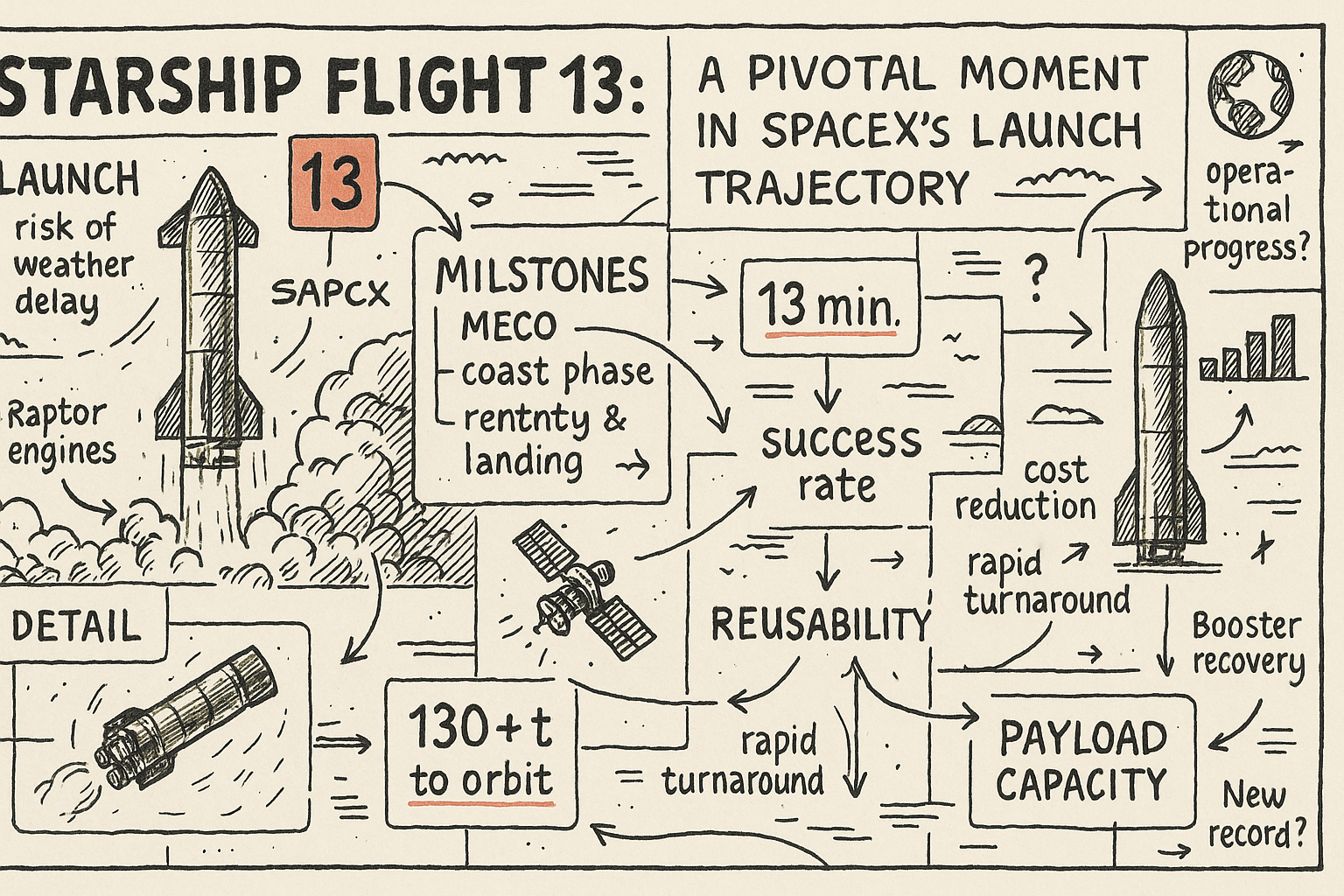
The Starship rocket, a cornerstone of SpaceX's Mars plans, has demonstrated impressive capabilities. In 2024, it performed a test flight in Texas, showcasing its potential for future interplanetary missions. Despite these successes, the technological and logistical hurdles for a sustained human presence on Mars are formidable. According to experts, the notion of a permanent settlement on Mars within Musk's proposed timeframe is far-fetched. The required technology for such a feat remains unavailable, and the scientific community continues to express skepticism.
Erika DeBenedictis, a biological engineer and founder of Pioneer Labs, which is exploring plant growth on Mars, acknowledges Musk's tendency to be overly optimistic with timelines. However, she points out that while Musk's timelines may be ambitious, SpaceX has a track record of achieving what many initially deemed impossible, albeit often later than predicted.
Musk's vision extends beyond Mars, with plans to first establish a city on the Moon. He has indicated that uncrewed Starship missions to Mars could begin as early as 2026, with crewed landings possibly following in 2029 or 2031. Despite these ambitious goals, the broader scientific community remains cautious, emphasizing the need for technological advancements and international collaboration.
Public-private partnerships could play a crucial role in overcoming the challenges of Mars colonization. As highlighted in discussions about the future of space exploration, no single agency, not even NASA, can independently develop all the necessary technologies for sustained human presence on Mars. Collaborative efforts could potentially accelerate progress and distribute the immense financial and technical burdens involved.
While SpaceX continues to push the boundaries of space exploration, the reality of a Martian city remains distant. The challenges of radiation exposure, life support systems, and sustainable food production are just a few of the obstacles that must be overcome. Additionally, the survival of Earth microbes in Martian conditions poses another layer of complexity, as these microorganisms could impact both astronaut health and potential Mars ecosystems.
In conclusion, Elon Musk's vision for Mars represents a bold and inspiring goal that has spurred significant advancements in space technology. However, the realization of a human settlement on Mars requires careful consideration of the scientific, technological, and collaborative efforts needed to make such a dream a reality. As SpaceX and other space agencies continue their work, the journey to Mars remains an ongoing saga of exploration and discovery.