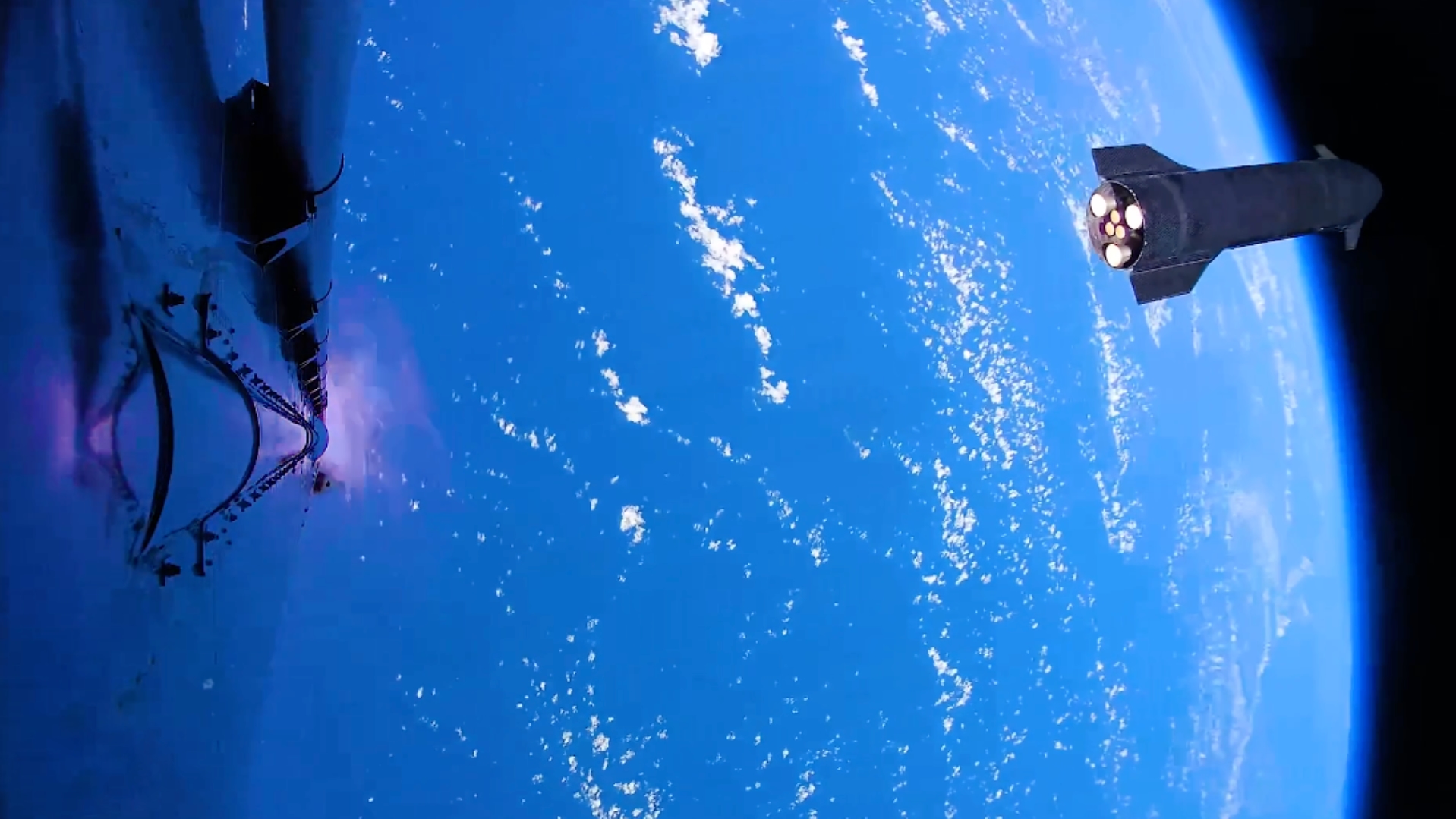
SpaceX continues to make strides in its ambitious Starship program as recent developments at their testing facilities indicate. Notably, Ship 40 has completed a single-engine static fire test, a critical step in its preparation for future missions. Concurrently, work on Booster 20 and improvements at Pad 2 are underway, marking another phase in the company’s relentless pursuit of advancing space exploration technology.
Ship 40's Single-Engine Static Fire
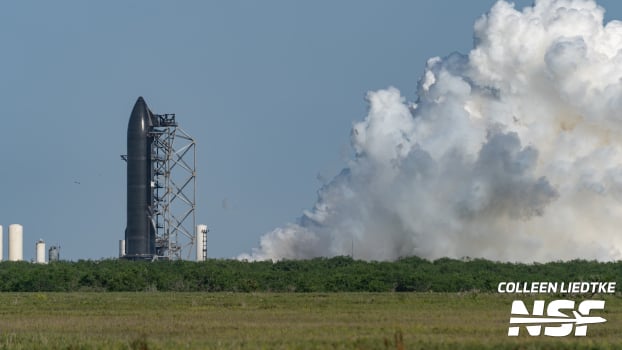
Ship 40, a part of SpaceX's Starship fleet, was rolled out for engine testing on June 23, 2026, after spending approximately six weeks in Mega Bay 2 for preparatory procedures. The rollout to Massey’s testing site was a significant event, indicating the readiness of Ship 40 for its upcoming tests. On June 24, SpaceX loaded Ship 40 with a full tank of liquid oxygen (LOX) and a partial tank of liquid methane (LCH4), similar to the loading levels used in previous tests with Ship 39.
The initial test on June 24 either involved an igniter test or an aborted static-fire attempt. Due to the lack of official confirmation from SpaceX, the exact details remain uncertain. However, the subsequent day saw a successful single-engine static fire, with the LOX tank loaded to about half capacity and the LCH4 tank filled to similar levels as before. This test marks a significant first for the Block 3 series of Starship ships, underscoring SpaceX's incremental testing approach.
Booster 20 and Pad 2 Developments
While Ship 40 undergoes its testing regime, Booster 20 is also receiving significant attention. It remains in a preparatory phase, with a full 33-engine static fire test anticipated in the coming weeks. This step is crucial for validating the booster’s readiness to support the next stage of Starship flights.
Concurrently, SpaceX teams are actively enhancing Pad 2, a key infrastructural component for Starship launches. Improvements include the modification of the chopsticks’ landing rails and dampers, installation of new fuel lines along the tower, and potential upgrades to the water-cooled deck plate. These enhancements are essential for ensuring the launch pad's capability to support the increased demands of future Starship launches.
Implications for Space Exploration
The progress with Ship 40 and Booster 20 signifies SpaceX's unwavering commitment to pushing the boundaries of space exploration. The Starship program is central to SpaceX’s vision of enabling human colonization of Mars, and each test brings the company closer to achieving this long-term goal. The single-engine static fire test and the ongoing work on Booster 20 are critical milestones in this ambitious journey.
SpaceX’s developments also reflect a broader trend in the aerospace industry, where companies are increasingly focusing on reusability and cost-effective solutions to make space travel more accessible. As SpaceX continues to refine its Starship technology, the implications for future space missions, including potential lunar and Martian exploration, are profound.
In conclusion, the recent activities surrounding Ship 40 and Booster 20 highlight SpaceX’s methodical approach to testing and development. With each successful test, SpaceX not only advances its own capabilities but also sets a precedent for innovation in the aerospace industry. As the company progresses toward its ambitious goals, the world watches with keen interest, anticipating the next steps in humanity’s exploration of the cosmos.