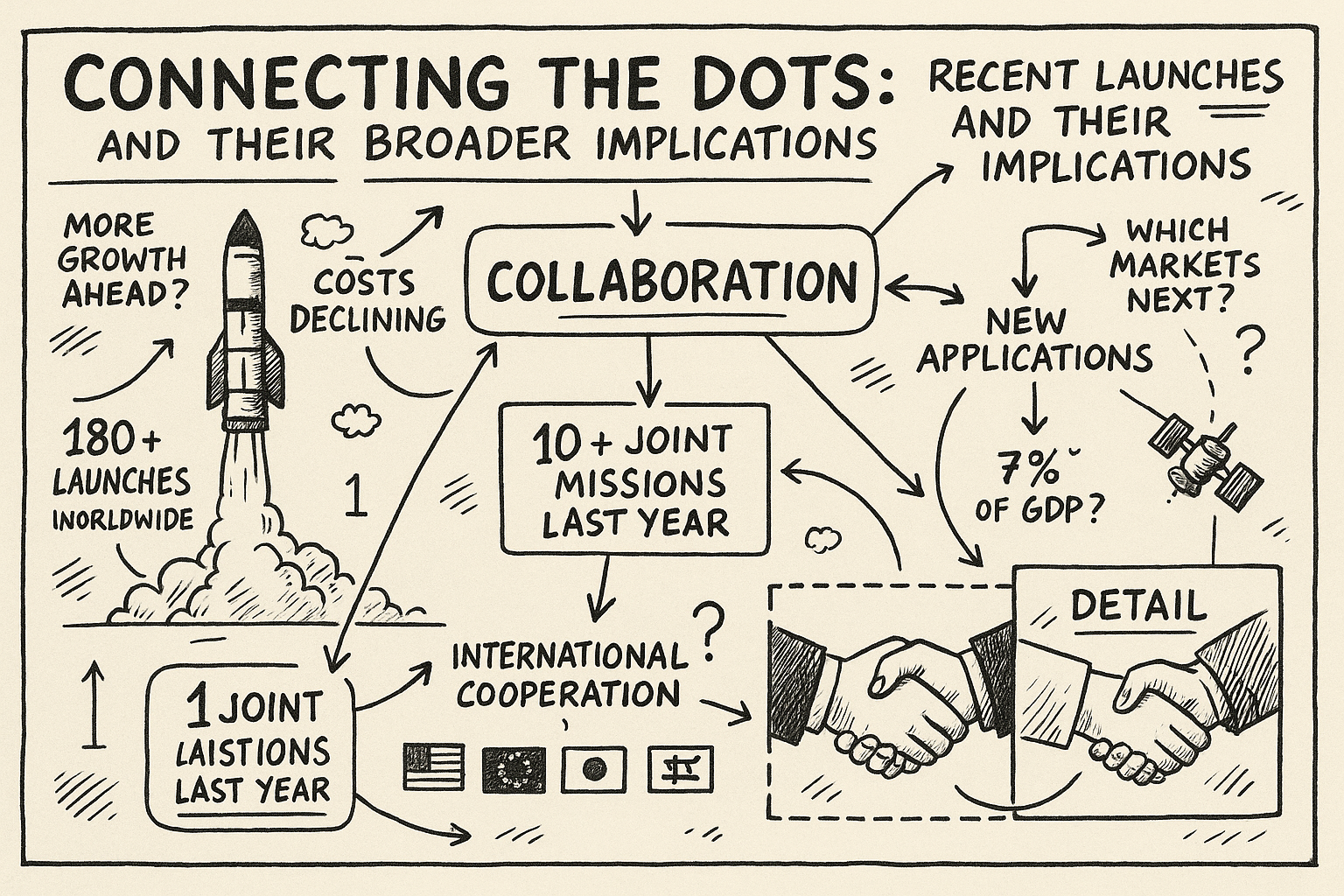
The world of space exploration has always been a realm where scientific ambition meets human curiosity. In recent weeks, a series of pivotal launches and related activities have underscored the multifaceted nature of current space endeavors, highlighting the collaborative efforts and technological advancements that drive the industry forward.
International Collaborations in Space
NASA astronaut Anil Menon is set to launch aboard the Roscosmos Soyuz MS-29 spacecraft to the International Space Station (ISS), accompanied by cosmonauts Pyotr Dubrov and Anna Kikina. This mission exemplifies the enduring partnership between NASA and Roscosmos, even amidst geopolitical tensions. Such collaborations are crucial as they often transcend terrestrial disputes, fostering a unified pursuit of scientific progress in space.
These partnerships are not only limited to crewed missions. The recent acquisition by MDA Space of a majority stake in the French Earth observation company Collecte Localisation Satellites (CLS) further illustrates the growing trend of cross-border collaborations in the space sector, particularly in data acquisition and satellite technology. This acquisition, combined with MDA's previous purchase of Blue Canyon Technologies, positions the company as a significant player in the Earth observation data pipeline, enhancing global monitoring capabilities.
Advancements in Space Science and Technology
NASA's continued commitment to advancing space science is exemplified by the upcoming launch of the Nancy Grace Roman Space Telescope. As the telescope undergoes prelaunch servicing in Florida, it represents the next leap in our ability to observe the cosmos. The Roman Space Telescope will provide unprecedented insights into dark energy, exoplanets, and infrared astrophysics, highlighting NASA's role in pushing the boundaries of astronomical research.
Additionally, the Imaging X-ray Polarimetry Explorer (IXPE) has achieved a milestone by mapping the magnetic fields of the 'Lighthouse' pulsar. This breakthrough offers a new understanding of pulsars, some of the universe’s most enigmatic and extreme objects. Such technological advancements are pivotal in answering fundamental questions about the cosmos.
The Human Element: Transition and Legacy
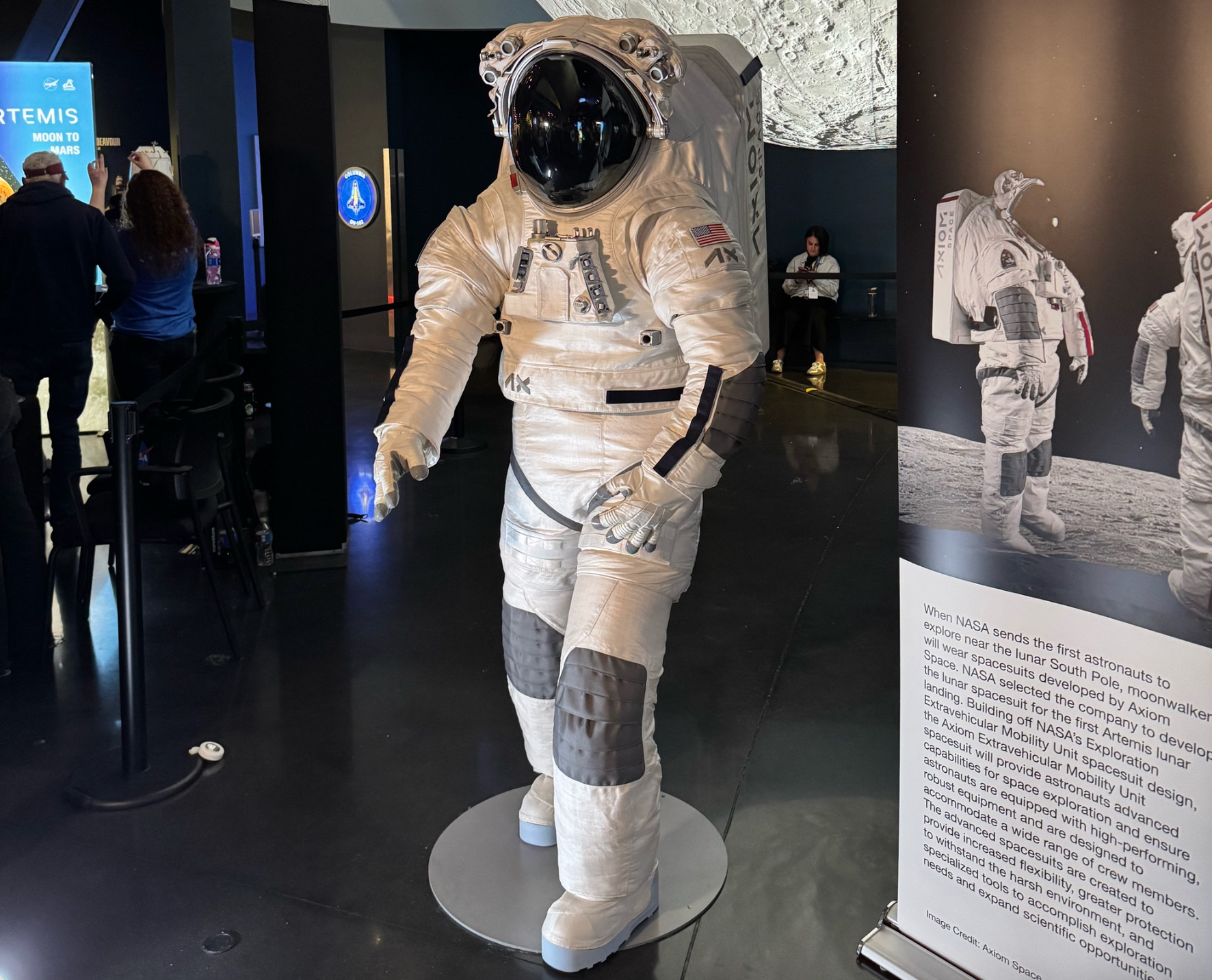
While technological advancements are crucial, the human stories behind these missions are equally compelling. Jeremy Hansen, a Canadian astronaut who participated in the Artemis 2 mission, has announced his decision to step down from active duty. His departure marks the end of a significant chapter in the Artemis program, which aims to return humans to the Moon and set the stage for future Mars missions.
Hansen's journey underscores the personal sacrifices and commitments involved in space exploration. His contributions to the Artemis program highlight the broader human endeavor in space exploration, where individual achievements merge into collective progress.
Looking Ahead: The Future of Space Launches
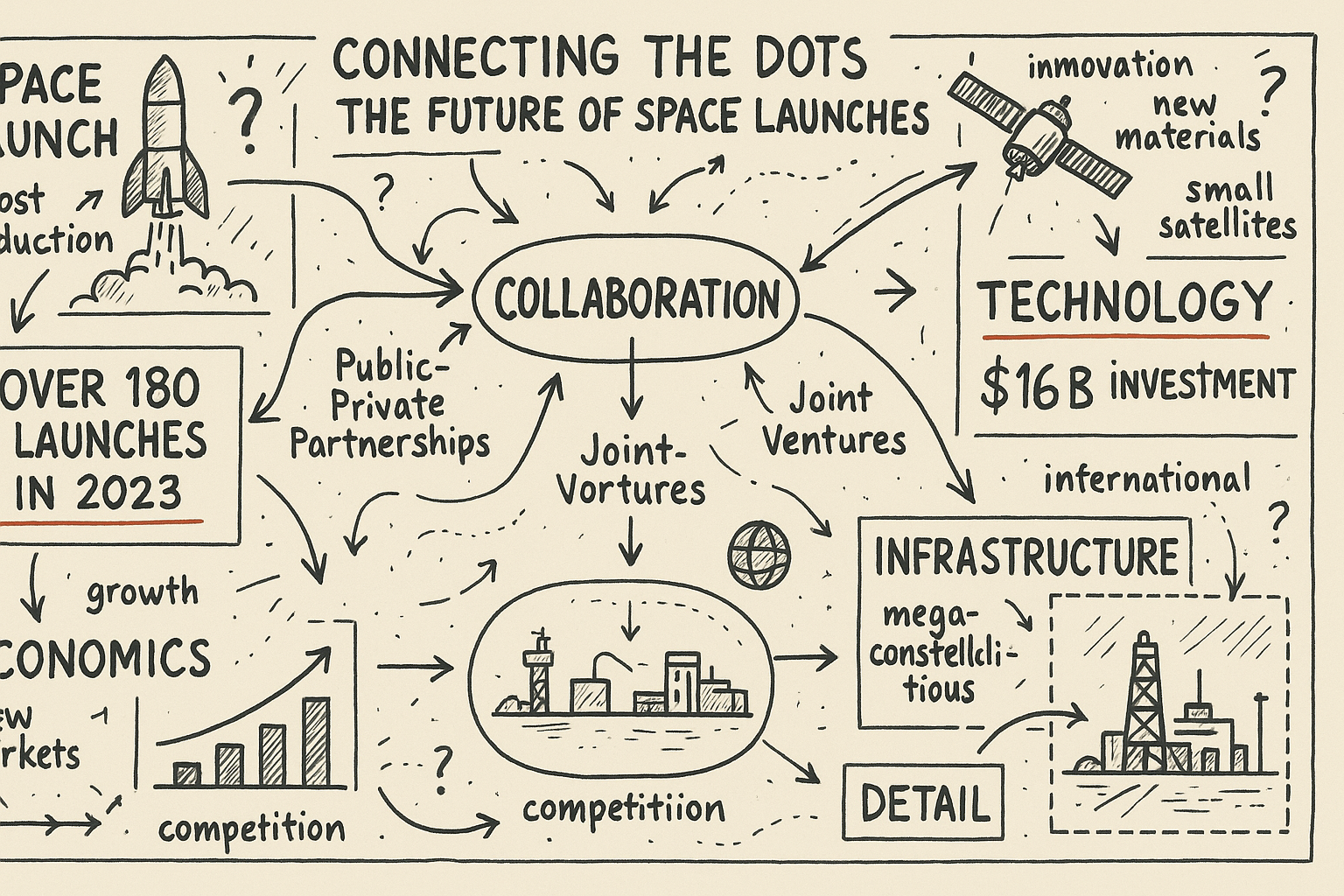
The recent developments underscore a future where space exploration is increasingly collaborative and technologically advanced. As space agencies and private companies continue to forge partnerships, the landscape of space exploration is set to become more integrated and efficient. The emphasis on international cooperation and technological innovation will likely accelerate our understanding of the universe and our place within it.
Moreover, the involvement of citizen scientists, as demonstrated by the Zooniverse platform reaching 1 billion classifications, signifies a democratization of space science. By engaging the public in research, NASA and its partners are not only expanding the scope of their projects but also nurturing a global community invested in scientific discovery.
As we look to the future, these launches and initiatives represent more than just technological feats; they are harbingers of a new era of exploration that promises to unravel the mysteries of space while bringing humanity closer together.