SpaceX's Starship program continues to push the boundaries of aerospace innovation with its upcoming Flight 14. After a successful splashdown of Flight 13 in the Indian Ocean, SpaceX is now targeting a groundbreaking maneuver for its next mission: catching the Starship upper stage with a launch tower.
The recent Flight 13 marked a significant milestone for SpaceX. The Starship vehicle, after being launched from South Texas, traveled halfway around the globe to achieve an on-target splashdown in a remote area of the Indian Ocean. Unlike previous missions where splashdowns ended with fiery outcomes, this time the Starship gently tipped over and floated, showcasing improved control and precision in landing operations.
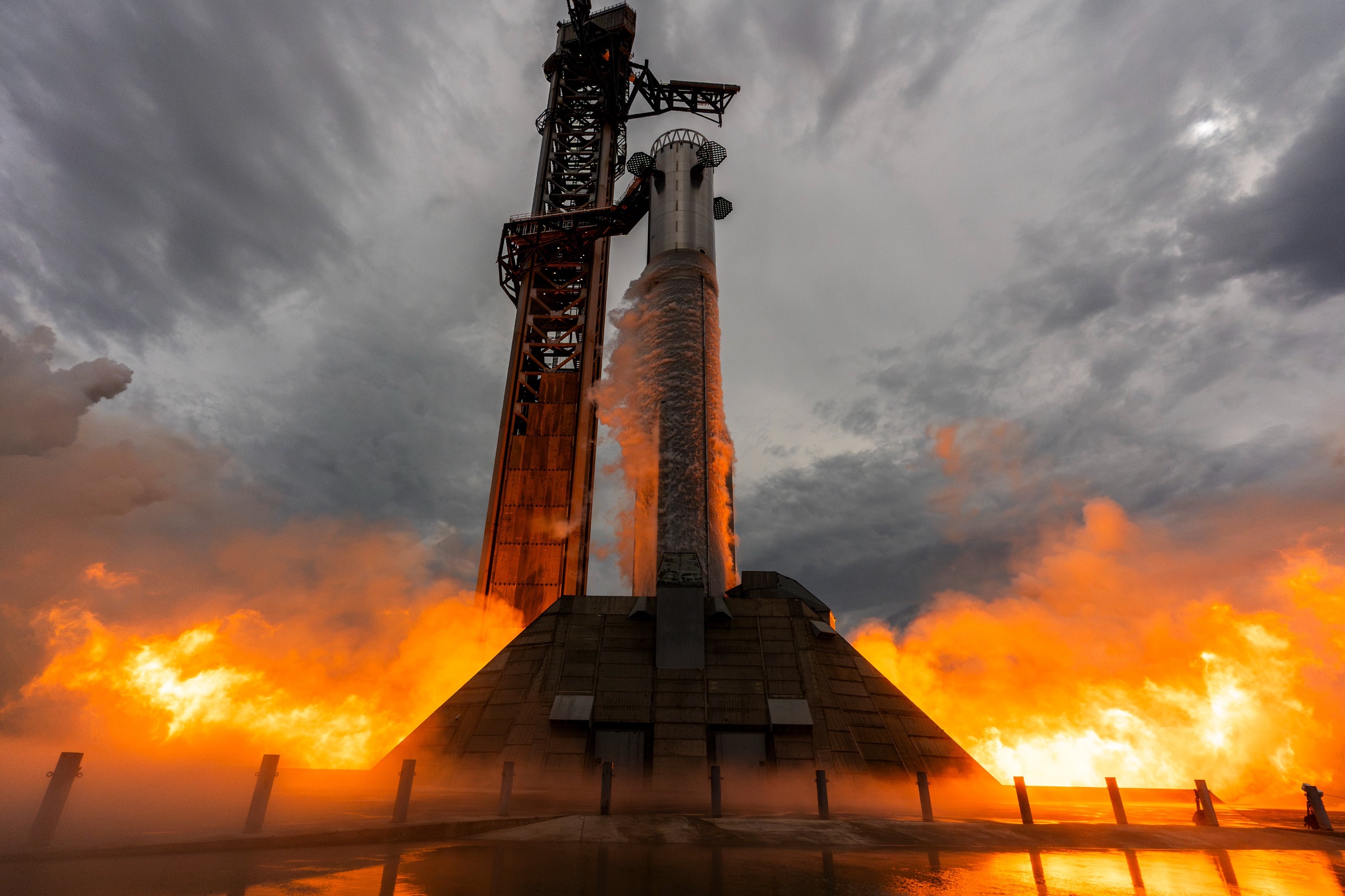
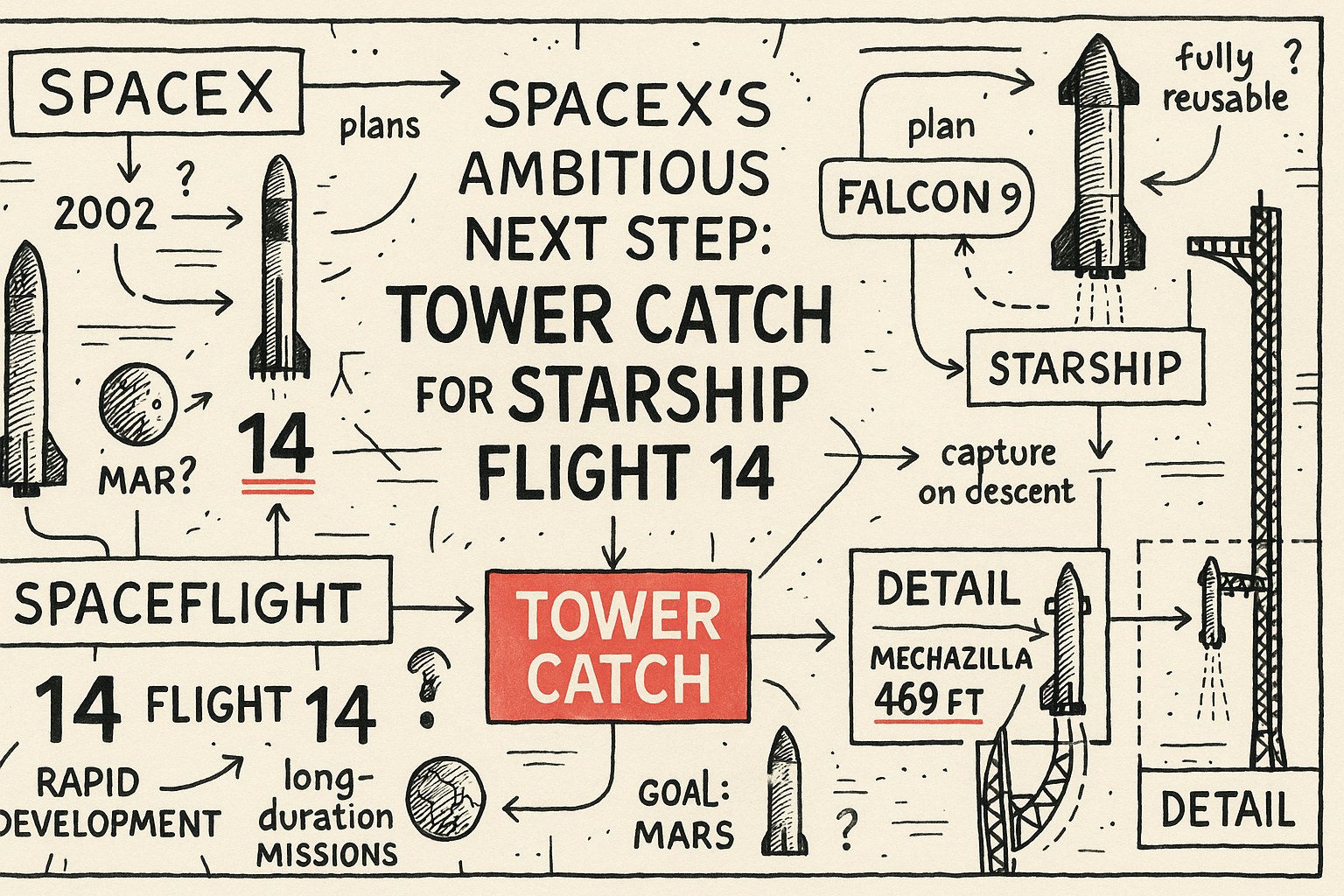
This successful outcome sets the stage for SpaceX's next ambitious goal. According to reports, SpaceX plans to attempt a tower catch for the upper stage of Starship during Flight 14. This maneuver involves catching the descending spacecraft using a specially designed launch tower, a technique that has never been attempted before with a vehicle of this scale.
The tower catch concept is part of SpaceX's broader strategy to enhance the reusability of its spacecraft, aiming to reduce costs and increase the frequency of launches. By catching the Starship with a tower, SpaceX hopes to eliminate the need for water landings, which often result in damage to the vehicle and complicate recovery operations.
However, the path to this technological leap has not been without challenges. During Flight 13, while the Starship upper stage performed flawlessly, the Booster 20 experienced issues during its final landing, resulting in a hard impact with the water. Despite this setback, the mission achieved several key objectives, including the deployment of 20 Starlink satellites and an in-space Raptor engine relight.
SpaceX's rapid iteration and testing approach have been central to its progress. The company managed to achieve a record for the fastest rollout-to-stack-to-launch in the Starship program, underscoring its commitment to accelerating development timelines.
As SpaceX prepares for Flight 14, the aerospace community watches with anticipation. The success of a tower catch could revolutionize the way reusable spacecraft are recovered and pave the way for more sustainable and cost-effective space travel. With each test flight, SpaceX moves closer to its vision of making space travel as routine as air travel, a goal that could transform humanity's relationship with the cosmos.