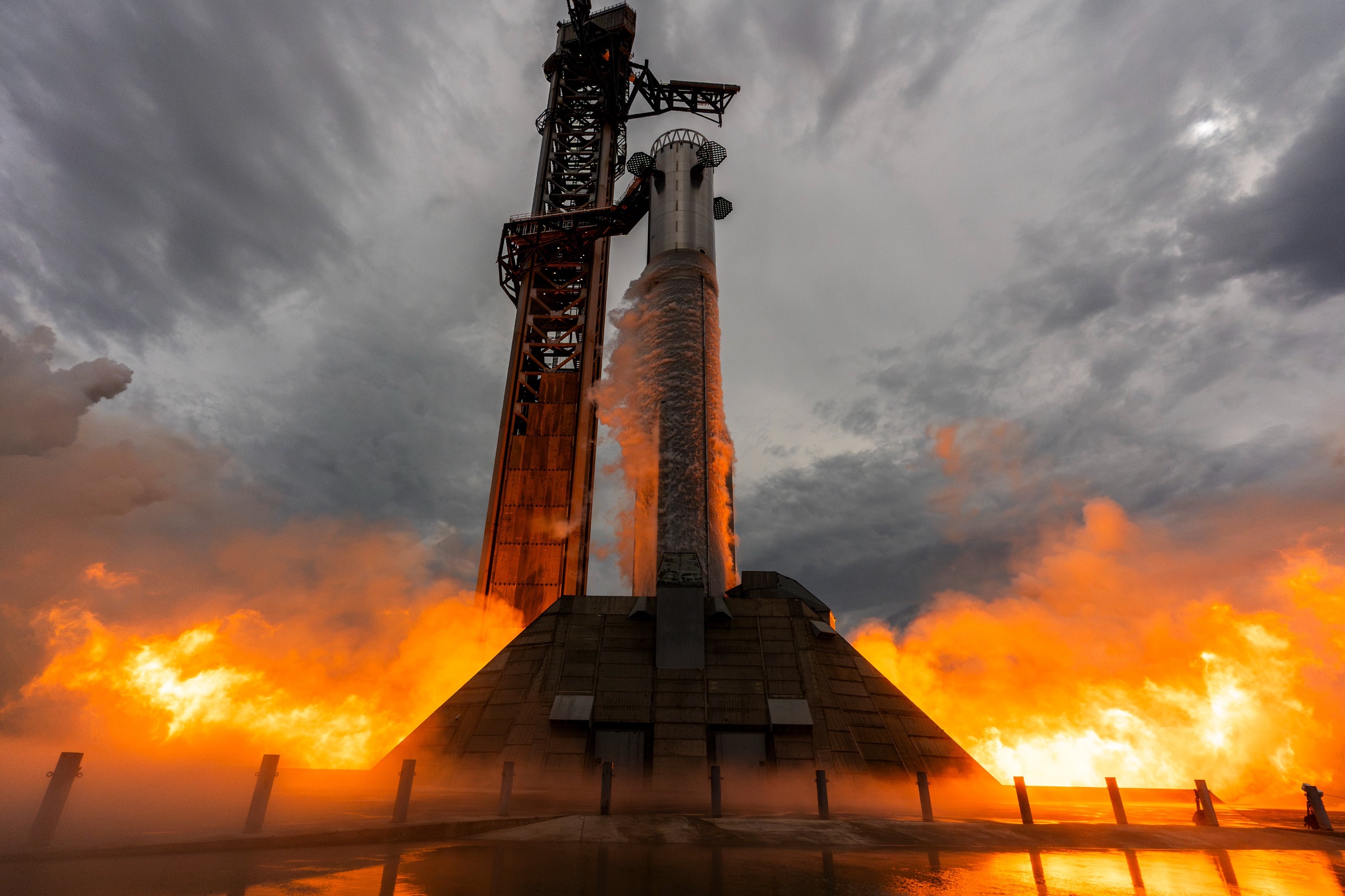
SpaceX is steadily advancing its preparations for the launch of its Starship vehicle from Florida, a significant step in the company's quest to establish a robust presence on the East Coast. The focus of current efforts is on the completion of critical infrastructure at Cape Canaveral, particularly Launch Complex 39A (LC-39A) and the new Gigabay facility at Roberts Road.
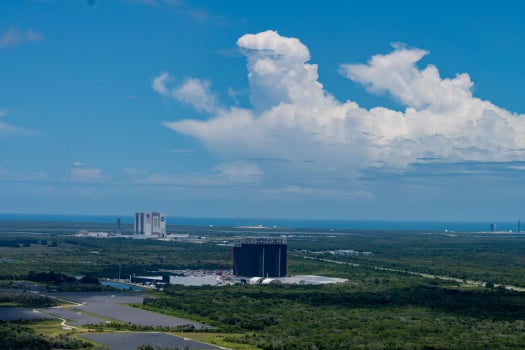
The Gigabay at Roberts Road, an extensive assembly facility, began construction in March 2025. Since then, significant progress has been made. As of July 2026, the structural steel framework has been completed, with cladding and roofing nearing completion. This facility is designed to support the assembly and preparation of Starship vehicles for launch, a crucial element in SpaceX's strategy to increase its launch capacity.
One of the notable features of the Gigabay is its innovative design. The facility includes a 'penthouse' section, the final floor before the roof. This area does not cover the entire footprint of the building, allowing workers to oversee the assembly processes below. This design choice could facilitate operations and improve oversight, enabling more efficient vehicle preparation.
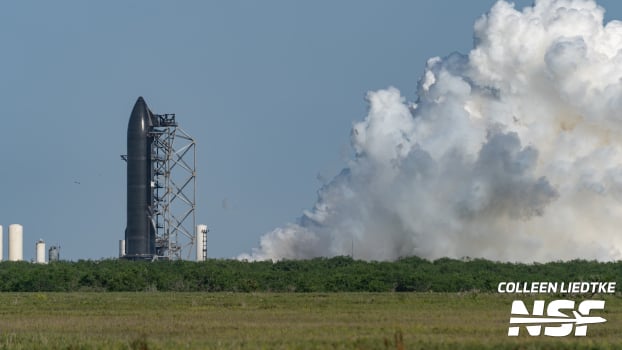
Adjacent to the Gigabay, work stands are under construction next to Hangar X-2. These stands represent a new design, differing from those currently used at SpaceX's Starbase facility in Texas. The new stands have only six arms compared to the ten used in Mega Bay 1 at Starbase, indicating a potential shift in assembly or maintenance procedures for the Starship vehicles.
Simultaneously, progress is also being made at Space Launch Complex 37A (SLC-37A), the fourth Starship pad to be constructed. This development is part of SpaceX's broader strategy to diversify its launch capabilities and ensure redundancy across its infrastructure. The completion of these projects will significantly enhance SpaceX's ability to conduct frequent and reliable launches from Florida, aligning with their ambitious launch cadence goals.
Cape Canaveral's LC-39A is a historic site, previously used for Apollo and Space Shuttle missions. SpaceX's use of this pad for Starship launches marks a new chapter in the site's storied history. The integration of modern facilities like the Gigabay reflects a blend of tradition and innovation, as SpaceX builds on past achievements while pushing the boundaries of current space exploration technology.
Looking forward, the successful completion of these facilities will pave the way for SpaceX to increase its launch frequency, a critical factor in the company's long-term plans. With the infrastructure nearing readiness, a launch from Florida could happen as soon as this year, adding a significant milestone to SpaceX's ongoing development of the Starship program.
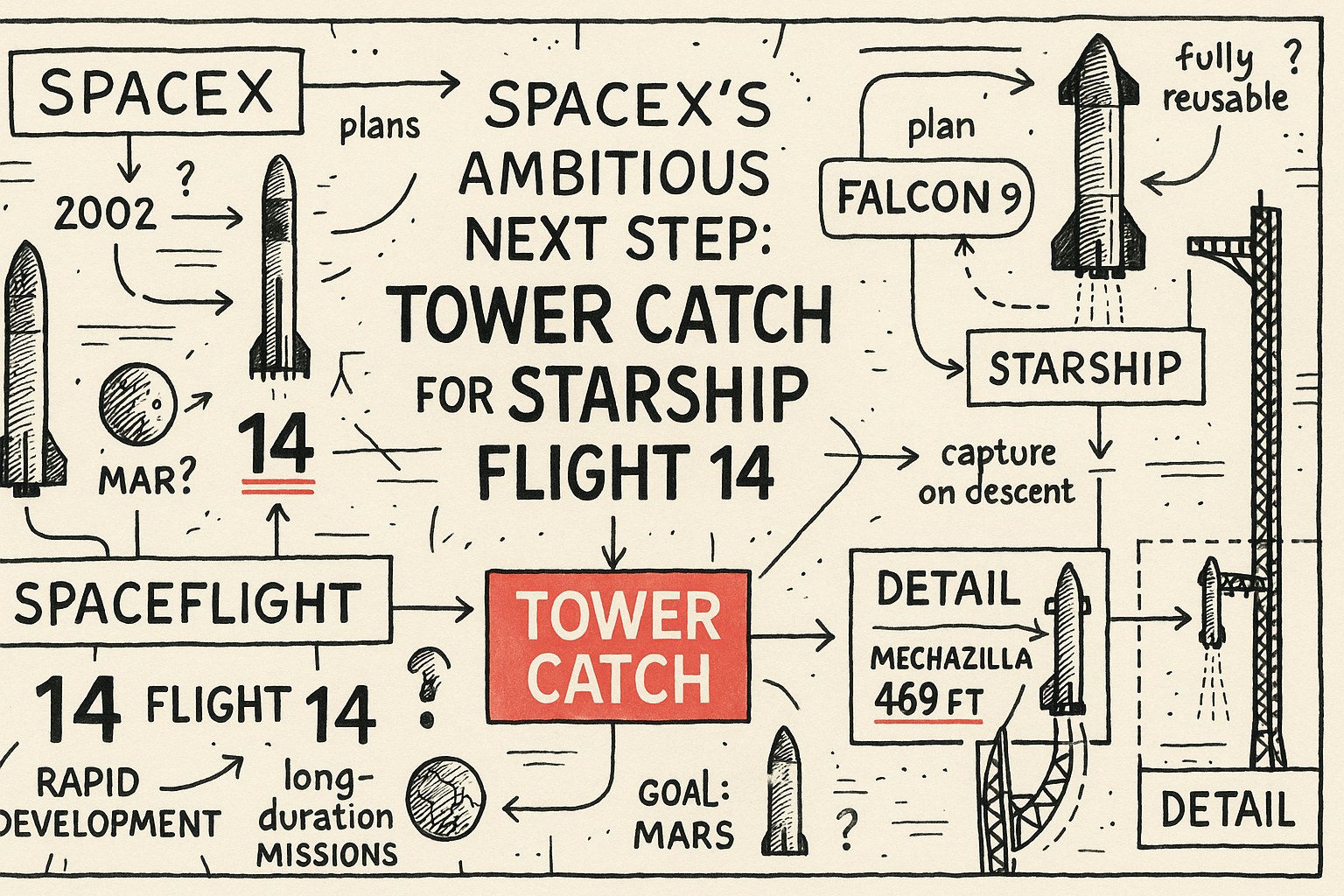
The Starship program itself is central to SpaceX's vision for space exploration. Designed to be a fully reusable spacecraft, Starship aims to carry both crew and cargo to a variety of destinations, including the Moon, Mars, and beyond. The ability to launch from multiple sites within the United States not only increases flexibility but also enhances the program's resilience against potential logistical or operational setbacks.
In conclusion, the developments at Cape Canaveral signal a crucial phase in SpaceX's mission to establish a more permanent and versatile presence in space. As the final touches are applied to the Gigabay and LC-39A, the anticipation for the first Starship launch from Florida builds, promising to be a significant event in the ongoing narrative of space exploration.