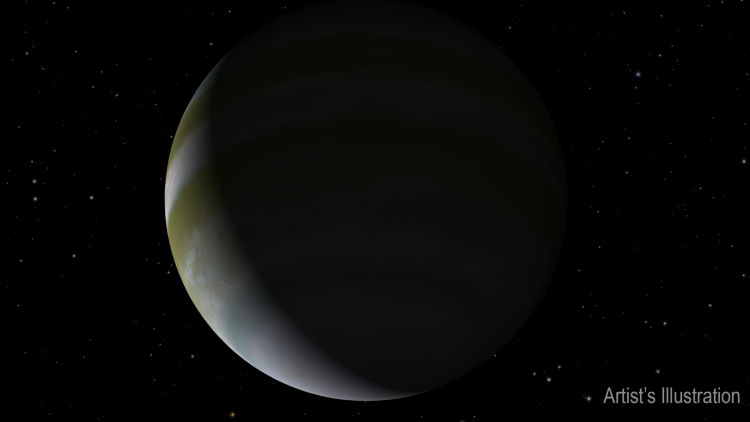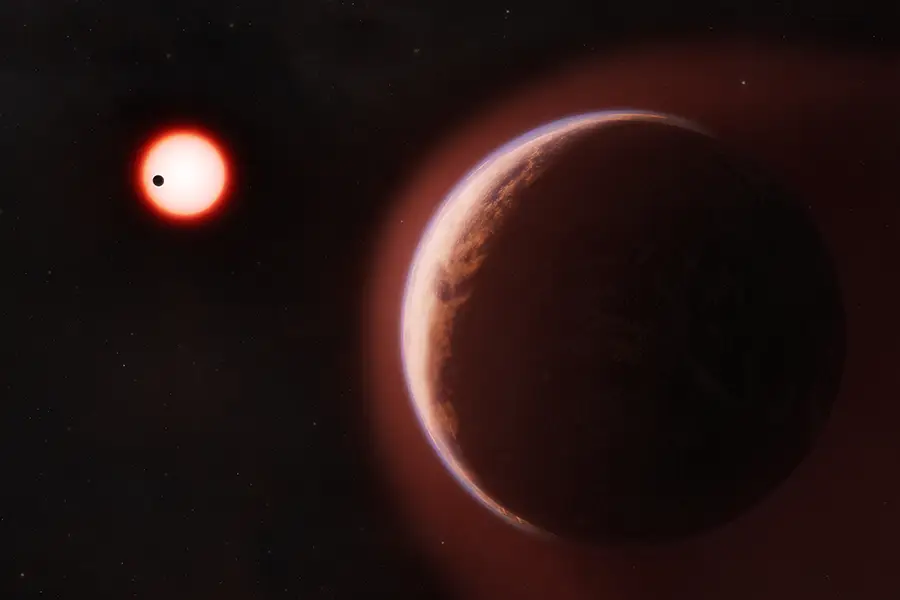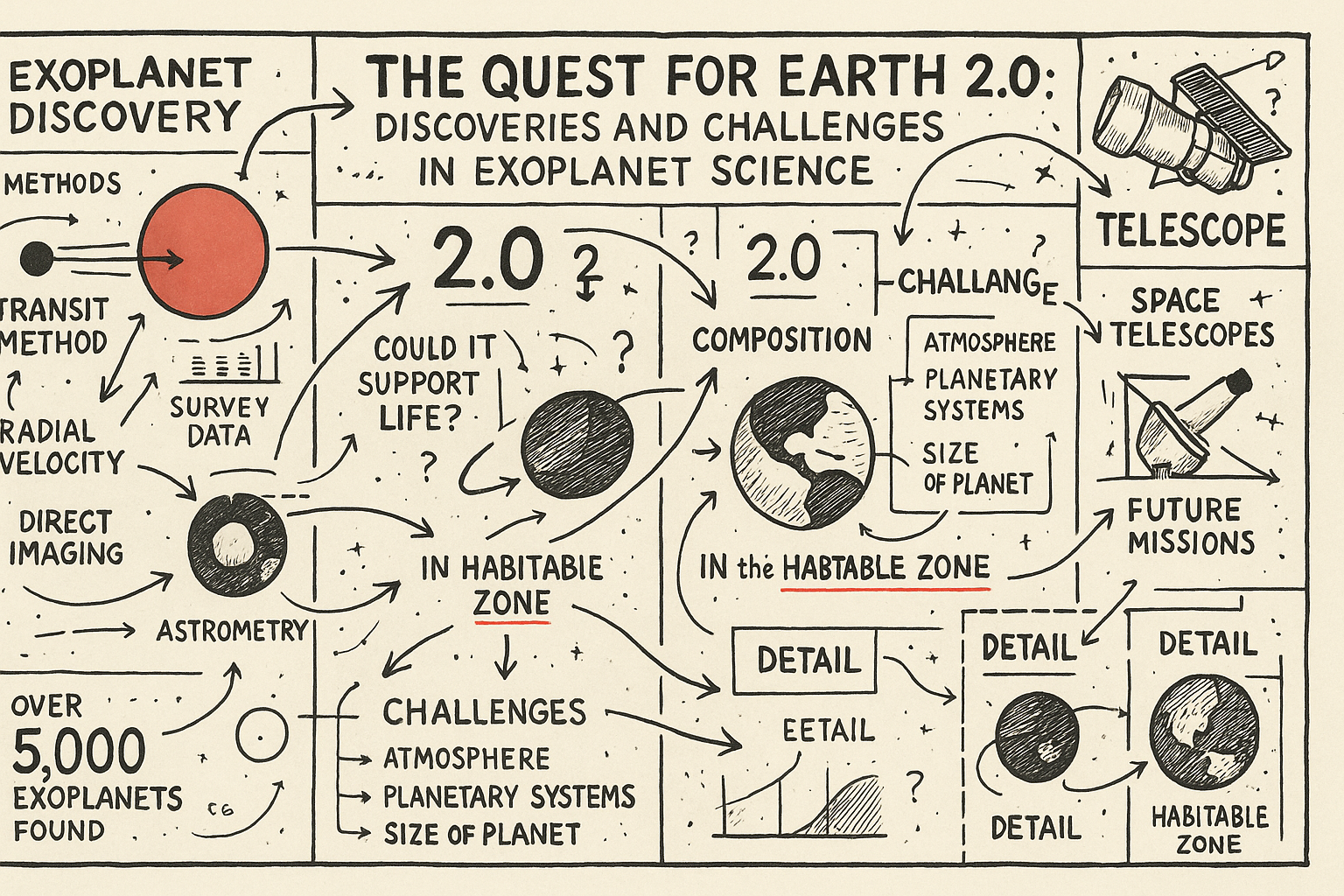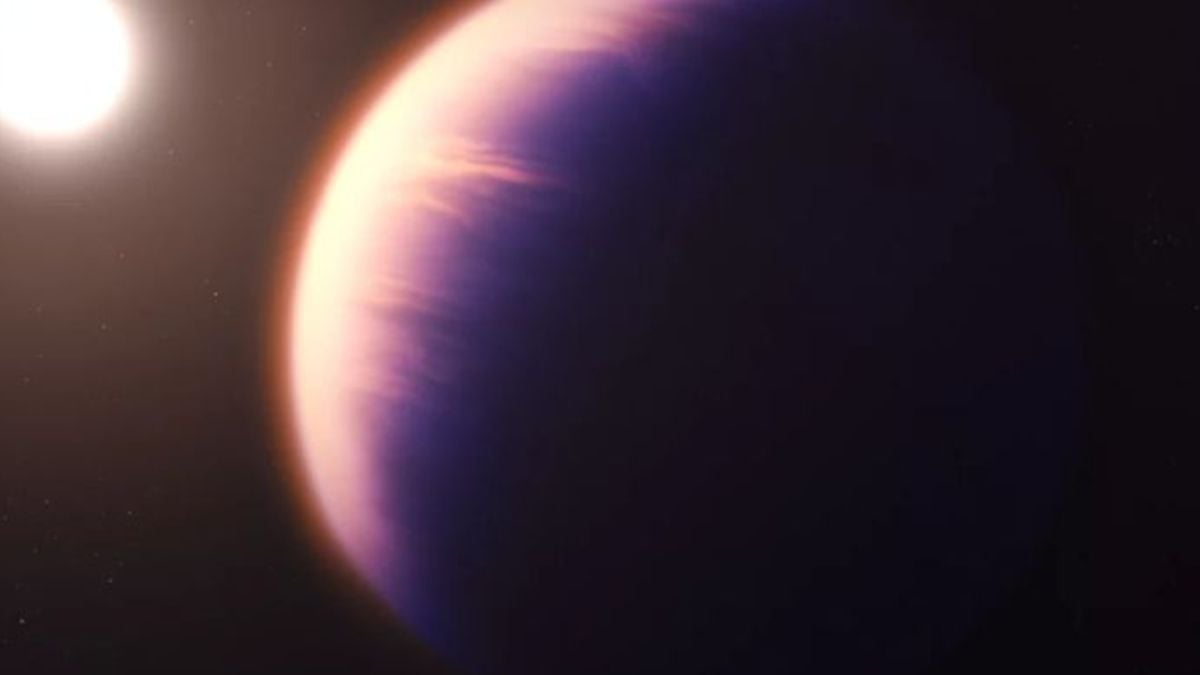
The quest for understanding the universe and the potential for extraterrestrial life received a significant boost with recent findings from the James Webb Space Telescope (JWST). A study using this state-of-the-art observatory has detected semi-heavy water in the atmosphere of the exoplanet WASP-39b, located nearly 700 light-years from Earth. This discovery not only enriches our understanding of this distant world but also opens new avenues for studying exoplanetary atmospheres and their potential for habitability.
The James Webb Space Telescope, a collaborative effort by NASA, the European Space Agency (ESA), and the Canadian Space Agency (CSA), is renowned for its unparalleled infrared sensitivity. It is capable of probing the universe in ways that were previously unimaginable, making it a pivotal tool in the search for extraterrestrial life. One of its primary missions is to study the atmospheres of exoplanets, with water being a critical element of interest since it is essential for life as we know it on Earth.
In this particular study, astronomers focused on WASP-39b, a well-studied exoplanet that orbits a Sun-like star. The goal was to model its atmospheric properties and detect water isotopologues—different variants of the H2O molecule. The team successfully identified semi-heavy water, or HDO, which is similar to a regular water molecule but with one hydrogen atom replaced by deuterium, an isotope of hydrogen that is heavier due to an additional neutron.
Understanding the presence and ratios of these isotopes provides crucial insights into the formation and evolutionary history of exoplanets. By determining the deuterium-to-hydrogen (D/H) ratio in WASP-39b's atmosphere, researchers can infer details about the planet's chemical environment and formation pathways. Although the precise implications of these findings are still being explored, the study presents a significant advancement in exoplanetary science.
WASP-39b has served as a 'benchmark exoplanet' for the JWST due to the wealth of data it has provided across various infrared wavelengths. This comprehensive dataset has allowed scientists to develop the most detailed transmission spectrum of any exoplanet to date. The transmission spectrum is a powerful tool that helps astronomers deduce the atmospheric composition and conditions of distant worlds. By comparing this with predefined atmospheric models, including factors like temperature, cloud cover, and molecular abundances, researchers can paint a more complete picture of these alien environments.
The implications of detecting semi-heavy water on WASP-39b extend beyond mere curiosity. It signifies the potential of JWST to unravel the complexities of exoplanetary atmospheres and offers a glimpse into the diverse chemical processes occurring on these distant worlds. Such findings are vital as they contribute to the broader understanding of planet formation and the potential habitability of exoplanets.
While the current study focuses on a gas giant that is unlikely to harbor life as we know it, the methodologies and technologies deployed here can be applied to other exoplanets, particularly those within habitable zones where liquid water may exist. This aligns with ongoing research efforts that aim to find Earth-like exoplanets with conditions suitable for life.
The detection of semi-heavy water on WASP-39b marks an exciting chapter in the exploration of the cosmos. It not only demonstrates the capabilities of the James Webb Space Telescope but also underscores the importance of continued investment in space exploration technologies. As we advance our understanding of the universe, each discovery brings us closer to answering fundamental questions about our place in the cosmos and the potential for life beyond our solar system.