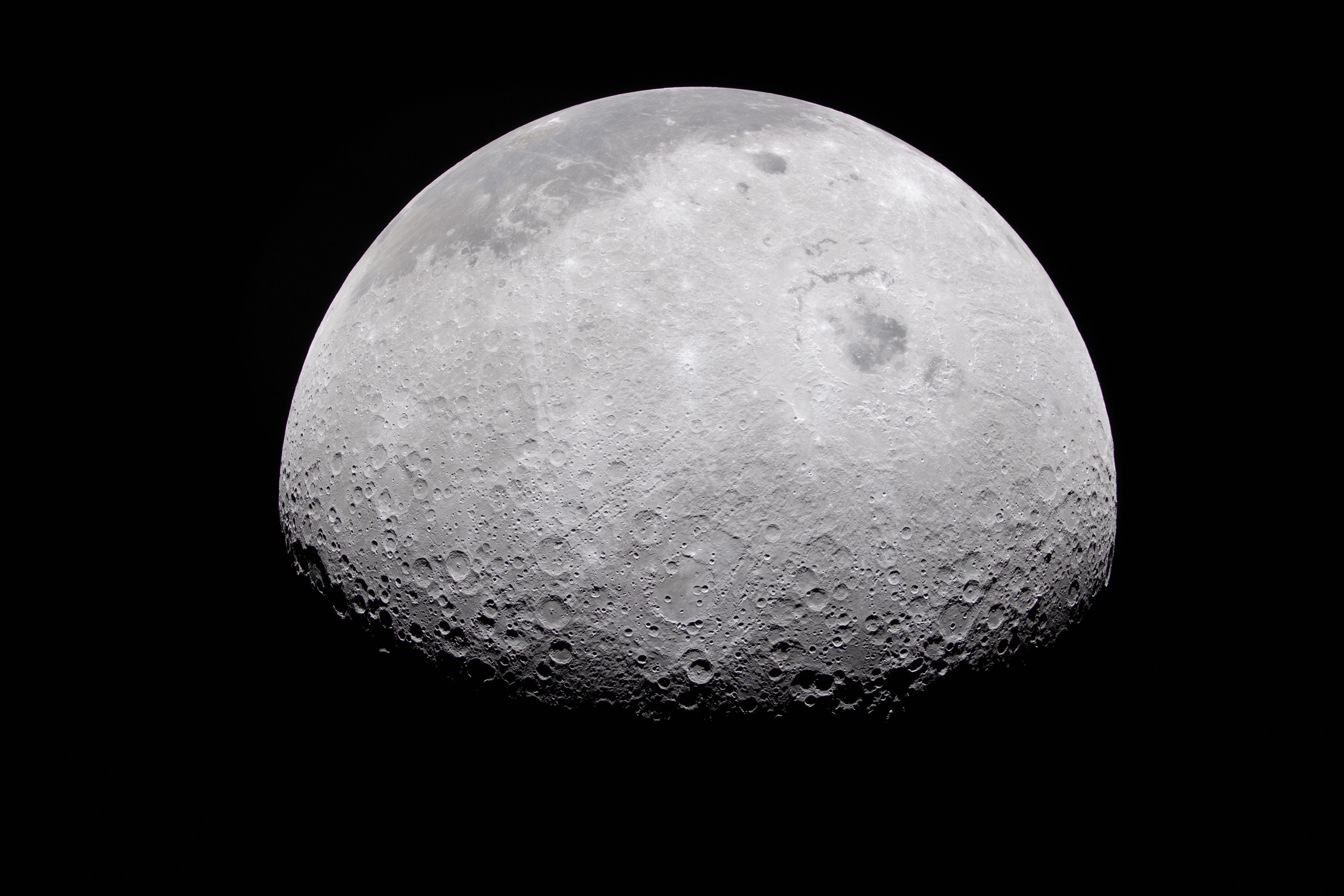
The impending impact of a SpaceX Falcon 9 upper stage on the Moon has garnered significant attention from both the scientific community and the public. Scheduled for August 5, 2026, this event will occur near the Einstein Crater, offering a rare opportunity for direct observation of an artificial lunar impact.
NASA has announced plans to utilize both ground-based telescopes and space-based assets to monitor the collision. This collaborative effort with SpaceX aims to collect valuable data that could enhance our understanding of lunar geology and impact dynamics.
In addition to observational efforts, NASA and SpaceX are actively exploring methods to prevent similar upper stage collisions in the future. This initiative underscores a growing recognition of the need for responsible space exploration and debris management.
The upcoming event has also captured public interest, with many wondering if the impact will be visible from Earth. While direct visibility is unlikely, the scientific data gathered will be invaluable for future missions and safety protocols.