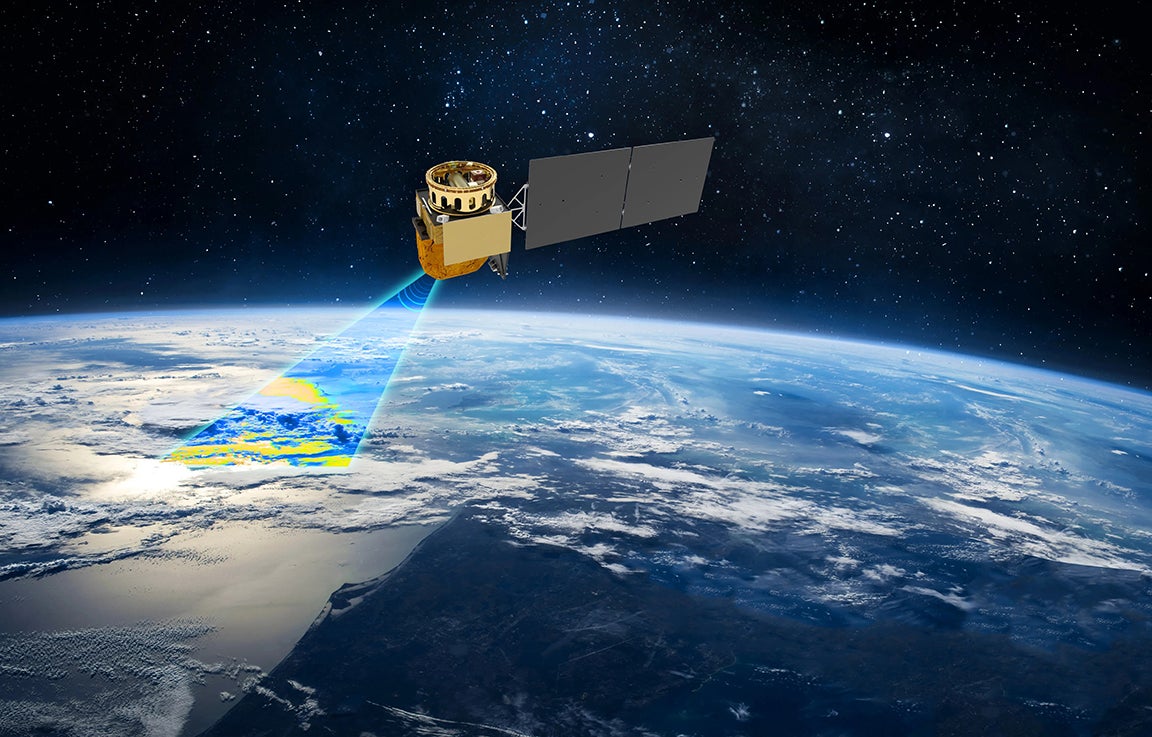
The recent announcement of Rwanda's partnership with Planet Labs marks a significant milestone in the country's journey towards leveraging satellite technology for comprehensive national development. This collaboration, unveiled earlier this week, aims to integrate Planet’s near-daily satellite data into various sectors, ranging from agriculture and urban planning to disaster management and education.
Planet Labs, a prominent player in satellite technology, is launching its first national program of this nature in Africa. The initiative will provide Rwanda with access to Planet's extensive archive of satellite imagery, allowing the government and associated organizations to utilize this data for strategic planning and operational improvements.
Empowering Agriculture and Food Security
One of the primary objectives of this collaboration is to enhance agriculture and food security in Rwanda. With a population of approximately 15 million people, the need for sustainable agricultural practices is paramount. Satellite data will enable the monitoring of crop health, optimization of resource allocation, and prediction of agricultural yields, thereby supporting food security initiatives.
Urban Planning and Disaster Management
Rwanda's urban planning efforts stand to benefit significantly from this partnership. By providing detailed satellite imagery, Planet Labs will aid in refining urban zoning and planning processes, ensuring that urban development aligns with national infrastructure goals. Additionally, the data will be instrumental in disaster planning, response, and recovery efforts, enabling swift action in the face of natural calamities.
Advancing Education and Research
The collaboration is also poised to transform the educational landscape in Rwanda. Public universities will have access to Planet’s satellite data, facilitating the training of undergraduate students in Earth Observation and supporting advanced research endeavors. This initiative underscores the role of technology in shaping future educational programs and equipping students with the skills needed to navigate a technologically advanced world.
Andrew Zolli, Chief Impact Officer at Planet, highlighted Rwanda's leadership in African innovation, stating, “Rwanda is a true leader in African innovation, continually demonstrating how technology can drive national progress. This program is a blueprint for how Planet’s daily satellite data can directly support multiple national goals, including improving disaster planning, shaping education programs, protecting natural resources and more.”
Historical Context and Future Implications
Rwanda's venture into satellite technology is part of a broader trend across Africa, where nations are increasingly investing in space technology to address local challenges and foster economic growth. The use of satellite data in national development is not unprecedented, but Rwanda's comprehensive approach sets a new standard for how these technologies can be integrated into various facets of national governance.
Looking to the future, the success of this program could serve as a model for other African countries seeking to harness satellite technology for sustainable development. As Rwanda continues to innovate and integrate cutting-edge technologies, its collaboration with Planet Labs could pave the way for further technological advancements and international partnerships in the region.