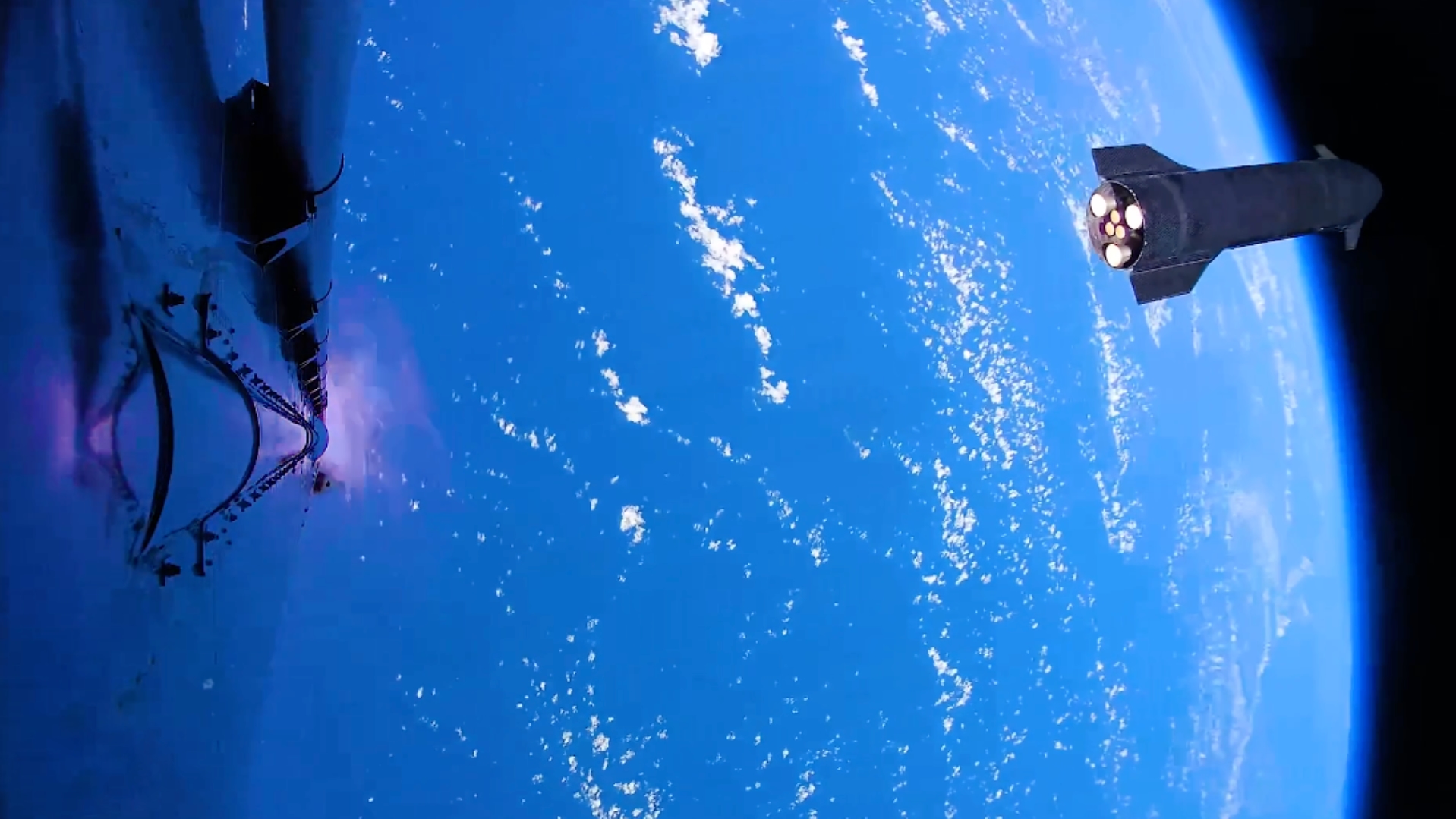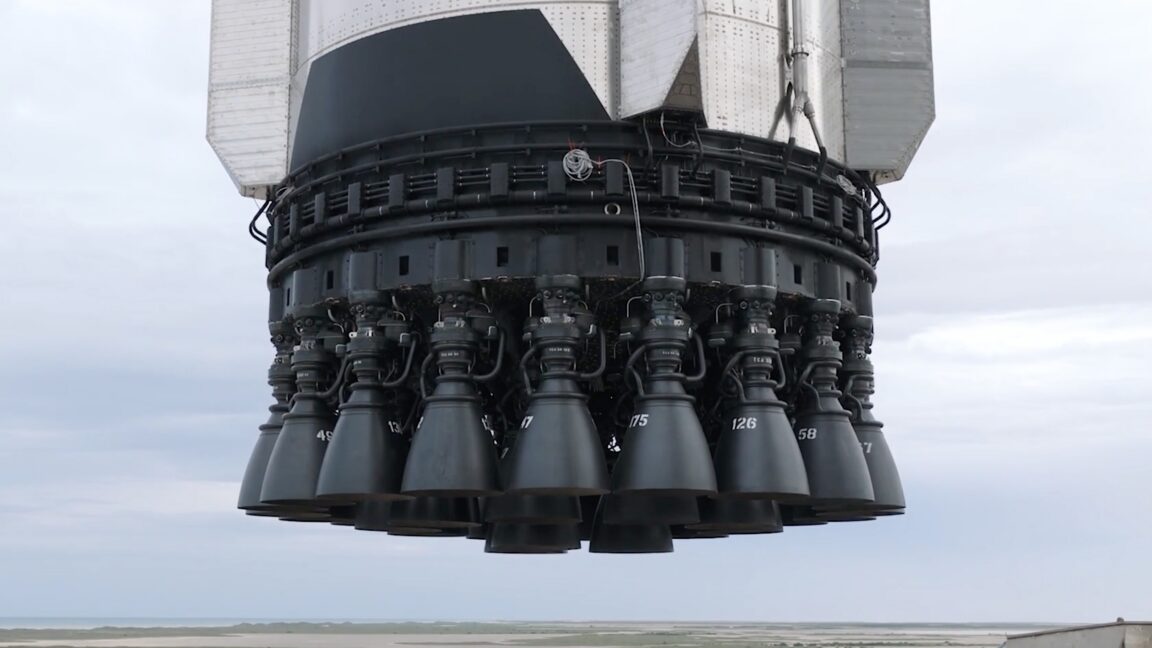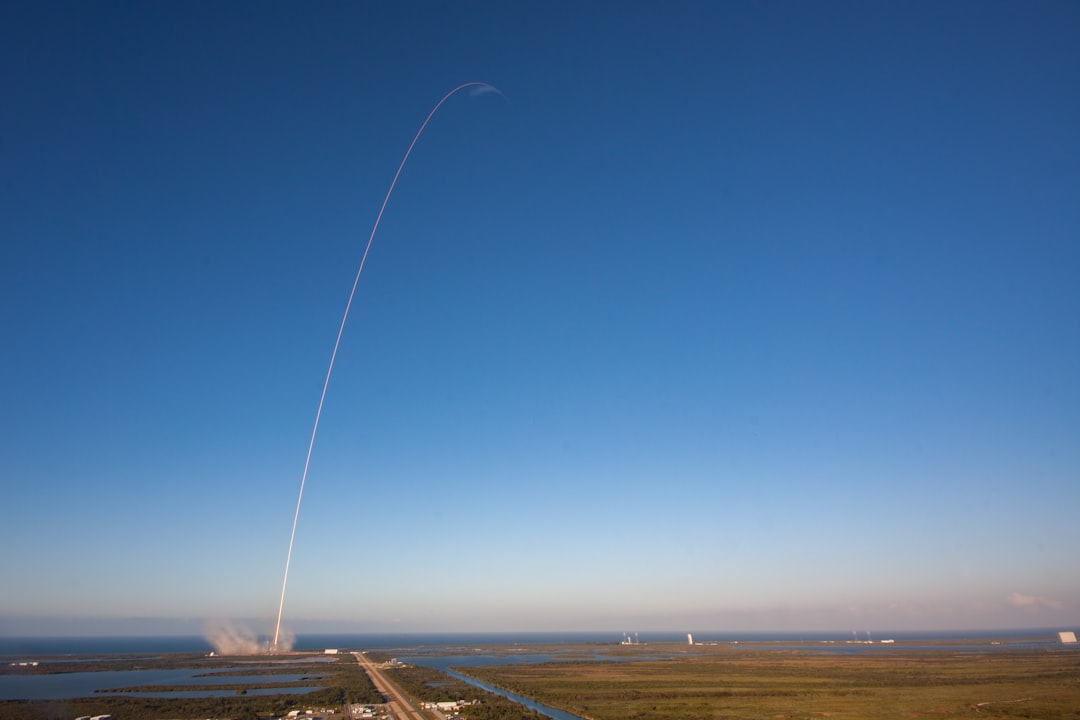
The tranquil waters off the coast of Christmas Island recently played host to an unexpected visitor: a SpaceX rocket. This surprise appearance has captivated both the local community and the broader space exploration enthusiast circles. The rocket, measuring an impressive 52 meters in length, landed in the Indian Ocean following a test flight originating from Texas on July 24. Its presence has sparked curiosity and excitement among island residents, turning an ordinary day into an extraordinary event.
David Watchorn, chair of the Christmas Island Tourism Association, was among the first to observe the unusual sight. Initially mistaking the object for a ship, Watchorn soon realized he was witnessing something far more remarkable—a space rocket being towed through the ocean. In an interview with the BBC, he expressed his astonishment, noting, "It's really incredible to think about what it's been through. The more and more you look at it, the more fascinating it's becoming." This sentiment echoes the broader reaction among locals, some of whom have taken to the water in their boats to get a closer look at the impressive piece of space engineering.
The rocket's unplanned descent and subsequent recovery highlight the challenges and unpredictability inherent in space exploration and testing. SpaceX, renowned for its ambitious projects and frequent launches, continues to push the boundaries of space travel. This particular test flight is part of the company's ongoing efforts to refine its technology and gather data crucial for future missions.
SpaceX, founded by Elon Musk, has been at the forefront of private space exploration, consistently working towards making space travel more affordable and accessible. The company's efforts have led to significant advancements, not only in launching satellites and cargo supplies to the International Space Station but also in developing reusable rocket technology. This latest test exemplifies the iterative process that SpaceX employs to perfect its designs and ensure the reliability of its spacecraft.
The appearance of the rocket near Christmas Island serves as a tangible reminder of the progress being made in the field of aerospace. It offers a unique opportunity for those on the island to witness firsthand the physical realities of space travel—a subject often confined to the realms of theory and distant observation. For many, the chance to see and touch a piece of a rocket that has been to the edge of space and back is both inspiring and educational.
While the sight of a SpaceX rocket off the coast of Christmas Island may have been unexpected, it underscores the global nature of modern space endeavors. As companies like SpaceX continue to test and refine their technologies, such instances might become more common, offering communities around the world a chance to engage with the wonders of space exploration up close.
In the broader context, this event highlights the ever-growing footprint of private companies in the space sector, a domain once dominated exclusively by national governments and agencies like NASA and ESA. The implications of this shift are profound, potentially leading to faster advancements in technology, increased collaboration across borders, and a new era of space exploration that is more inclusive and innovative.
As the rocket is towed away and the excitement on Christmas Island begins to settle, the broader aerospace community is likely to analyze the data gathered from this test flight. The findings will contribute to the ongoing development of SpaceX's technologies, and potentially, to the future landscape of space exploration. For now, the residents of Christmas Island have been given a rare glimpse into the cutting-edge world of space travel, a reminder of the immense possibilities that lie beyond our planet.