The latest developments in space technology are painting a remarkable picture of what the future holds for space exploration and commercial activities. Recent advancements, ranging from satellite servicing missions to innovative diagnostics in space, are reshaping our understanding of space capabilities and their implications for the industry.
Revitalizing Satellites: A Game-Changer
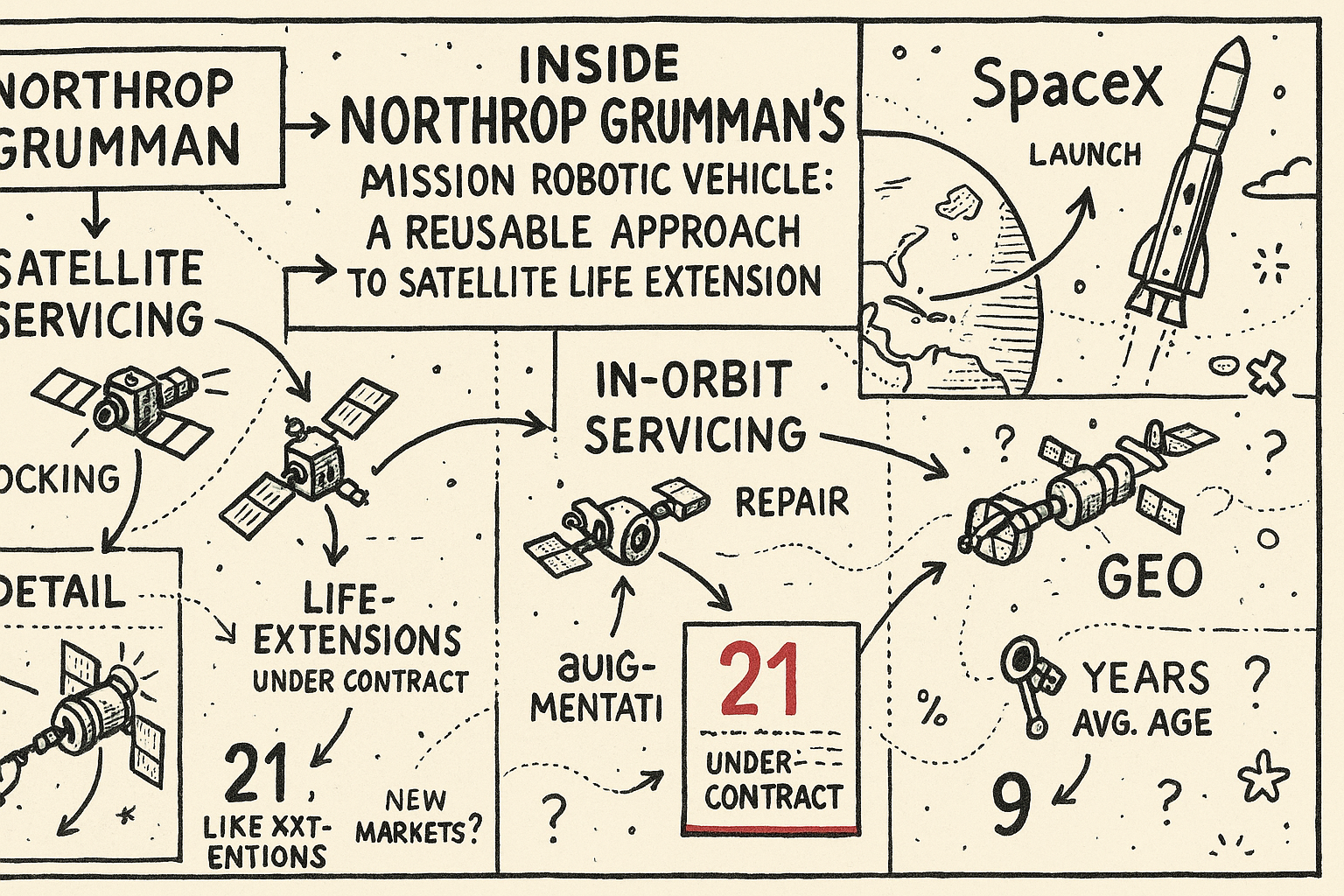
The launch of Northrop Grumman's Mission Robotic Vehicle (MRV) aboard a SpaceX Falcon 9 rocket marks a significant milestone in satellite servicing (Sources: 1, 2, 8). This mission is part of a broader trend toward extending the operational life of existing satellites, which are often retired due to fuel depletion rather than hardware failure. The MRV's mission to attach life-extending jetpacks to satellites is both an economic and environmental boon, reducing the need for new satellite production and launch.
This approach is particularly innovative because it leverages on-orbit servicing, a concept that has long been theorized but only recently realized. The implications are vast: companies can maintain satellite constellations more sustainably, and the space debris problem can be mitigated by reducing the number of defunct satellites left in orbit.
Space Exploration and Technological Synergy
While satellite servicing is making waves in commercial space, other technological advancements are driving exploration. The European Space Agency's (ESA) contract with EMXYS for the Don Quijote lander (Source: 5) highlights Europe's ambitions in asteroid exploration, targeting the asteroid Apophis. This mission reflects a growing global interest in asteroid mining and planetary defense, both key components of future space exploration strategies.
NASA's SkyFall mission to Mars, featuring a thermal shield developed by Firefly Aerospace (Source: 3), is another testament to the synergy between commercial and governmental entities. The integration of commercial innovation into government missions suggests a future where public-private partnerships are essential to advancing human presence in space.
Innovating Health and Safety in Space
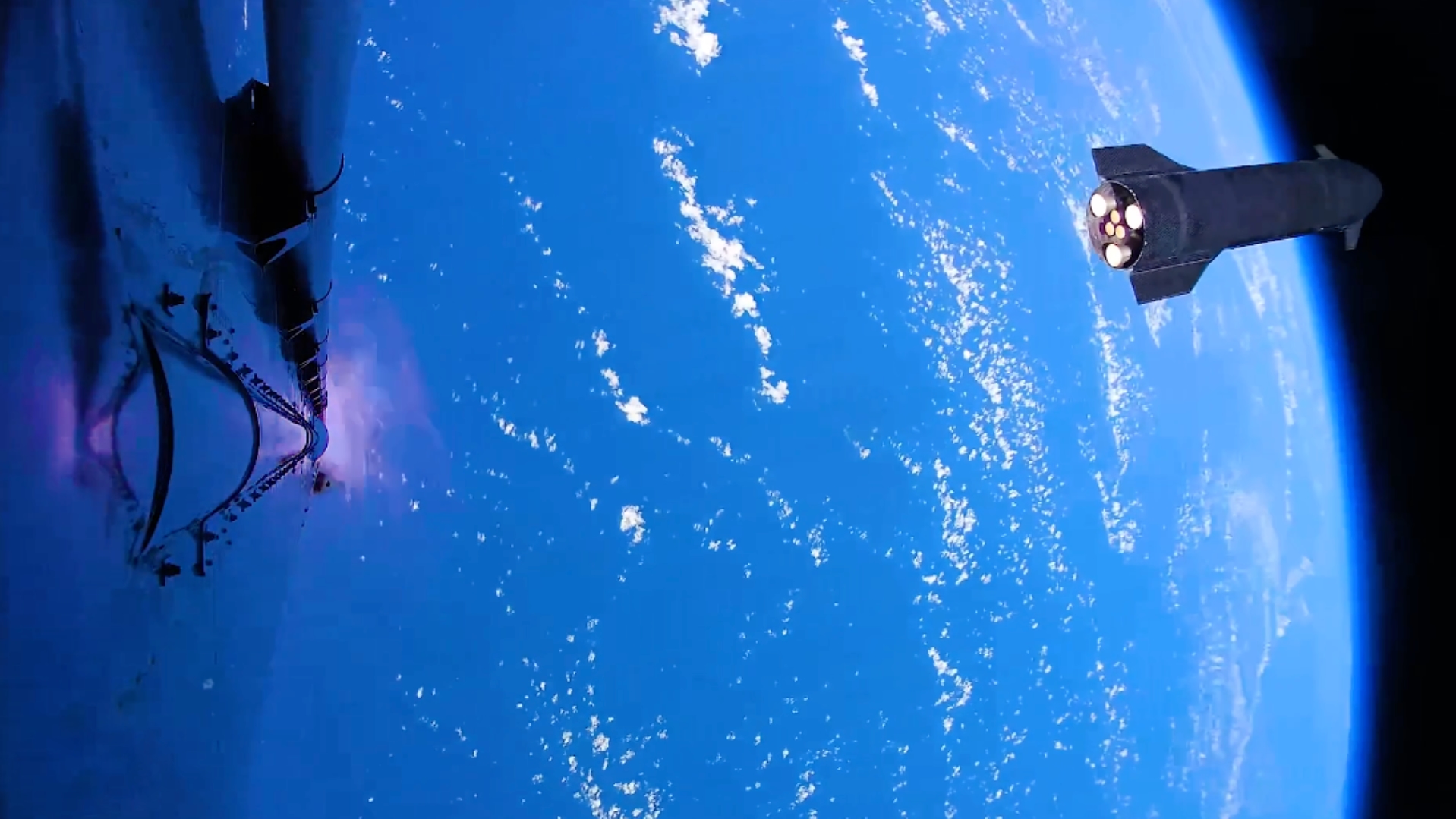
On the frontier of space health and safety, SpaceX's pioneering radiography tests in orbit (Source: 6) represent a crucial leap forward. The ability to perform X-rays in space not only aids in diagnosing astronaut health issues but also ensures the integrity of spacecraft and equipment. This capability is indispensable for long-duration missions, such as those planned for Mars or deep-space exploration, where immediate medical return to Earth is impossible.
China's Leap in Reusable Rockets
China's successful recovery of the first stage of the Long March 10B rocket (Source: 4) underscores a global shift toward reusable rocket technology. This achievement places China alongside other spacefaring nations that are investing in reusable systems to reduce costs and increase launch frequency. Such advancements are crucial as they make space more accessible and foster a burgeoning space economy.
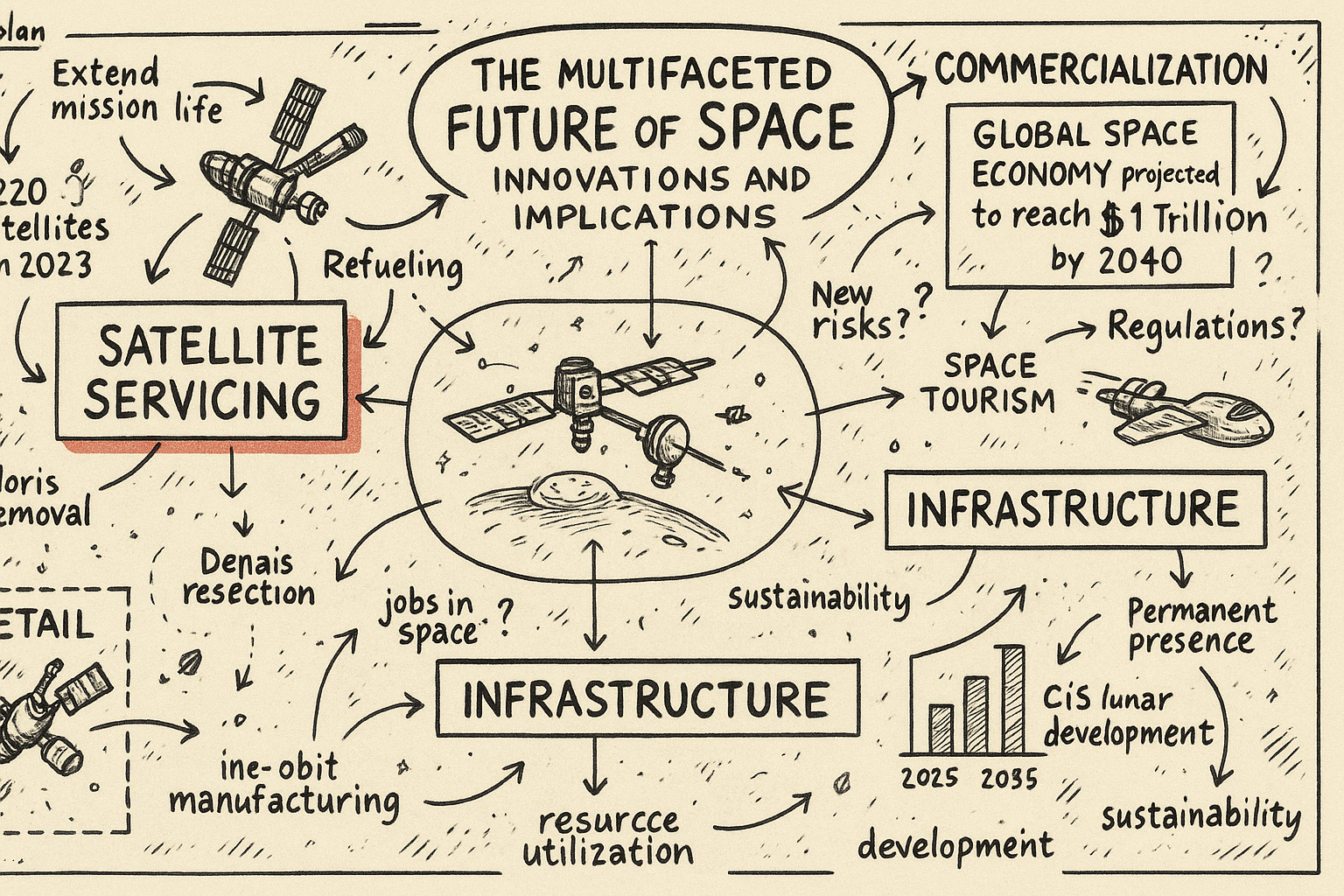
The convergence of these technologies suggests a future where space operations are more sustainable, cost-effective, and integrated across international and commercial lines. The ability to extend the life of satellites, engage in planetary exploration, and ensure astronaut safety are no longer disparate goals but interconnected elements of the next space age.
The Surprising InsightPerhaps the most counterintuitive insight from this analysis is the realization that as space becomes more crowded with satellites and missions, the focus is shifting from merely launching new assets to enhancing and sustaining existing ones. This shift signals a maturation of the space industry, where sustainability and resource optimization are as crucial as innovation and exploration.