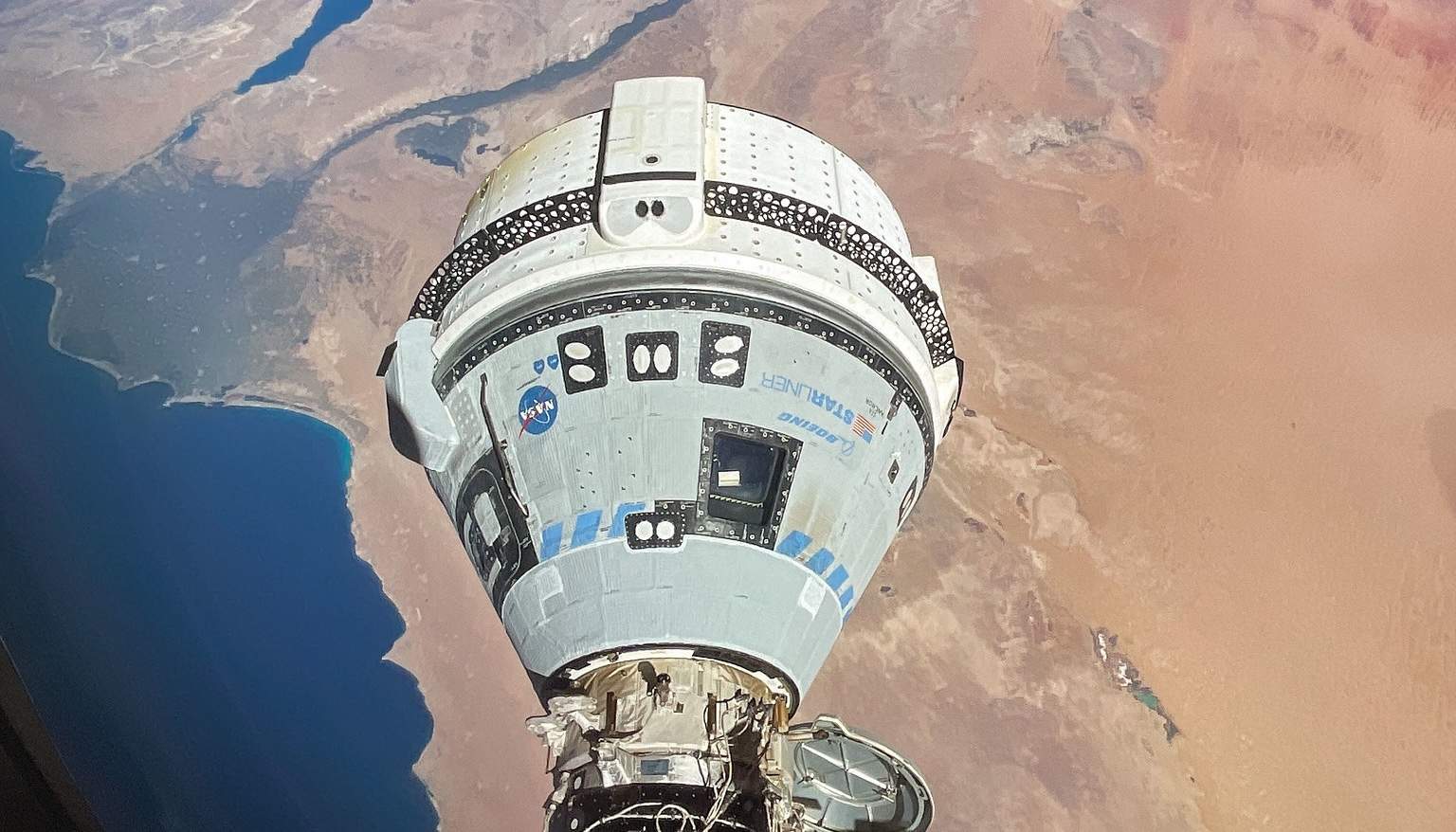
NASA and Boeing set uncrewed Starliner test for Dec–Jan; crewed flights postponed to 2028
NASA and Boeing announced on September 28–29, 2026 that the next CST‑100 Starliner mission will fly without crew in the December 2026–January 2027 time frame to validate a suite of hardware and software fixes after propulsion failures during Starliner’s troubled 2024 Crew Flight Test (CFT). Agency and company officials said they expect to wait at least a year of post‑flight evaluation before returning astronauts on Starliner, targeting a crewed mission in 2028.
The uncrewed flight — described in NASA’s news release and reported by Spaceflight Now, Phys.org, SpacePolicyOnline and AstroSpace — is intended to verify redesigned propulsion system valves, more robust subsystems and other modifications that followed a Program Investigation Team review of the 2024 mishap. NASA Administrator Jared Isaacman and Dana Weigel, manager of NASA’s Low Earth Orbit Program, emphasized that the December–January mission will provide flight data needed to confirm remediation efforts. If that test is successful, NASA and Boeing plan to move toward a piloted Starliner flight in mid‑2028.
Reports specify that veteran NASA astronaut Warren “Woody” Hoburg has been named commander of the Starliner‑2 mission; other crew members for the eventual crewed flight have not yet been named publicly. Photographs accompanying the briefings show Starliner hardware in Boeing’s Kennedy Space Center facility as teams prepare the spacecraft and test articles.
The 2024 CFT left two U.S. astronauts, Suni Williams and Butch Wilmore, aboard the International Space Station after Starliner was judged unfit for their return following multiple reaction control system and propulsion anomalies during approach and docking. NASA classified that incident as a “Type A” mishap in its assessment — the same category assigned in history to the space shuttle accidents Challenger and Columbia — and required significant corrective actions. The CFT capsule later landed uncrewed in the New Mexico desert while Williams and Wilmore returned to Earth on a SpaceX Crew Dragon months later.
NASA and Boeing stressed that restoring Starliner to operational status is important for sustaining two independent U.S. crew transportation systems. Dana Weigel noted that the Commercial Crew Program’s original goal was to maintain two providers to ensure redundancy for access to low Earth orbit. Multiple reports cite NASA concerns that SpaceX has publicly signaled an eventual phase‑out of Falcon 9 and Crew Dragon production; maintaining Starliner capability is therefore seen as important for ISS support through its planned retirement around 2030 and for future commercial space station operations in the 2030s.
In addition to the uncrewed December–January test and the planned 2028 crewed return, reporting from AstroSpace and other outlets indicates NASA intends to purchase additional Starliner missions and to work with United Launch Alliance on certifying the Vulcan rocket to carry astronauts. That step would decouple Starliner from a single launcher option and provide an alternative to current Crew Dragon launches on Falcon 9.
SpacePolicyOnline highlighted the schedule shift in the broader historical context of the Commercial Crew Program: NASA awarded fixed‑price contracts to Boeing and SpaceX in 2014 to restore U.S. crew access after the shuttle retirement. SpaceX’s Crew Dragon remains the only operational U.S. crew ferry as of late 2026, having flown numerous missions since 2020, while Starliner has carried only one crewed mission to the ISS in 2024 and has been grounded pending verification of fixes.
NASA framed the near‑term uncrewed flight as a data‑gathering mission. Jared Isaacman told reporters the agency will use information from the December–January uncrewed flight to continue implementing remaining recommendations from the Program Investigation Team before committing to a crewed Starliner mission in 2028. Phys.org’s coverage quotes Isaacman and underscores the agency’s priority to “validate the recent remediation effort” in orbit before restoring crewed operations.
Looking ahead, the plan aims to reestablish Boeing as an alternate crew carrier for the ISS and future commercial destinations. Officials say that re‑certifying Starliner, qualifying a new launch vehicle such as Vulcan for human flights, and purchasing additional missions are steps toward ensuring a resilient U.S. human spaceflight architecture. However, the timetable depends on the uncrewed flight’s outcome and the subsequent engineering reviews: the crewed return is explicitly conditional, and agency statements make clear that flight readiness will be determined by test results rather than calendar targets.
For now, the December 2026–January 2027 uncrewed Starliner mission represents the immediate practical test of Boeing’s corrective work since 2024 and a hinge point for NASA’s effort to restore a two‑provider Commercial Crew capability.
Surprising fact
NASA has designated the 2024 Starliner mishap as a “Type A” accident — the same formal classification used for the Challenger and Columbia shuttle disasters.