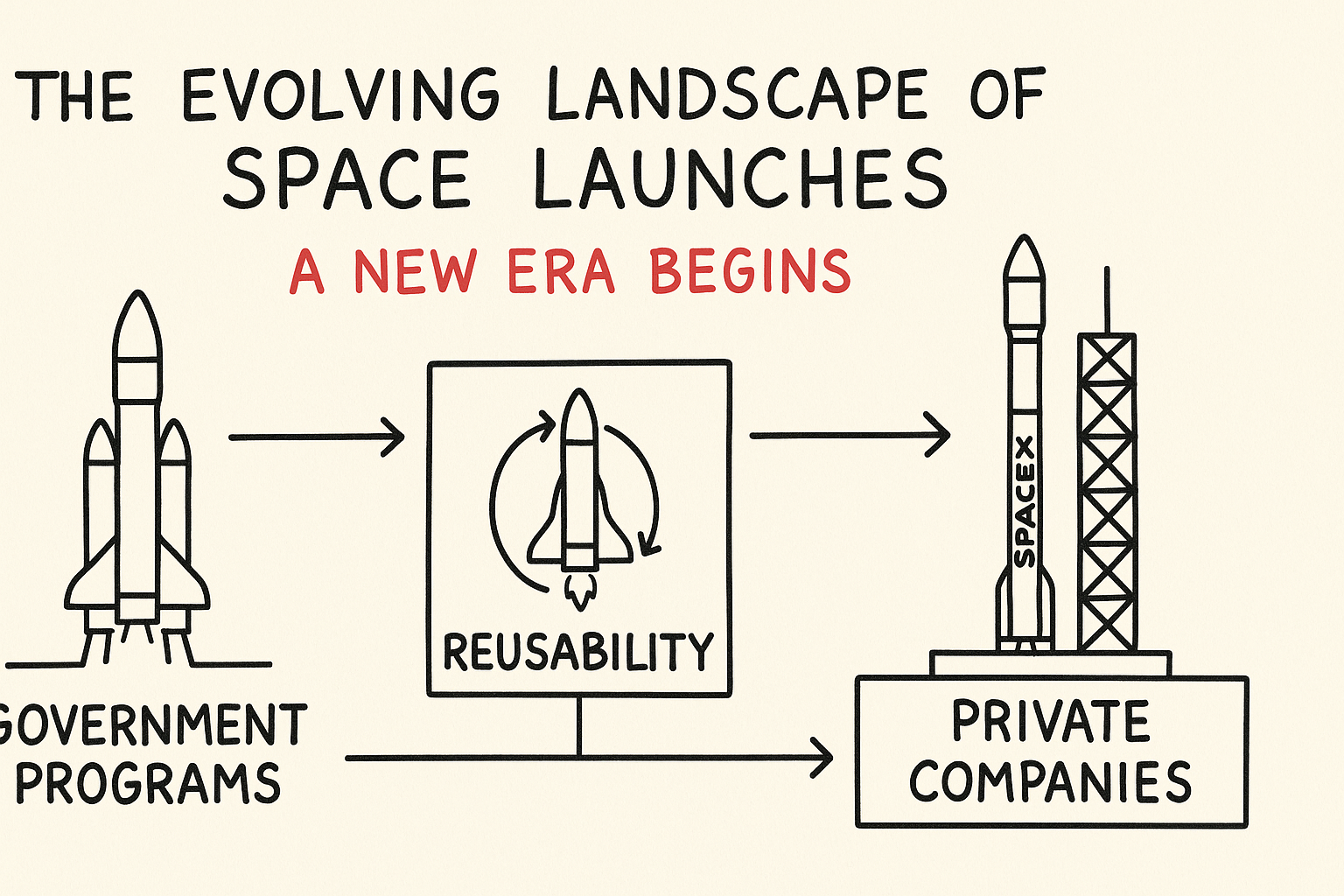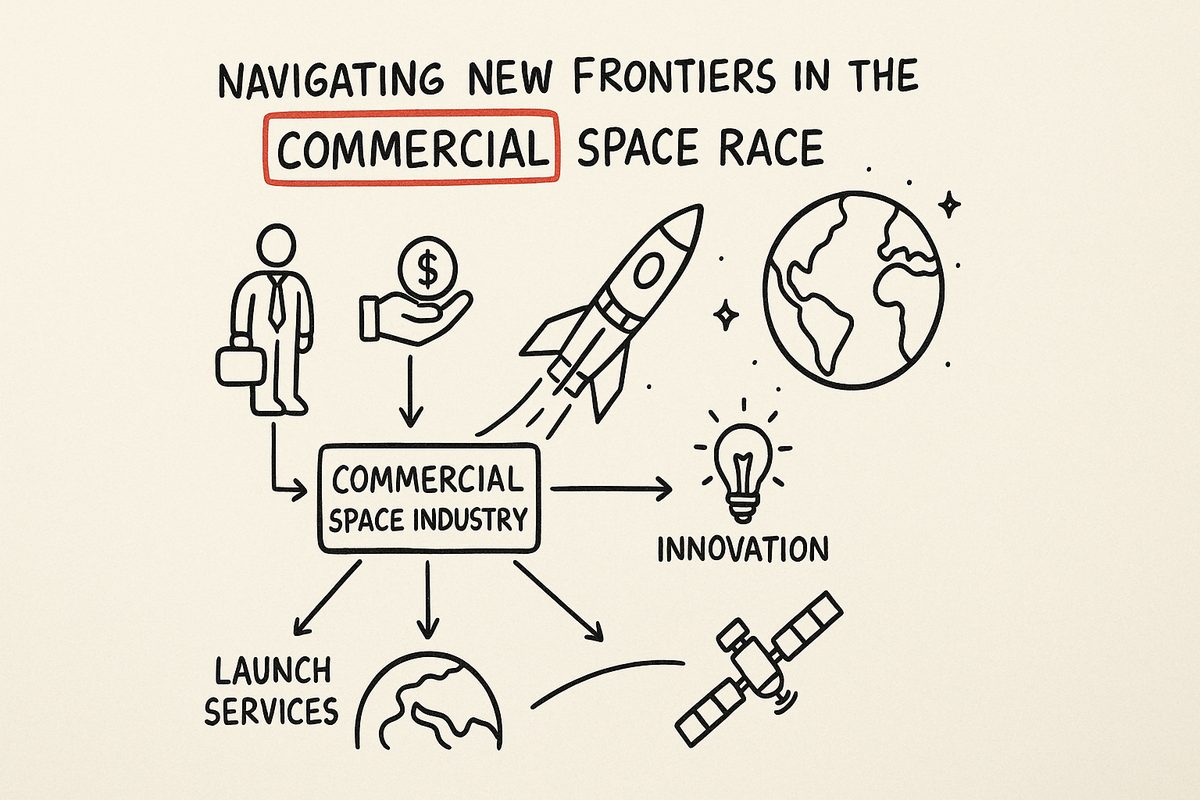
The commercial space industry is witnessing a paradigm shift characterized by ambitious ventures, strategic partnerships, and innovative technologies. Recent developments underscore this evolution, illustrating a landscape where private companies are not just participating but leading the charge in space exploration and infrastructure.
One of the pivotal developments is the decision by rideshare providers SEOPS and Exolaunch to secure dedicated SpaceX Falcon 9 missions. This move signifies a growing trend where companies are not merely content with secondary payload opportunities but are seeking greater control and reliability by booking entire missions. This shift could herald a new era in satellite deployment efficiency, potentially lowering costs and increasing access to space for smaller entities.
SpaceX continues to be at the forefront, recently securing a substantial $2.29 billion contract with the U.S. Space Force to develop a military data network. This contract underlines the increasing reliance on private entities for critical national infrastructure, a trend that blurs traditional lines between commercial and governmental space activities. Simultaneously, SpaceX's Starlink has won a contract with American Airlines to install its satellite internet service on over 500 aircraft, reinforcing its position ahead of a much-anticipated IPO.
The Expanding Horizons of Commercial Space
While the focus has traditionally been on Earth-centric benefits, discussions are increasingly turning to outer realms. The notion of using Mars as a stepping stone to destinations like Titan is gaining traction, prompting questions about the future trajectory of human space exploration. This perspective is not only about pushing boundaries but also about leveraging commercial capabilities for interplanetary missions.
Moreover, companies like Spire Global are capitalizing on the commercial boom by expanding their manufacturing capabilities. With a new facility in Munich, Spire aims to produce up to 100 small satellites annually. This expansion underscores the robust demand for space-based data and services, driven by a myriad of applications from Earth observation to telecommunications.
IoT and the Future of Connectivity
Open Cosmos' ambitious plan to deploy a broadband constellation underscores the transformative potential of IoT in space. Aiming to reduce reliance on traditional undersea cables, their 'ConnectedCosmos' initiative highlights the strategic importance of satellite networks in global communications infrastructure. This initiative is poised to redefine connectivity, making it more resilient and accessible.
Adding to this technological tapestry, DARPA's upcoming launch of a robotic deep-space repair satellite marks a milestone in satellite maintenance. As spacecraft operate further from Earth, the ability to repair and maintain them autonomously becomes crucial, potentially extending their operational lifespans and enhancing sustainability in space operations.
Implications and Future Trajectories
The current trajectory of commercial space activities suggests a future where space is more democratized and accessible. As companies like SpaceX and Spire continue to innovate, we can expect an acceleration in technological advancements and an expansion of commercial opportunities.
However, this growth also necessitates careful consideration of regulatory frameworks and international cooperation to ensure sustainable and peaceful use of space. As commercial endeavors expand beyond Earth, the need for governance structures that can accommodate these new paradigms becomes ever more pressing.
ConclusionThe commercial space sector is not just an ancillary to governmental space missions; it is rapidly becoming the vanguard of space exploration and infrastructure development. As companies pursue bold ambitions, the synergy between commercial innovation and exploration will undoubtedly shape the future of our presence in space.